Harvard University Files Lawsuit Against Trump Administration Over Funding Freeze
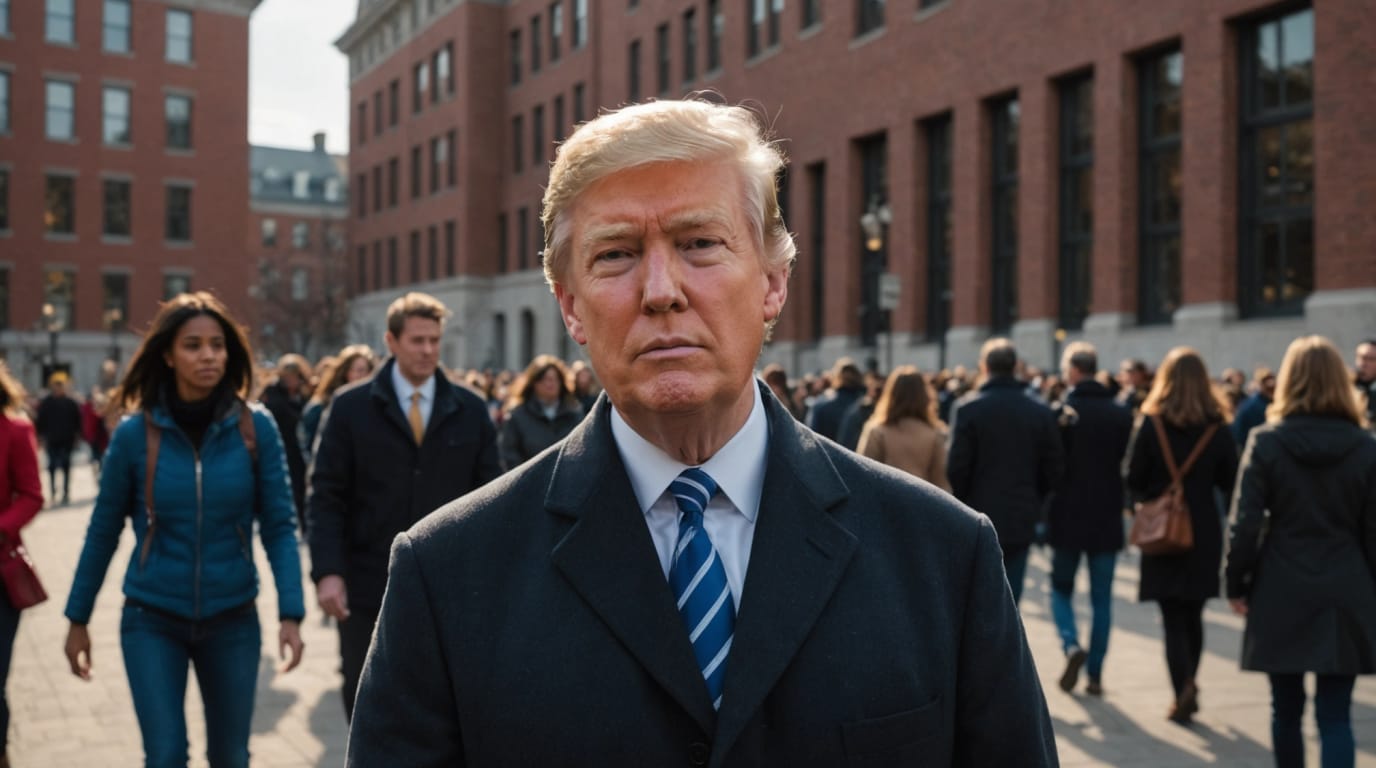
Harvard University has escalated its conflict with the Trump administration by filing a lawsuit over the government's decision to freeze billions of dollars in federal funding. The lawsuit, announced Monday, comes after the administration accused the university of failing to adequately address antisemitism on campus and demanded sweeping changes to its policies and operations.
The Trump administration's actions have sparked widespread condemnation from academics and free speech advocates, who argue that the government is attempting to exert undue influence over universities and suppress dissenting voices. The lawsuit alleges that the administration's demands violate the First Amendment and the Civil Rights Act, and that the funding freeze would have a devastating impact on the university's research and educational programs.
Demands for Policy Changes
The conflict between Harvard and the Trump administration began earlier this month when the Department of Education issued a letter outlining a series of policy demands. These demands included eliminating the university's diversity, equity, and inclusion (DEI) programs, banning masks at campus protests, and overhauling its admissions policies. The administration argued that these changes were necessary to combat antisemitism and ensure that all students and faculty are treated fairly.
Harvard officials responded by saying they would not comply with the demands, arguing that they infringed upon the university's academic freedom and autonomy. In a letter to the Harvard community, University President Alan Garber stated that the university would "not surrender its independence or relinquish its constitutional rights."
Funding at Stake
The Trump administration's decision to freeze funding puts more than $2.2 billion in grants and $60 million in contracts at risk. These funds support a wide range of research projects, educational programs, and student services. Harvard officials have warned that the funding freeze would force the university to reduce staff, cut programs, and delay critical research.
The lawsuit argues that the administration's actions are not a legitimate attempt to address antisemitism, but rather an effort to impose its political views on the university. The plaintiffs argue that the demands are "sweeping yet indeterminate" and do not target the causes of any specific instances of noncompliance with federal law.
Broader Implications for Higher Education
The lawsuit has broader implications for higher education, as it raises questions about the extent to which the federal government can regulate universities and influence their policies. Many academics fear that the Trump administration's actions could set a dangerous precedent, emboldening the government to interfere with academic freedom and suppress dissenting voices on college campuses.
Several other universities have expressed support for Harvard and have joined the fight against the Trump administration's policies. A group of universities sued the Department of Energy over cuts to federal research funding, arguing that the cuts would devastate scientific research and undermine the nation's status as a global leader in innovation.
Protests and Legal Challenges
The Trump administration's actions have sparked protests and legal challenges across the country. Students, faculty, and alumni have organized rallies and demonstrations to show their support for Harvard and to protest the administration's policies. The American Association of University Professors (AAUP) has also filed a lawsuit challenging the funding cuts, arguing that the administration failed to follow proper procedures before implementing the freeze.
The AAUP lawsuit argues that the administration did not provide adequate notice of the cuts to either the university or Congress, as required under Title VI of the Civil Rights Act. The lawsuit also alleges that the administration's demands are overly broad and violate the university's academic freedom.
The Future of the Lawsuit
The lawsuit is likely to be a long and complex legal battle. The Trump administration is expected to vigorously defend its actions, arguing that it has a legitimate interest in combating antisemitism and ensuring that universities comply with federal law. Harvard, on the other hand, will argue that the administration's actions are unconstitutional and that the funding freeze would have a devastating impact on the university's mission.
The outcome of the lawsuit could have significant implications for the future of higher education in the United States. If Harvard prevails, it would send a strong message that the government cannot interfere with academic freedom or use funding as a tool to control universities. However, if the Trump administration wins, it could embolden the government to exert even greater control over higher education, potentially chilling free speech and undermining academic independence.
As the legal battle unfolds, the focus remains on the balance between the government's interest in combating discrimination and the university's right to academic freedom and self-governance. The case is being closely watched by universities, academics, and policymakers across the country, as it could shape the future of higher education for years to come.


