Hezbollah: Iran's Enduring Strategic Cornerstone in the Middle East
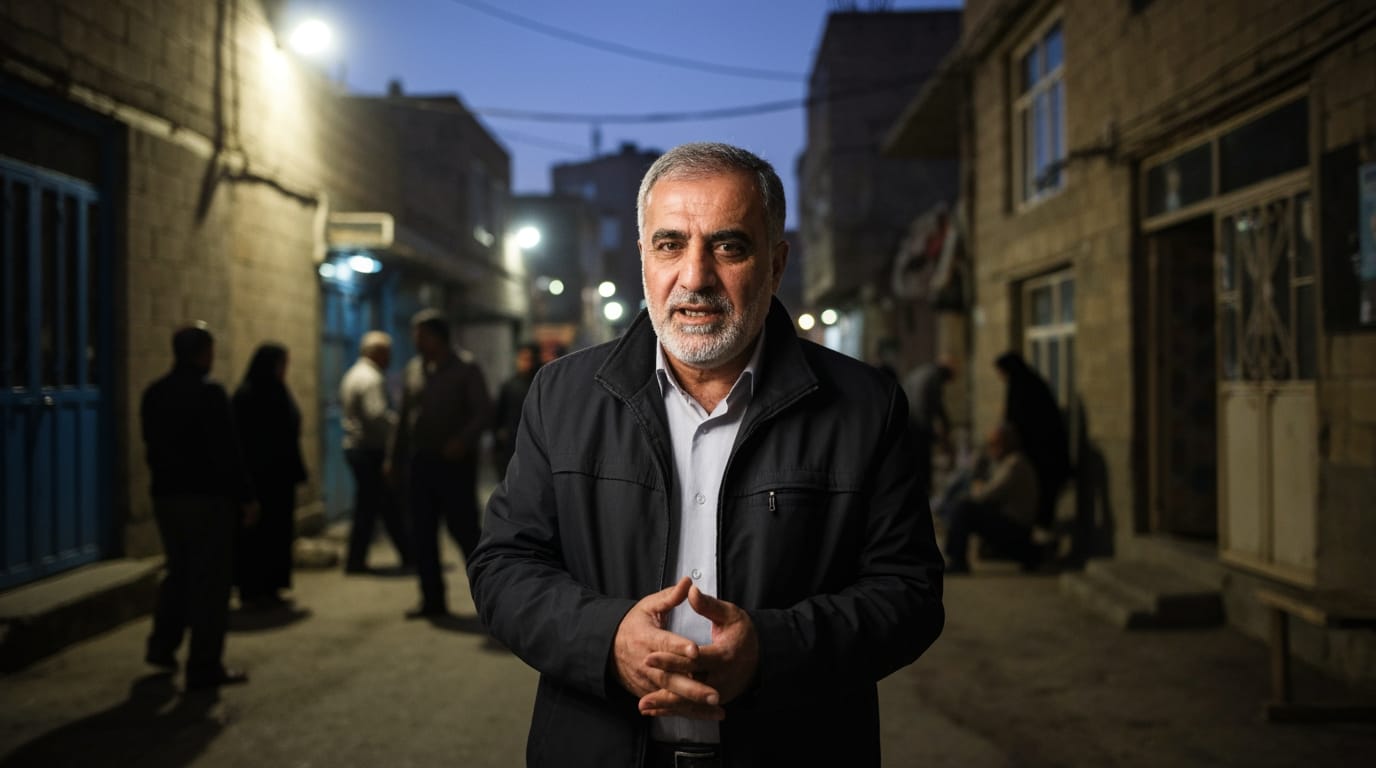
Hezbollah, the powerful Lebanese Shiite Islamist political party and militant group, remains an indispensable asset for Iran, serving as a critical pillar in Tehran's regional strategy and security doctrine. Decades of deep-rooted ideological alignment, substantial financial and military support, and a shared adversarial stance against Israel and Western influence have forged an alliance that extends Iran's geopolitical reach and provides a formidable deterrent in the volatile Middle East. This symbiotic relationship allows Iran to project power without direct military engagement, while solidifying Hezbollah's position as a dominant, albeit controversial, force in Lebanon and beyond.
The Genesis of an Alliance: Ideological Roots and Foundational Support
The alliance between Iran and Hezbollah traces its origins to the tumult of the early 1980s. Founded in 1982 in response to Israel's invasion of Lebanon, Hezbollah was deeply inspired by the 1979 Iranian Revolution and Ayatollah Ruhollah Khomeini's model of Islamic governance. From its inception, Iran's Islamic Revolutionary Guard Corps (IRGC) provided crucial training, financial aid, and ideological guidance, transforming a nascent resistance group into a potent force. This foundational support was pivotal in Hezbollah's development and its subsequent embedding within Lebanese society.
The bond is solidified by a shared Shiite Islamist ideology, a commitment to resisting Western influence, and a fervent anti-Zionist agenda. Hezbollah's 1985 manifesto explicitly pledged allegiance to Iran's Supreme Leader, underscoring the profound ideological convergence that underpins their enduring partnership. This ideological alignment has allowed Iran to leverage Hezbollah not merely as a proxy but as a direct extension of its revolutionary principles across the Levant.
Hezbollah as Iran's Strategic Arm and Regional Proxy
Hezbollah functions as a central component of Iran's "Axis of Resistance," a network of state and non-state actors united by common interests against Israel, the United States, and pro-Western states in the region. This axis is instrumental to Iran's "forward defense" strategy, enabling Tehran to confront its adversaries beyond its borders and deter potential attacks on its own territory. Experts frequently describe Hezbollah as Iran's "most valuable regional asset" and its "most important strategic arm in the Middle East."
Hezbollah's geographic proximity to Israel grants Iran significant leverage in regional conflicts and negotiations. The group has been involved in numerous regional engagements, including a critical role in the Syrian Civil War where its intervention alongside the IRGC helped preserve the Assad regime. Furthermore, Hezbollah has actively trained and supported other Iranian-backed militias in Iraq and Yemen, extending Iran's influence across a broader arc of instability. Through these actions, Hezbollah effectively serves as a powerful deterrent against perceived threats to Iran's interests and acts as a key instrument in expanding Tehran's sphere of influence without direct military intervention.
Financial Lifeline and Formidable Military Muscle
The enduring significance of Hezbollah to Iran is underscored by the substantial financial and military resources Tehran continuously funnels into the organization. Iran is estimated to provide Hezbollah with anywhere from $100 million to $1 billion annually. U.S. officials reported that Iran transferred $700 million to Hezbollah in 2020 and a staggering $1 billion in the first 10 months of 2025 alone, often through the IRGC. These funds are channeled through various means, including direct cash transfers, shipments of material goods, and seemingly innocuous private charities affiliated with Iran's revolutionary elite.
Beyond financial aid, Iran is the primary provider of weaponry, training, and logistical support to Hezbollah. This continuous backing has enabled Hezbollah to amass a formidable military capability, often considered stronger than the official Lebanese Armed Forces. The group's arsenal includes an estimated 100,000 trained fighters and up to 150,000 rockets and missiles, many of which are precision-guided and Iranian-made. This extensive military capacity allows Hezbollah to pose a credible threat to Israel, solidifying its role as a strategic deterrent for Iran.
Political Influence and Shifting Dynamics in Lebanon
Within Lebanon, Hezbollah operates as both a potent military force and a significant political actor. It has held seats in the Lebanese parliament since 1992 and participates in the government, allowing it to influence policy decisions and advocate for its interests. Furthermore, Hezbollah has cultivated strong grassroots support by providing a vast network of social services, including infrastructure, healthcare facilities, schools, and youth programs, particularly within Shia communities. This multifaceted approach has enabled Hezbollah to embed itself deeply within the Lebanese social and political fabric, fostering goodwill and strengthening its ties with Iran.
However, Hezbollah's dual identity as a Lebanese entity and Iran's primary proxy also presents inherent vulnerabilities and challenges. Its unwavering alignment with Tehran in regional conflicts has, at times, led to domestic political crises and increased isolation within Lebanon. The delicate balancing act between serving Iranian strategic objectives and maintaining its legitimacy among its Lebanese base remains a perpetual challenge for Hezbollah, particularly as regional dynamics shift and domestic pressures mount.
Conclusion: Enduring Partnership with Evolving Challenges
In conclusion, the strategic importance of Hezbollah to Iran transcends mere financial or military sponsorship; it is a profound and multifaceted alliance rooted in shared ideology and geopolitical necessity. Hezbollah remains Iran's critical instrument for extending its influence, deterring adversaries, and executing its regional foreign policy without direct confrontation.
Despite evolving regional landscapes and occasional domestic pressures on Hezbollah, the fundamental strategic and ideological ties that bind the two entities are expected to ensure the continuity of this enduring partnership. As Iran navigates its complex relationship with regional rivals and international powers, Hezbollah will almost certainly continue to serve as an indispensable cornerstone of Tehran's strategic depth and power projection in the Middle East.


