High Electricity Prices Threaten Germany's Industrial Heartland
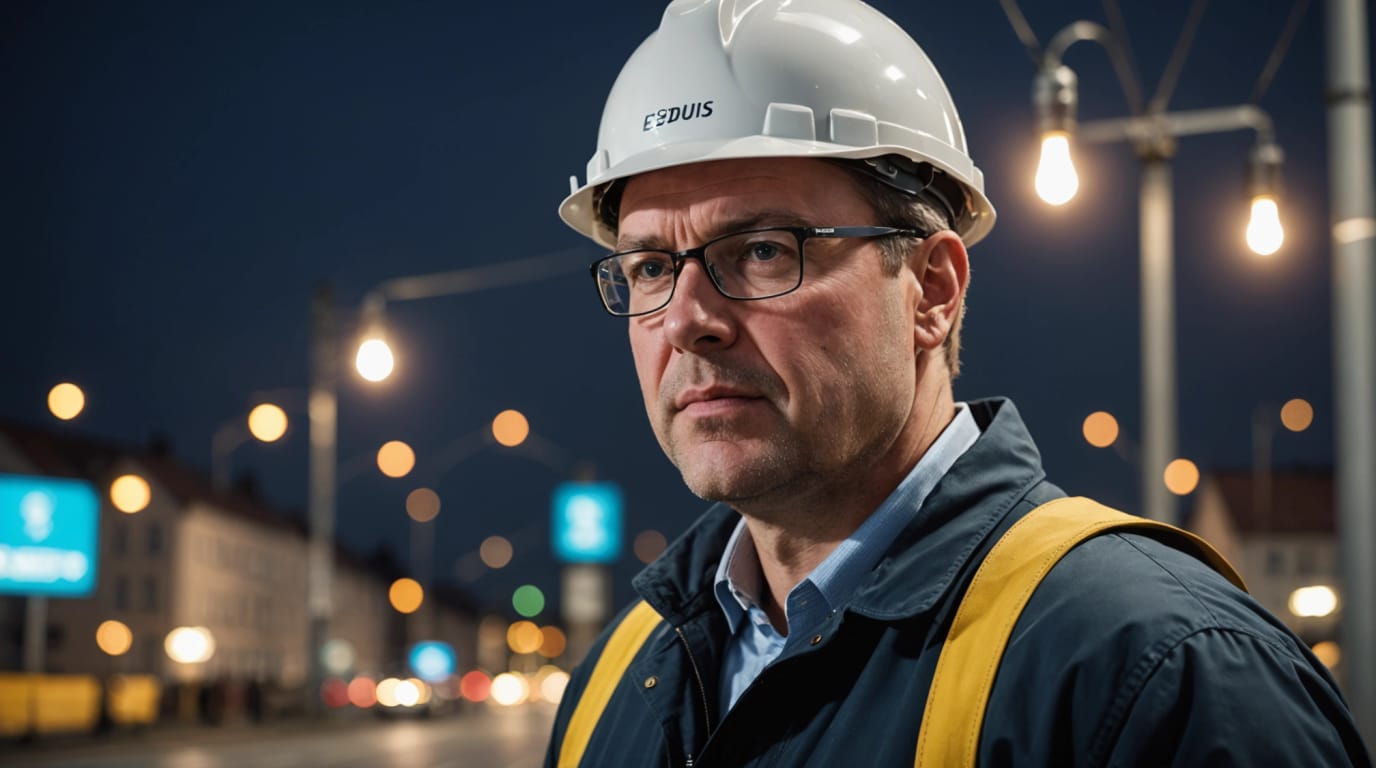
Germany, long considered the economic engine of Europe, faces a growing challenge to its industrial base due to persistently high electricity prices. These elevated costs, exacerbated by geopolitical instability and the country's energy transition policies, are impacting energy-intensive industries, raising concerns about competitiveness, and prompting calls for government intervention.
The Energy Price Shock
The surge in energy prices began in late 2021 and intensified following Russia's invasion of Ukraine, which disrupted natural gas supplies to Germany. The country's reliance on Russian gas, a policy mistake according to some, left it vulnerable to price volatility and supply disruptions. While prices have recently fallen from their peak, they remain significantly higher than pre-war levels, placing a strain on businesses, particularly those in energy-intensive sectors.
The impact is widespread, affecting industries from steel and chemicals to manufacturing and local bakeries. Some companies have been forced to discontinue products that are no longer economically viable, while others have implemented layoffs. BASF, the world's largest chemical producer, has seen a significant drop in its stock market value, and steel producer Thyssenkrupp has closed a plant and curtailed production.
Impact on Industrial Output and Competitiveness
High electricity prices are directly impacting Germany's industrial output. The manufacturing sector has experienced a decline, falling below pre-pandemic levels. German industrial production, excluding the COVID-19 pandemic period, is hovering near a 10-year low. The International Monetary Fund (IMF) reported that the surge in energy prices has reduced production in Germany's energy-intensive sectors.
The high cost of electricity undermines the competitiveness of German industries in the global market. German companies pay higher taxes and electricity costs compared to many other European Union and industrialized nations. This situation is prompting some businesses to consider relocating production to countries with lower energy costs, posing a threat to German jobs and economic stability. A survey by the German Chamber of Industry and Commerce (DIHK) revealed that nearly 90% of businesses view the country's economic policy as increasingly unreliable.
Germany's Energy Transition and Policy Challenges
Germany's "Energiewende," or energy transition, aims to shift the country away from fossil fuels and nuclear power towards renewable energy sources. However, the transition has faced several challenges, including a slow expansion of renewable energy infrastructure, bureaucratic hurdles, and resistance to nuclear energy. The decommissioning of the country's last three nuclear plants has further tightened the energy supply.
The slow transition to renewables, plagued by bureaucratic obstacles, threatens Germany's energy security, environmental commitments, and economy. While solar PV expansion is meeting targets, a gap remains between growing wind power capacity and the necessary grid expansion. Critics argue that an over-reliance on renewable energy sources without sufficient grid modernization and storage solutions has contributed to high energy prices.
Government Responses and Proposed Solutions
The German government has implemented several measures to mitigate the impact of high electricity prices on businesses and households. These include tax cuts, subsidies, and relief packages. In 2023, the government unveiled a plan to reduce electricity prices for struggling industries through tax cuts and subsidies, potentially costing billions of euros.
One proposal involved capping electricity costs for energy-intensive companies at 6 cents per kilowatt hour (kWh) until 2030, with the condition that they commit to climate neutrality by 2045. However, this plan faced opposition from within the government, with concerns raised about the long-term affordability and economic wisdom of such subsidies.
Industry associations, such as the BDI, have called on the government to extend electricity price subsidies for energy-intensive companies and to ensure that EU state aid rules do not hinder efforts to provide relief from rising prices. They also advocate for an "ambitious" expansion of renewables, accelerated approval procedures, and the necessary grid buildout.
Adapting to the New Energy Landscape
Despite the challenges, some German companies have adapted to the higher energy prices by implementing energy efficiency measures and shifting towards renewable power sources. An analysis by the research institute ZEW Mannheim found that many German companies introduced energy efficiency measures and some shifted towards renewable power sources due to higher energy prices in the aftermath of the Russian invasion of Ukraine.
However, researchers caution that these positive environmental results come with negative short-term economic consequences, as firms strongly affected by energy price increases show lower growth in sales. The German steel industry has remained competitive despite higher electricity prices, possibly because of its focus on volume and economies of scale.
Looking Ahead: A Call for Action
Germany's high electricity prices pose a significant threat to its industrial base and overall economic competitiveness. Addressing this challenge requires a multi-faceted approach that includes accelerating the transition to renewable energy, streamlining bureaucratic processes, investing in grid modernization, and providing targeted support to energy-intensive industries.
The next German government faces the urgent task of implementing policies that ensure affordable and reliable energy supplies while also advancing the country's climate goals. Failure to do so risks further eroding Germany's position as a global industrial leader and undermining its economic prosperity. The German Chamber of Industry and Commerce is urging the next government to slash bureaucracy, accelerate approval processes, and lower electricity costs to stop the country's declining competitiveness. The BDI emphasizes that the new 2040 climate target should not overburden the industry and that companies should receive the financial support they need.