High-Stakes Diplomacy: German Chancellor Merz Engages Trump Amidst Geopolitical Volatility
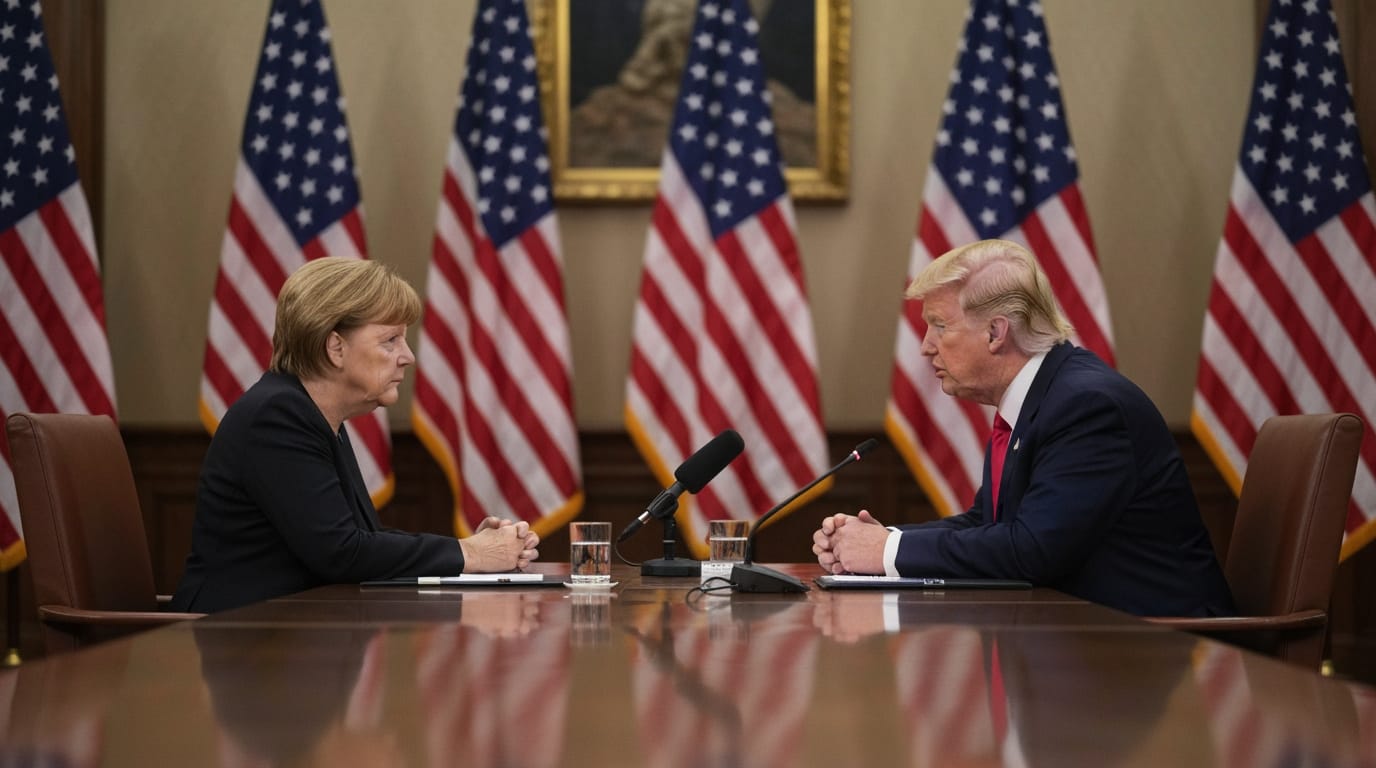
In a pivotal moment for transatlantic relations, German Chancellor Friedrich Merz arrived in Washington for what are anticipated to be demanding "crisis talks" with former U.S. President Donald Trump on March 3. The high-stakes encounter comes amidst simmering global tensions, persistent trade disputes, and profound questions surrounding the future of Western alliances, particularly concerning the conflict in Ukraine and the increasingly complex security landscape in the Middle East. Merz’s visit underscores Europe’s proactive efforts to engage with a potentially resurgent Trump and navigate the intricate geopolitical chessboard.
A Diplomatic Balancing Act in a Shifting World Order
Chancellor Merz's visit to the U.S. capital is more than a routine diplomatic engagement; it represents a critical balancing act for Germany and the wider European Union. As Merz prepared for the discussions, observers noted the profound importance of strengthening ties between Germany and the United States, particularly given the unpredictability that has sometimes characterized the relationship under previous Trump administrations. Merz, now Chancellor, aims to foster cooperation on a range of issues, from economic stability to security challenges, against a backdrop of global uncertainties.
The meeting, slated for Tuesday, March 3, is expected to involve discussions in the Oval Office, followed by a working lunch, according to a German government spokesperson. Key topics on the agenda include bilateral relations, the international security situation, and pressing trade issues. Merz reportedly seeks to build a working relationship and establish common ground, though expectations for immediate breakthroughs on contentious matters remain tempered. He was reportedly "coached on an array of eventualities" to prepare for the potentially mercurial nature of the discussions.
Navigating the Tariff Minefield
Central to the "crisis talks" is the contentious issue of trade and the specter of U.S. tariffs. German Chancellor Merz is intent on seeking clarity regarding the U.S. tariff policy affecting European Union goods. The looming threat of new U.S. levies, with Trump having announced a new 10% global tariff and previously threatening an increase to 15%, presents a significant economic concern for the bloc. This pressure is compounded by a recent U.S. Supreme Court decision that struck down Trump's use of emergency powers as the legal basis for imposing tariffs, adding an layer of legal complexity to the situation.
Merz's mission is not merely to represent German interests but also to convey a "common European position" on these tariffs, coordinating closely with his European partners. The European Parliament's decision to suspend the verification process for a trade agreement with Washington in response to the tariff issue underscores the broad European concern. For Germany, as a major exporting nation, any escalation in trade tensions could have substantial economic repercussions, making the dialogue on this front particularly urgent.
Ukraine, Security, and the Fragile European Order
Beyond trade, the discussions are set to delve into critical security matters, with the ongoing conflict in Ukraine topping the agenda. Chancellor Merz is expected to press Trump to exert greater pressure on Russia to end its aggression against Ukraine. This appeal comes at a time when the dynamics of international support for Kyiv remain a subject of intense debate and political maneuvering. Previous interactions have highlighted differing perspectives, with Trump once likening the conflict to "two fighting children" who should be left to "fight for a while". Merz, conversely, has consistently emphasized the United States' historic role in global security and its unique leverage to influence the conflict's outcome.
Defense spending will also be a prominent point of discussion. The U.S. has consistently urged European allies, including Germany, to increase their contributions to collective defense. Merz is prepared to outline Germany's commitment to significantly boost its defense spending, potentially aiming for an overall 5% of GDP—a combination of direct defense spending and investment in defense-relevant infrastructure. This commitment reflects a growing recognition in Europe of the need for greater self-reliance in security, particularly in the face of ongoing Russian aggression and the shifting geopolitical landscape. The wider context of a recent U.S.-Israeli military strike in Iran, which led to heightened global tensions, also casts a shadow over the security discussions, further underscoring the urgent need for coordinated Western strategy.
A Study in Personal Diplomacy
The encounter between Merz and Trump also serves as a test of personal diplomacy. Reports indicate that the two leaders have, in previous conversations, adopted a first-name basis, signaling an attempt to foster a more personal connection. Merz has reportedly arrived with a unique diplomatic gesture: a framed birth certificate of Trump's German-born grandfather, Friedrich Trump, who emigrated from Kallstadt, Germany. Such human-interest elements, while seemingly minor, can play a role in setting a constructive tone for difficult discussions, particularly with a leader known for valuing personal rapport.
However, the meeting remains fraught with potential challenges. Merz and his team are aware of the need to navigate the conversation carefully, prepared for a range of scenarios from cordial exchanges to more robust disagreements. The goal for Merz is to return to Berlin with his dignity intact and, crucially, with a clearer understanding of Trump’s positions and intentions on critical issues, laying the groundwork for a more stable and predictable transatlantic relationship moving forward.
The Path Forward for Transatlantic Ties
As Chancellor Merz concludes his discussions in Washington, the outcomes will reverberate far beyond the Oval Office. The talks represent a critical inflection point for U.S.-German relations and the broader transatlantic alliance. With global challenges intensifying—from economic uncertainties exacerbated by potential trade wars to the enduring conflict in Ukraine and instability in the Middle East—the ability of key leaders to find common ground and articulate a coherent Western strategy is paramount. Merz’s mission is to secure commitments, convey Europe’s united stance, and underscore the enduring importance of collaborative leadership in an increasingly fragmented world. The results of these high-stakes discussions will offer significant insights into the future trajectory of international cooperation and the resilience of the transatlantic partnership.