High Stakes Diplomacy: Rubio Signals Imminent Iran Deal Amidst Escalating Tensions
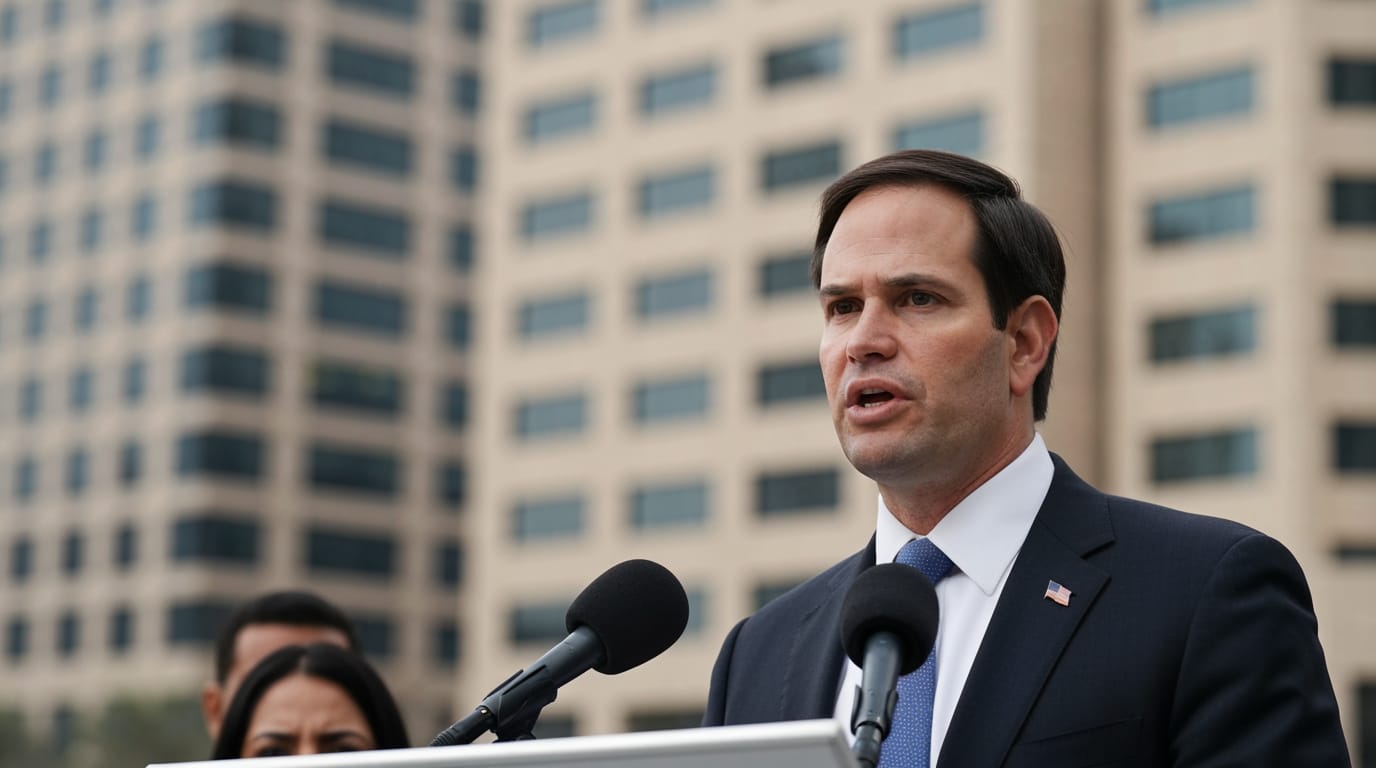
New Delhi, India – In a period of heightened geopolitical tension, U.S. Secretary of State Marco Rubio indicated this week that a potential deal with Iran could materialize within "a few days," offering a glimmer of diplomatic hope even as American forces conducted defensive strikes in southern Iran. Rubio's remarks, delivered from India during a critical diplomatic tour, underscore the precarious balance between military pressure and ongoing negotiations aimed at de-escalating a months-long conflict that has destabilized the Middle East and impacted global energy markets.
The Secretary's cautious optimism comes as diplomatic efforts intensified in Doha, Qatar, where Iranian negotiators engaged with Qatar's prime minister in a bid to resolve the three-month-old conflict. This delicate diplomatic dance unfolded against a backdrop of recent U.S. military action, including strikes on Iranian missile launch sites and vessels allegedly attempting to lay naval mines. These actions, described by Washington as self-defense, highlight the volatile environment in which the discussions are taking place.
Diplomacy Under Fire: A Race Against Escalation
Rubio, speaking to reporters on his plane en route to Jaipur, acknowledged the proximity of a potential agreement, stating, "There were some talks going on in Qatar today, so we'll see if we can make progress. I think it's a lot of talking back and forth going on about specific language in the initial document, so it'll take a few days." Just a day prior, the U.S. Central Command confirmed strikes against Iranian targets, fueling concerns that military engagement could derail the fragile diplomatic process. Despite these military actions, the Secretary maintained that the U.S. would prioritize diplomacy before considering alternative measures.
The current round of negotiations seeks to address several critical issues, including maritime security, nuclear concerns, and broader regional stability. A key focus remains the reopening of the Strait of Hormuz, a vital international shipping lane that Iran reportedly closed in response to earlier U.S.-Israel attacks in February. Reports suggest that a proposed deal includes Iran agreeing to reopen the Strait in exchange for the lifting of U.S. blockades and sanctions relief. However, the strategic waterway's fate remains a significant point of contention, with Rubio emphatically stating that the Strait "has to be open, they're going to be open one way or the other, so they need to be open."
The Strait of Hormuz: A Critical Chokepoint
The Strait of Hormuz, through which roughly one-fifth of the world's oil and liquefied natural gas shipments typically pass, is a critical artery for global energy. Its closure has had profound implications for international trade and energy prices, exacerbating the urgency of the ongoing negotiations. Since the conflict escalated, maritime traffic through the Strait has significantly decreased, intensifying fears of prolonged disruptions. While Iran has reportedly agreed in principle to reopen the Strait, there were suggestions from Tehran that it might impose tolls on passing ships, a proposition swiftly dismissed by Rubio as "unfeasible" and unacceptable.
The negotiations are not solely focused on maritime access. Discussions also encompass Iran's nuclear program, a perennial source of international concern. Rubio referred to a "very real, significant, time-limited negotiation on the nuclear matter," indicating that the current talks go beyond immediate conflict resolution to address long-term proliferation risks. This aspect echoes the complexities of previous nuclear accords, such as the 2015 Joint Comprehensive Plan of Action (JCPOA), from which the Trump administration withdrew in 2018. The renewed focus on nuclear issues underscores the international community's enduring commitment to preventing Iran from developing nuclear weapons capabilities.
Conflicting Narratives and Nuclear Ambitions
Despite the American Secretary of State's pronouncements, Iran has offered a more tempered perspective on the immediacy of a deal. Esmaeil Baqaei, a spokesman for Iran's foreign ministry, acknowledged progress on many issues but cautioned that an agreement was not imminent. This discrepancy highlights the considerable gaps that still need bridging between the two sides. Reports also suggest conflicting interpretations of the deal's scope, with a senior administration official indicating that Iran had agreed in principle to dispose of highly enriched uranium as part of a final resolution, while Iranian sources reportedly stated the deal would not include its nuclear program and that Tehran had not committed to not building a nuclear bomb. Such divergent views point to the intricate and likely protracted nature of reaching a comprehensive understanding.
President Donald Trump, under whose administration Rubio serves as Secretary of State, has been actively involved in shaping the U.S. approach. He recently tempered expectations, instructing his negotiators not to "rush" a deal, emphasizing his preference for "a Great Deal for all, or no Deal at all." This stance reflects the administration's "maximum pressure" strategy, which has sought to compel Iran into broader concessions through sanctions and military deterrence. Domestically, the potential deal has drawn scrutiny from some conservative voices, including Republican Senators Ted Cruz and Lindsey Graham and former Secretary of State Mike Pompeo, who expressed concerns about the implications of any agreement for Iran's regional influence and potential nuclear ambitions.
A Region on Edge: The Broader Implications
The "three-month-old war" between the U.S., Israel, and Iran, which began around February 2026, has been characterized by mutual attacks and a fragile ceasefire in place since early April. The conflict has reverberated throughout the Middle East, intensifying existing regional rivalries and leading to a significant drop in commercial shipping through the Strait of Hormuz. The ongoing negotiations are therefore critical not only for U.S.-Iran relations but also for the wider security architecture of the Persian Gulf and global energy stability. The stakes remain incredibly high, with the next phase of talks poised to determine whether the region moves towards de-escalation or faces further military confrontation.
As Secretary Rubio concludes his diplomatic engagements in India, the international community remains keenly focused on the developments emanating from Doha. The prospect of a deal, even one that takes "a few days" to finalize, offers a fragile hope for calming a volatile region. However, the deep-seated mistrust, the complexities of the issues at hand, and the conflicting demands from all parties mean that the path to a lasting resolution remains fraught with challenges. The coming days will be crucial in determining whether diplomacy can ultimately prevail over escalating tensions in the Middle East.


