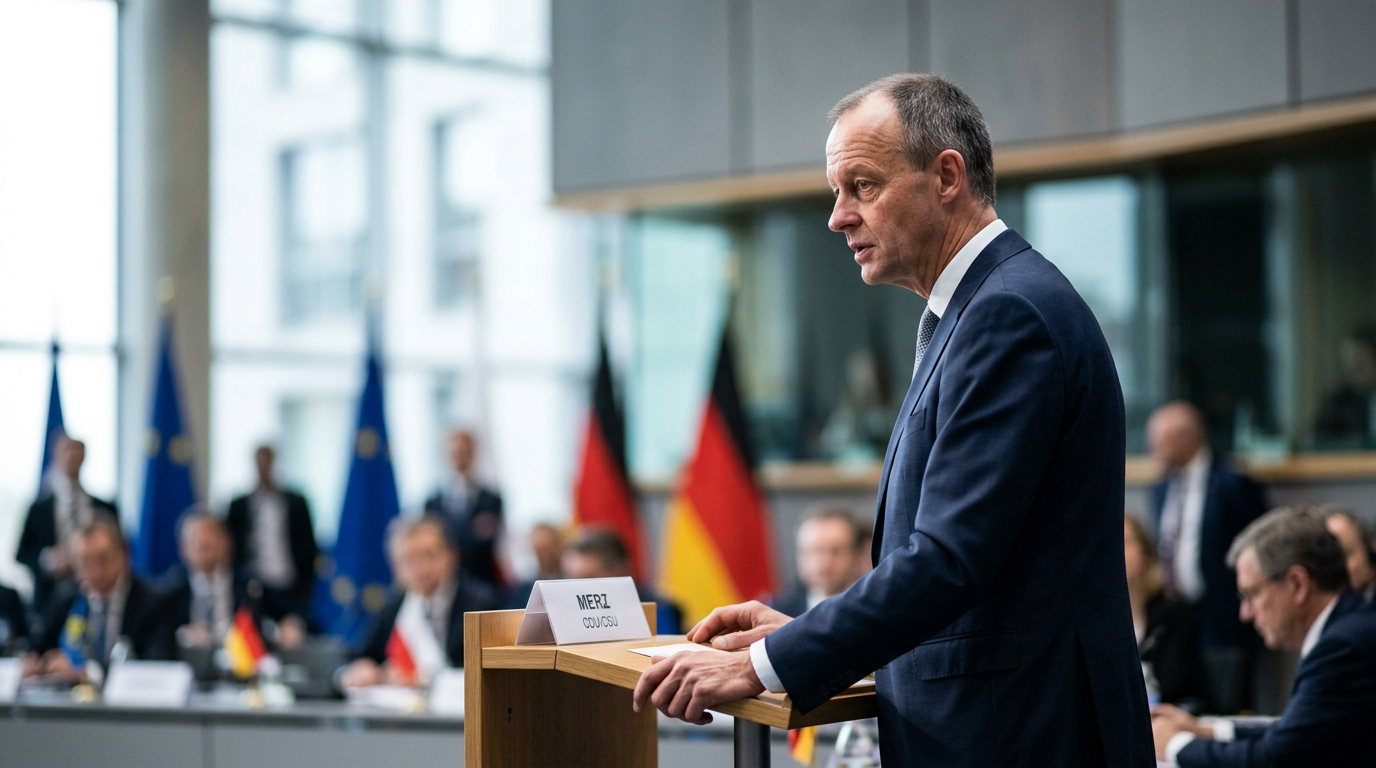
High-Stakes Diplomacy: Russia Joins Critical Ukraine Peace Talks in Miami
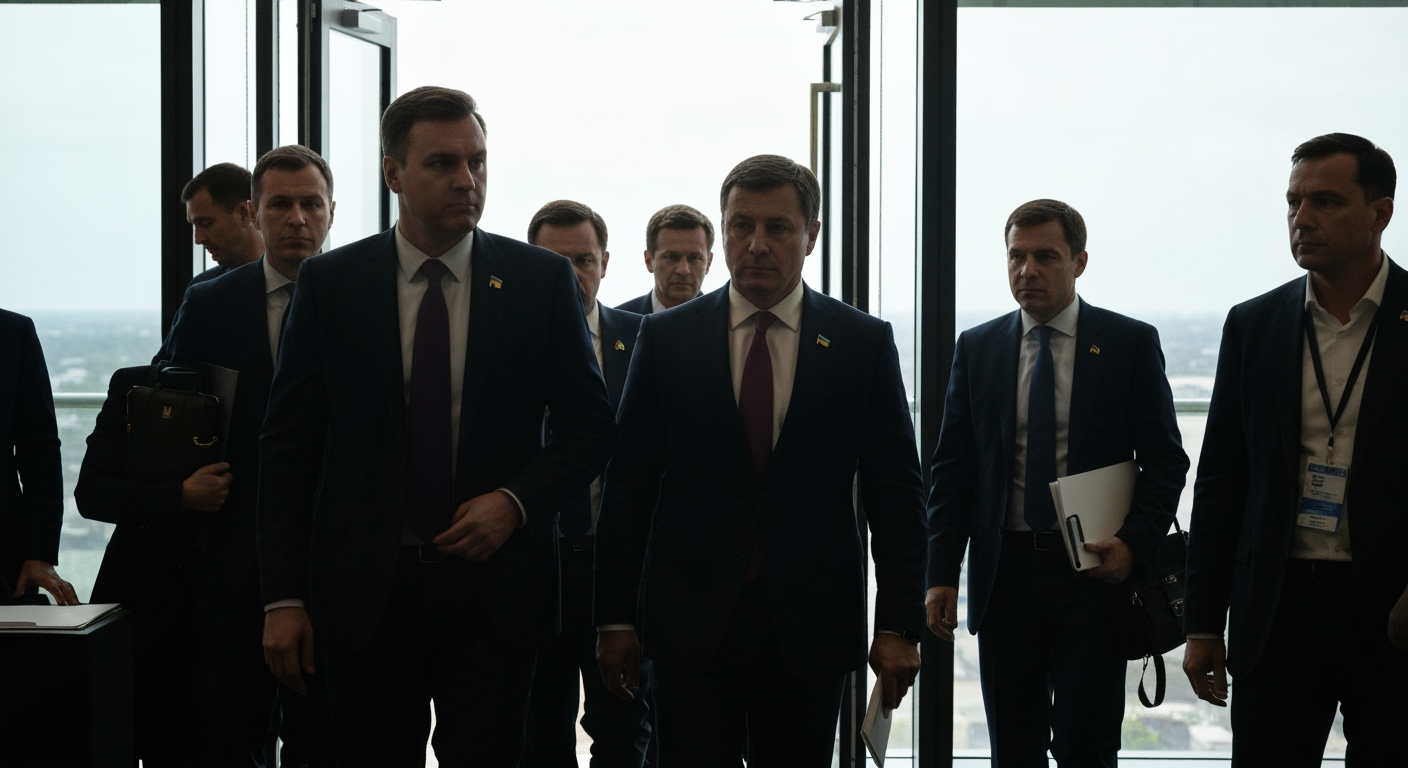
MIAMI – In a potentially pivotal moment for the protracted conflict in Ukraine, Russian envoys have arrived in Miami, Florida, to participate in high-level discussions aimed at negotiating a peace deal, nearly four years after the full-scale invasion commenced. The weekend talks, mediated by the United States, represent a significant diplomatic engagement, drawing international attention to the complex and deeply entrenched positions of the warring parties. While direct trilateral negotiations between Russia and Ukraine are not anticipated, the presence of Russian and Ukrainian delegations in the same city, engaging with U.S. and European officials, signals a renewed, albeit cautious, push towards de-escalation and a potential end to the devastating war.
A Tentative Step Towards Dialogue
The decision by Moscow to send a delegation, led by Kirill Dmitriev, a special envoy of President Vladimir Putin and CEO of the Russian Direct Investment Fund, marks a notable shift in the diplomatic landscape. Dmitriev confirmed his travel to Miami, expressing a hopeful sentiment on social media. The U.S. delegation, spearheaded by President Donald Trump's special envoy Steve Witkoff and his son-in-law Jared Kushner, is facilitating these discussions. Ukrainian National Security Advisor Rustem Umerov and officials from Britain, France, and Germany are also part of the broader diplomatic effort in Miami. However, given the highly strained relations, separate meetings between the U.S. and each side are expected to dominate the agenda, rather than face-to-face negotiations between Ukrainian and Russian representatives.
These Miami talks follow previous intense diplomatic engagements in Berlin last weekend, where U.S., Ukrainian, and European officials convened to discuss a 20-point U.S. draft peace plan. Sources familiar with the matter reported that approximately 90% of the differences on this comprehensive plan were either resolved or significantly narrowed during the Berlin discussions. This progress laid the groundwork for the current round of talks, introducing a glimmer of hope into a conflict that has exacted an immense human and economic toll.
Deep Divides: Competing Demands on the Path to Peace
Despite the logistical breakthrough of Russia's participation, the chasm between Kyiv's and Moscow's demands remains formidable. Ukraine has consistently outlined several key conditions for a lasting peace. These include an immediate and comprehensive ceasefire, substantial compensation for the extensive damage inflicted during the conflict, and robust security guarantees that could provide protections akin to NATO's Article 5 without requiring formal alliance membership. Other critical demands from Kyiv involve the continuation of international sanctions against Russia and the imperative return of Ukrainian children and prisoners of war. Ukrainian President Volodymyr Zelensky has indicated a willingness to suspend Ukraine's bid to join NATO in exchange for credible Western security assurances.
Conversely, Russian President Vladimir Putin, in his annual press conference just a day prior to the Miami talks, reiterated maximalist demands. Putin emphasized that any peace deal must recognize four annexed Ukrainian regions—Donetsk, Luhansk, Zaporizhzhya, and Kherson—along with Crimea, as Russian territory. He further insisted that Ukraine abandon its ambition to join NATO, limit the size of its armed forces, and grant official status to the Russian language. Putin warned that Moscow would intensify its military offensive if these conditions were not met through diplomatic channels, underscoring Russia's perceived position of strength on the battlefield. This stark divergence on territorial integrity and national sovereignty presents a significant hurdle for any meaningful resolution.
The U.S. Role and the Specter of Concessions
The U.S. administration, under President Trump, has intensified its diplomatic efforts to broker an end to the nearly four-year conflict. The U.S. draft peace plan, which forms the basis of these discussions, reportedly includes provisions for security guarantees for Ukraine. However, reports suggest that this plan might also entail expectations for Ukraine to cede some territory, a prospect that elicits strong resentment among many Ukrainians. U.S. Secretary of State Marco Rubio, while in Washington, affirmed that the U.S. would not force Ukraine into any agreement, stating, "There's no peace deal unless Ukraine agrees to it." His comments aimed to assuage concerns that Ukraine might be pressured into unfavorable concessions, yet the issue of territorial integrity remains a core sticking point.
The involvement of high-profile figures from President Trump's inner circle, such as Kushner and Witkoff, signals a highly personalized approach to diplomacy. This unconventional channel aims to bridge the gap between Moscow and Kyiv, even as U.S. intelligence reports continue to suggest that Putin remains committed to capturing all of Ukraine, a stance that seemingly contradicts Russia's public assertions of readiness for peace.
A Fragile Hope Amidst Persistent Conflict
The Miami talks unfold against a backdrop of continued military engagements and a complex geopolitical environment. While the diplomatic overture is widely welcomed, the depth of mistrust and the conflicting objectives of the parties temper expectations for a rapid breakthrough. The world watches closely to see if this concentrated diplomatic push in Miami can lay the groundwork for a genuine peace process, or if it will merely highlight the enduring obstacles to ending one of the 21st century's most devastating conflicts. The potential for a negotiated settlement, however distant, offers a flicker of hope for the millions affected by the nearly four years of war and underscores the urgency of finding a sustainable path to peace.
Related Articles

Ratko Mladić, "Butcher of Bosnia" and Convicted War Criminal, Dies at 84
THE HAGUE, Netherlands – Ratko Mladić, the former Bosnian Serb military commander known as the "Butcher of Bosnia" and convicted of genocide, war crimes, and crimes against humanity, has died at the age of 84. Serbian...

Long-Awaited 9/11 Mastermind Trial Set for 2028, Decades After Attacks
GUANTANAMO BAY, Cuba – Nearly a quarter-century after the devastating terror attacks of September 11, 2001, a military judge has finally set a trial date for Khalid Sheikh Mohammed, the alleged mastermind behind the...