High-Stakes Diplomacy: U.S. and Iran Grapple with Decades of Mistrust Amidst Peace Talks
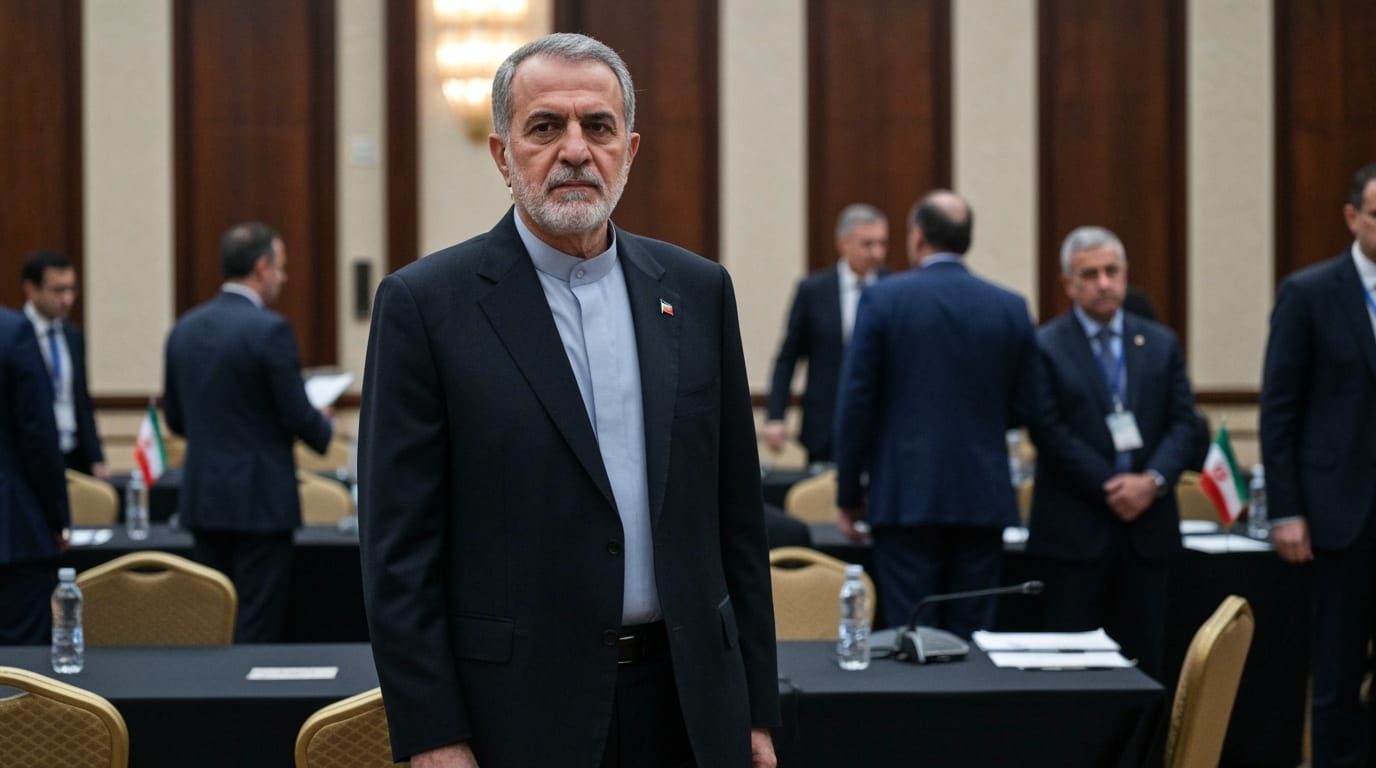
BÜRGENSTOCK, SWITZERLAND – High-level negotiations between the United States and Iran are underway in Switzerland this week, aiming to solidify a fragile truce into a lasting peace agreement following months of intense conflict. While mediators from Pakistan and Qatar have reported "encouraging progress" and a roadmap for a final deal within 60 days, the discussions remain deeply complicated by decades of animosity, profound mistrust, and unresolved core issues that have repeatedly pushed the two nations to the brink of war. The very presence of US Vice President JD Vance and Iranian chief negotiator Mohammad Bagher Ghalibaf at the negotiating table underscores the gravity of the moment, yet the path forward is fraught with obstacles rooted in historical grievances and starkly divergent national interests.
A Troubled History: Roots of Enduring Mistrust
The current diplomatic efforts unfold against a backdrop of nearly five decades of fraught relations, characterized by strategic rivalry and ideological opposition. The initial rupture can be traced back to the 1953 US-backed coup that overthrew Iran's democratically elected Prime Minister Mohammad Mossadegh, fostering deep-seated resentment among Iranians. This sentiment exploded in the 1979 Islamic Revolution, which ousted the pro-Western Shah and led to the seizure of the U.S. Embassy in Tehran, holding 52 American diplomats hostage for 444 days. This event severed diplomatic ties and ushered in a new era of hostility, marked by the United States imposing a series of economic, trade, scientific, and military sanctions against Iran.
Subsequent events further solidified mutual distrust. The US provided tacit support to Iraq during the Iran-Iraq War (1980-1988), and the Iran-Contra affair in the mid-1980s exposed secret arms dealings. The US designated Iran as a "state sponsor of terrorism," citing its support for regional groups, a charge Tehran consistently rejects. This prolonged antagonism created a cycle where each nation viewed the other's actions through a lens of suspicion, contributing to an environment where opportunities for reconciliation were often overshadowed by enduring feelings of victimization and conflicting ideological outlooks.
The Nuclear Deal, Its Demise, and Escalation to War
A brief period of diplomatic thaw culminated in the 2015 Joint Comprehensive Plan of Action (JCPOA), often referred to as the Iran nuclear deal. This landmark accord limited Iran's nuclear program in exchange for sanctions relief, with verification by the International Atomic Energy Agency (IAEA). However, the agreement's fragility became evident when the US withdrew unilaterally in May 2018, reimposing a "maximum pressure" campaign of sanctions. In response, Iran gradually expanded its nuclear activities beyond JCPOA limits, enriching uranium to higher purities and increasing stockpiles.
Tensions dramatically escalated in 2025. After a 60-day deadline set by then-President Donald Trump for a new nuclear peace agreement passed without resolution, Israel launched strikes against Iran in June 2025, initiating a conflict. The situation deteriorated further, leading to the "2026 Iran war," which commenced on February 28, 2026, with joint US-Israeli airstrikes targeting military and government sites in Iran. These attacks, dubbed Operation Epic Fury, resulted in significant casualties, including the assassination of Supreme Leader Ayatollah Ali Khamenei. Iran retaliated by targeting US military facilities and Israel, and crucially, by effectively blocking the vital Strait of Hormuz, causing a global energy crisis. The conflict, which lasted until June 17, 2026, underscored the devastating consequences of unchecked escalation and led to a desperate push for de-escalation.
Current Negotiations: A Complex Web of Demands
The ongoing talks in Switzerland represent a critical juncture, aimed at translating a preliminary Memorandum of Understanding (MoU) signed on June 17, 2026, into a comprehensive peace agreement. Mediators Pakistan and Qatar have outlined a 60-day roadmap for reaching a final deal. The primary agenda items reflect the multifaceted nature of the conflict:
- Nuclear Program: A central point of contention remains Iran's nuclear enrichment levels, the status of its highly enriched uranium stockpiles, and the extent of IAEA inspections. The US seeks stricter limitations than those stipulated in the original JCPOA, aiming to prevent Iran from developing nuclear weapons capabilities, while Iran asserts its sovereign right to peaceful nuclear technology. The MoU is reportedly vague on specific nuclear commitments, raising concerns among critics.
- Sanctions Relief: Iran demands the lifting of crippling US sanctions on its oil, petrochemical products, and frozen financial assets. The US Treasury Department has already issued a 60-day waiver allowing Iranian oil sales, a crucial concession aimed at building trust and facilitating further negotiations. Iran is reportedly seeking to frontload these economic benefits.
- Regional De-escalation: The conflict in Lebanon, involving Israel and Iran-backed Hezbollah, is a key focus. The parties have agreed to establish a "de-confliction cell" to manage tensions in Lebanon and a communication line to prevent incidents in the Strait of Hormuz. Iran's extensive network of regional proxies, including Hezbollah, Houthi rebels in Yemen, and Iraqi militias, remains a significant concern for the US and its allies, with Washington aiming to curb their activities.
- Strait of Hormuz: Reopening the vital waterway and ensuring safe passage for commercial vessels is critical for global energy markets. Iran's previous closure of the Strait during the war demonstrated its leverage over this choke point.
Despite the declared "progress," the talks have been marked by a tense atmosphere, including early threats from President Trump to restart attacks. The challenges are immense, stemming from conflicting objectives, with the US prioritizing nuclear non-proliferation and regional stability, while Iran views its nuclear program and regional influence as essential for regime survival and deterrence.
The Path Ahead: A Delicate Balance
The current negotiations represent a perilous but necessary attempt to navigate a relationship scarred by decades of antagonism. While the signing of the MoU and the initial talks in Switzerland offer a glimmer of hope for de-escalation, the road to a comprehensive and lasting peace remains arduous. The mutual distrust, complex regional alliances, and the aftermath of recent direct conflict present formidable challenges.
The success of these talks hinges on the ability of both sides to bridge fundamental disagreements, particularly on the scope of Iran's nuclear program and its regional activities, while simultaneously addressing Iran's demands for sanctions relief and economic stability. The 60-day timeframe for a final agreement is ambitious, especially given the technical complexities involved and the deep-seated political hurdles. The international community, particularly the mediating efforts of Pakistan and Qatar, along with other global powers, will play a crucial role in sustaining the dialogue and pushing for compromises that can prevent a return to open warfare. The stakes are profoundly high, not only for the United States and Iran but for the stability of the entire Middle East and the global economy.


