High-Stakes Florida Summit: Trump and Zelenskyy Set to Tackle Ukraine Peace Amid Wary Expectations
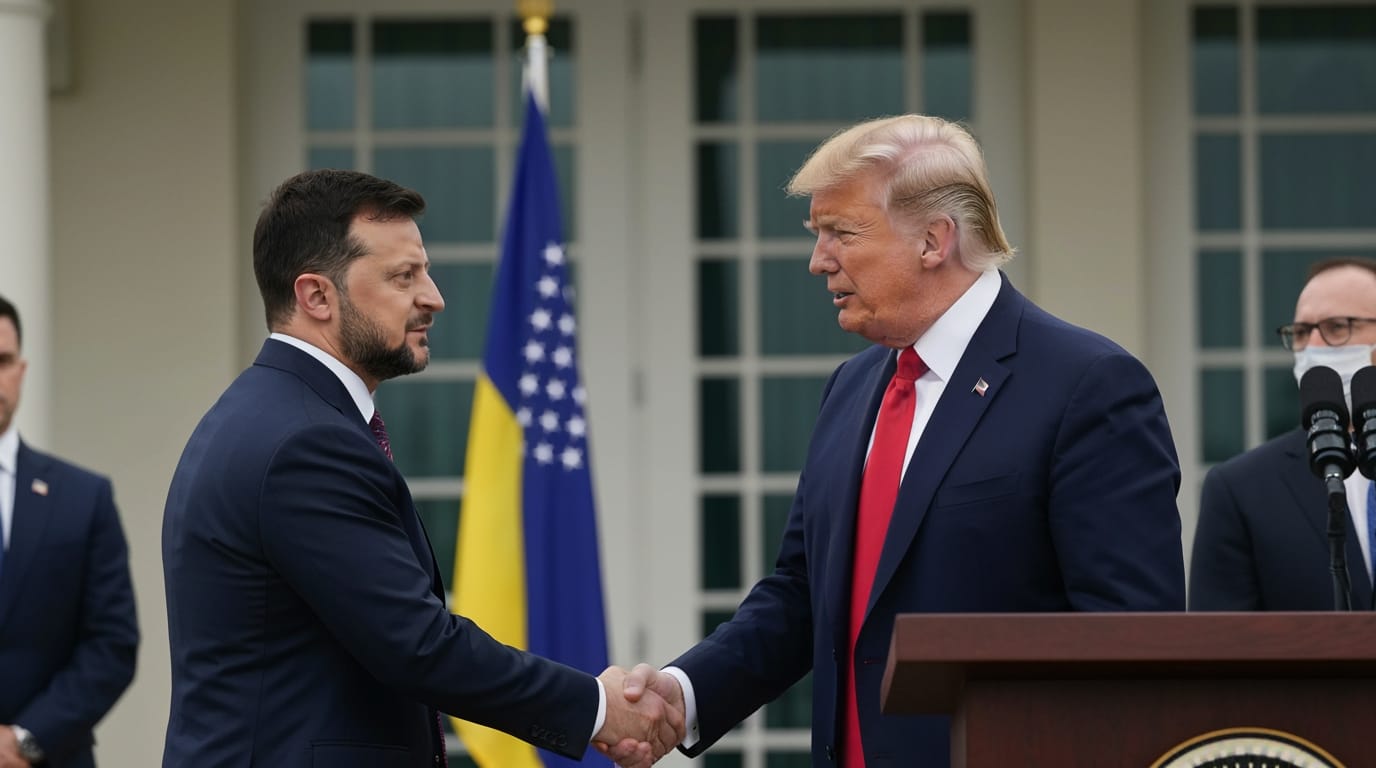
PALM BEACH, Fla. – In a diplomatic overture freighted with both opportunity and historical tension, U.S. President Donald Trump is scheduled to host Ukrainian President Volodymyr Zelenskyy this Sunday, December 28, in Florida. The high-level meeting, confirmed by the White House, aims to advance a U.S.-led diplomatic initiative to end the protracted nearly four-year conflict between Ukraine and Russia. With a 20-point Ukrainian peace plan reportedly 90 percent complete, the discussions at Trump’s Mar-a-Lago residence are anticipated to be a pivotal moment for a war that has reshaped geopolitical alignments and exacted a devastating human cost.
The upcoming talks underscore an urgent push to de-escalate hostilities that began with Russia's full-scale invasion on February 24, 2022. For Ukraine, the meeting represents a critical opportunity to solidify international backing for its sovereignty and territorial integrity, while also seeking tangible security guarantees and economic agreements. For President Trump, who has demonstrated a distinct approach to foreign policy, the summit is part of a broader diplomatic effort to broker peace, an endeavor marked by both skepticism and expectation from international observers.
Diplomacy in the Sunshine State: Agenda and Anticipation
President Zelenskyy arrives in Florida with a detailed 20-point peace proposal, signaling Ukraine's readiness to engage constructively in negotiations. Key elements of this plan reportedly include establishing a demilitarized zone and discussions around "territorial issues." Zelenskyy has expressed a willingness to consider withdrawing Ukrainian troops from the eastern industrial heartland if Russia reciprocates and the area is demilitarized under international oversight. An "economic agreement" is also on the docket, though Zelenskyy indicated uncertainty about immediate finalization of any specific outcomes.
The Ukrainian leader has also conveyed a desire for European involvement in the ongoing peace efforts, acknowledging that short notice may preclude their full participation in this specific meeting. However, European Commission President Ursula von der Leyen is slated to join preliminary conversations with Trump and Zelenskyy, indicating some level of Western coordination ahead of the main summit. This broader engagement highlights the complex multilateral dimensions of achieving a lasting peace in the region.
The discussions follow recent engagements between Ukrainian officials and U.S. representatives, including a "good conversation" Zelenskyy had with U.S. special envoy Steve Witkoff and Jared Kushner, President Trump's son-in-law. Notably, the Kremlin, through spokesperson Dmitry Peskov, has also confirmed contact with U.S. representatives in Florida, suggesting parallel dialogues are underway to facilitate a resolution to the conflict.
A Complicated History: Trump, Zelenskyy, and the Ukraine Conflict
The meeting in Florida unfolds against a backdrop of a complex and often strained relationship between the two leaders, particularly during President Trump's first term in office. Their interactions previously became a central focus of U.S. domestic politics, notably leading to Trump's first impeachment in 2019 over allegations of pressuring Ukraine to investigate a political rival.
More recently, in February 2025, relations reportedly soured during an Oval Office meeting where President Trump allegedly expressed strong views on the conflict, blaming Ukraine for its onset and describing Zelenskyy as "disrespectful." That contentious encounter reportedly ended without the signing of a crucial minerals deal and saw Trump placing Ukrainian membership in NATO off the negotiation table. These past events introduce a layer of unpredictability to the current summit, as both leaders navigate personal dynamics alongside pressing geopolitical objectives.
President Trump’s foreign policy, often characterized by an "America First" doctrine, has historically shown skepticism regarding extensive U.S. foreign aid and international alliances. His past statements have occasionally cast doubt on the scale of U.S. support to Ukraine, making the current diplomatic push a significant, if somewhat unexpected, development. Trump has publicly stated that Zelenskyy "doesn't have anything until I approve it" concerning any peace framework, indicating his assertive stance in the ongoing negotiations.
Implications for Peace and International Stability
The success of the Florida summit carries profound implications not only for Ukraine but for broader international security. A significant breakthrough could pave the way for a ceasefire and eventual peace agreement, potentially reshaping the security architecture of Eastern Europe. Conversely, a failure to make meaningful progress could prolong the devastating conflict, further entrenching the "sharply conflicting demands by Moscow and Kyiv."
President Zelenskyy has indicated that if a viable peace framework can be agreed upon with President Trump, he would be open to presenting it for a national referendum in Ukraine. Such a step would empower the Ukrainian populace in determining their nation's future, a testament to the democratic principles Ukraine continues to uphold amidst invasion. The potential for a U.S.-brokered peace initiative also raises questions about the future role of European partners and the unity of the Western alliance in supporting Ukraine.
The international community will closely monitor the outcomes of this meeting, recognizing the immense stakes involved. The discussions extend beyond immediate conflict resolution, touching upon the principles of national sovereignty, the effectiveness of international diplomacy, and the balance of power in a volatile geopolitical landscape. The path to peace remains arduous, but the planned meeting in Florida offers a renewed, albeit complex, avenue for diplomatic engagement in the ongoing effort to bring an end to the war in Ukraine.


