High Stakes Summit: Trump and Zelenskyy Set for Critical Talks Amidst Tense Diplomatic History
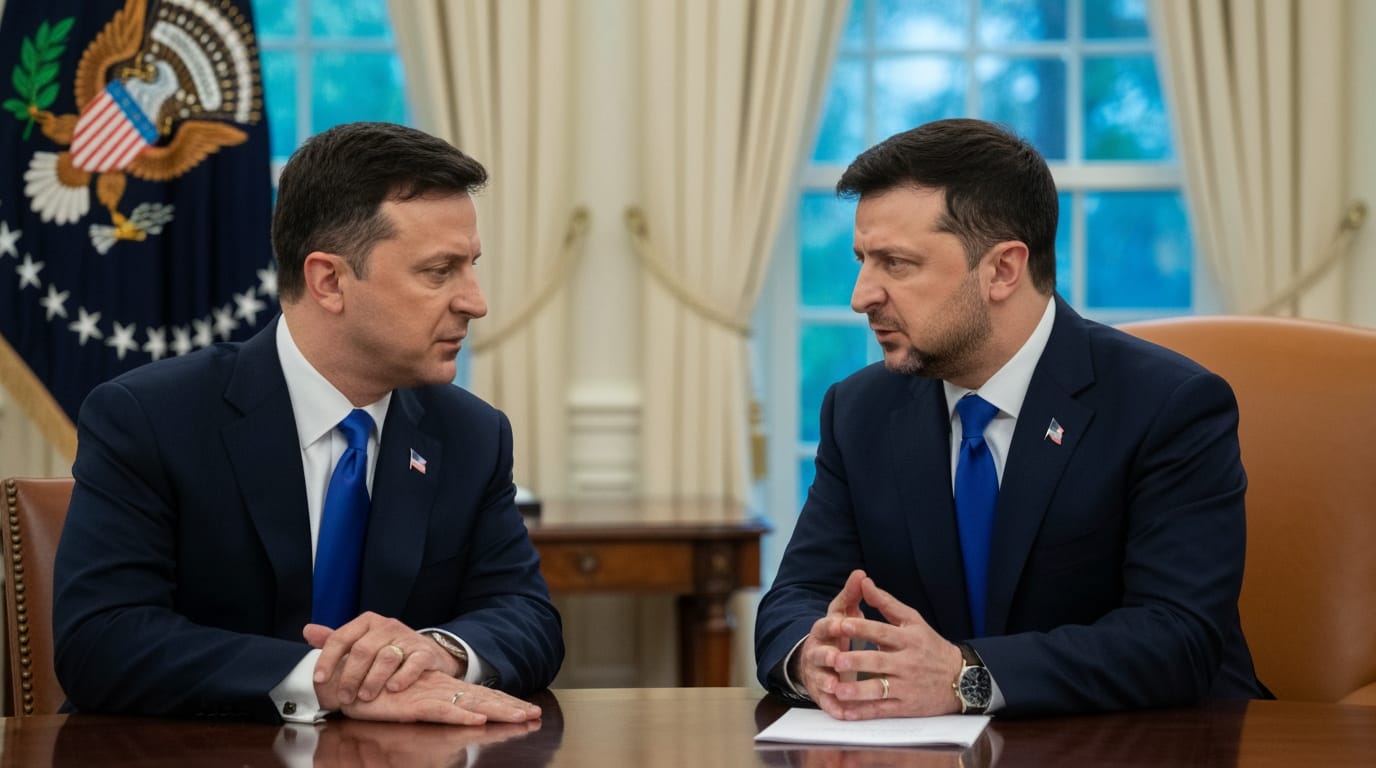
WASHINGTON – Ukrainian President Volodymyr Zelenskyy is scheduled to meet with U.S. President Donald Trump in Florida on Sunday, December 28, 2025, marking the latest chapter in their complex and often contentious relationship. The high-stakes discussion aims to advance a draft roadmap for ending the nearly four-year conflict with Russia, along with proposed security guarantees and economic arrangements for Ukraine. This upcoming summit unfolds against a backdrop of deeply rooted tensions and a recent, publicly fraught encounter earlier this year.
The anticipated meeting follows a period of intense diplomatic activity and significant friction between the two leaders. President Trump, who campaigned on a promise to swiftly conclude the war, has maintained a skeptical stance on U.S. aid to Ukraine and has asserted his ultimate authority over any peace agreement. Zelenskyy, in turn, has expressed a willingness to engage, stressing the urgency of a resolution before the new year.
A History of Strain: From Impeachment to Resumed Aid Scrutiny
The relationship between Donald Trump and Volodymyr Zelenskyy has been characterized by dramatic shifts and underlying distrust since Zelenskyy's election in 2019. Their initial interaction, a July 2019 phone call, became the catalyst for Trump's first impeachment, as allegations arose that Trump pressured the newly elected Ukrainian leader to investigate political rivals in exchange for military aid. Trump consistently denied wrongdoing, labeling the call "perfect". Despite the controversy, Ukraine received U.S. military support during Trump's first term.
Upon his return to office, Trump reiterated his commitment to ending the conflict in Ukraine, often without specifying the details of his "peace plan". His administration signaled a shift in U.S. policy, with some advisers indicating a potential openness to Russia and a reevaluation of Ukraine's NATO aspirations. This approach has created an environment of uncertainty for Kyiv, which relies heavily on international backing to defend against Russian aggression.
The February Blow-Up: A Public Confrontation
The simmering tensions boiled over during a February 28, 2025, meeting in the Oval Office, which devolved into an unprecedented public confrontation. Intended to secure a minerals deal between the U.S. and Ukraine, the encounter instead saw President Trump and Vice President JD Vance openly criticize President Zelenskyy. Accounts describe Trump and Vance repeatedly berating Zelenskyy, at times drowning out his voice. During the contentious exchange, Vance reportedly asked Zelenskyy to "say thank you" to the U.S. for its aid, while Trump questioned the Ukrainian leader's gratitude.
The meeting concluded abruptly, without the anticipated signing of the Ukraine–United States Mineral Resources Agreement. In the aftermath, President Trump suspended the provision of intelligence and military aid to Ukraine for approximately a week, citing a need to "pause and review" assistance to ensure it contributed to a "solution". Trump also took to social media, stating that Zelenskyy was "not ready for Peace" and could "come back when he is ready". The incident drew widespread criticism from nearly all U.S. allies, who voiced support for Zelenskyy and appeared to rebuke Trump's confrontational approach.
The Path to Florida: Renewed Diplomacy and Firm Stances
In the months following the February debacle, diplomatic efforts continued, albeit with renewed caution. Zelenskyy, despite previous reservations about Trump's potential return to the presidency and his proposed "peace plan," expressed readiness to work with any U.S. administration. He invited Trump to Kyiv to present his peace strategy, emphasizing that Ukraine needed to be prepared for any potential risks.
Leading up to the December meeting, U.S. and Russian officials engaged in initial talks in Saudi Arabia and later hosted discussions focused on a potential settlement for the ongoing war. These efforts culminated in a U.S.-led 28-point plan, developed with input from Russian officials, which has since seen significant modification following Ukrainian input. Zelenskyy's team has since refined this into a "90% ready" 20-point peace plan that he intends to present to Trump.
However, the path to peace remains fraught with diverging expectations. Trump recently told Politico that he holds ultimate veto power over any potential Ukraine-Russia peace deal, stating, "He doesn't have anything until I approve it". He also indicated plans to speak with Russian President Vladimir Putin "soon". Russia, for its part, continues to press maximalist demands, including for Ukraine to cede territory in the Donbas region, a condition Kyiv has consistently rejected.
A Pivotal Moment for Ukraine and Global Stability
The upcoming meeting in Florida represents a pivotal moment not only for Ukraine's future but also for broader international relations. Zelenskyy's visit underscores Ukraine's urgent need for continued U.S. support and a clear path toward ending the conflict, potentially involving discussions on the sensitive issues of the Donbas region and the Zaporizhzhia nuclear power plant. The direct engagement between the two leaders could significantly influence the war's trajectory.
For President Trump, the summit offers an opportunity to demonstrate his capacity for diplomacy and exert his influence on the world stage, shaping the narrative around his approach to global conflicts. However, the memory of past confrontations and the deep-seated disagreements over aid, strategy, and respect loom large. The international community, particularly European allies who have voiced concerns about U.S. reliability, will be closely watching the outcome. The fragile peace process, the future of U.S.-Ukraine relations, and the prospects for stability in Eastern Europe all hang in the balance as the two leaders prepare to convene.


