High-Stakes Trilateral Peace Talks Underway in UAE as Ukraine Seeks Path to End Conflict
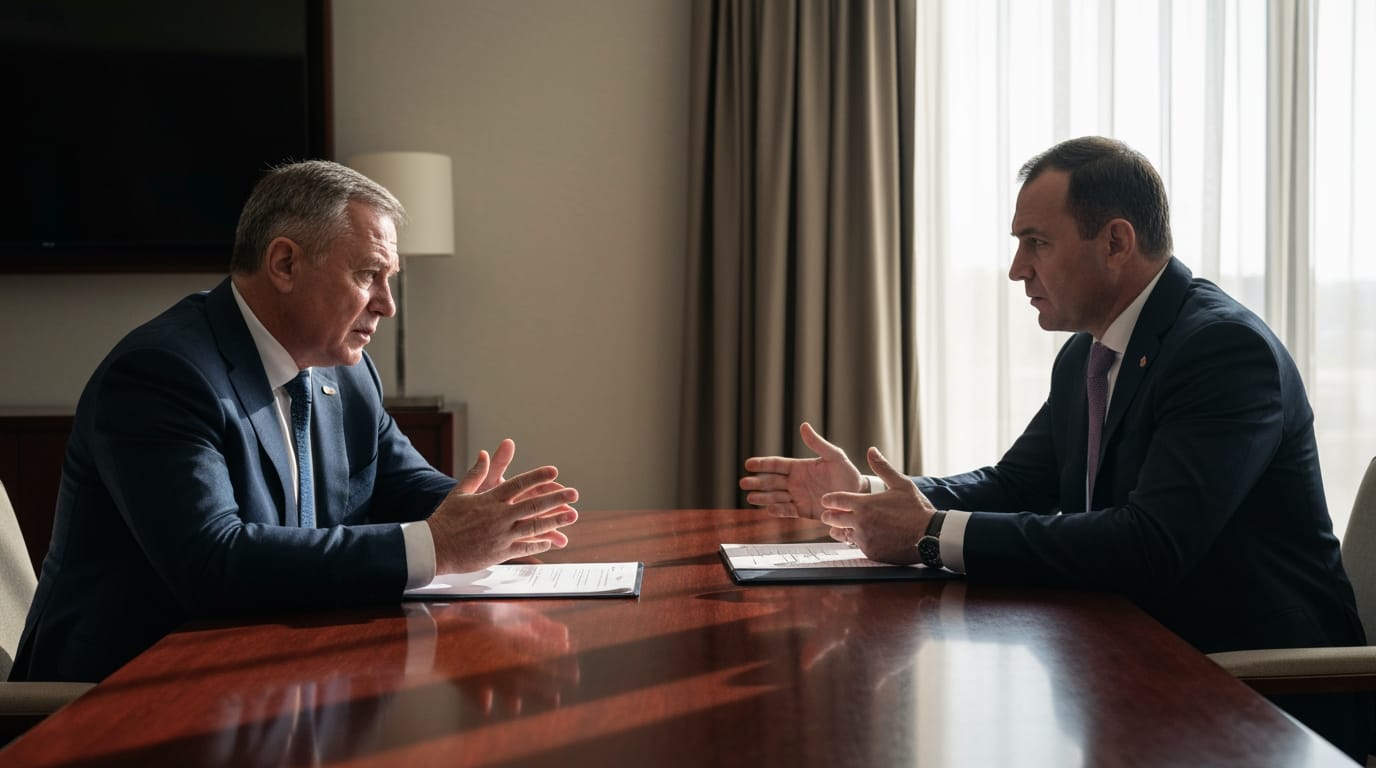
ABU DHABI, UAE – In a significant diplomatic maneuver, the United Arab Emirates is hosting the first-ever trilateral peace talks involving high-level delegations from Ukraine, the United States, and Russia, commencing today, January 23, 2026. These critical discussions, slated to continue through Saturday, mark a rare direct engagement between the warring parties and a major international mediator, aiming to explore potential pathways to de-escalation and a lasting resolution for the nearly four-year-old conflict.
The talks unfold against a backdrop of intensified diplomatic efforts and persistent hostilities, with Ukrainian President Volodymyr Zelenskyy having announced the meeting during his address at the World Economic Forum in Davos, Switzerland. The convening of these discussions in the UAE underscores the growing influence of Gulf states in global mediation, particularly their demonstrated capacity to maintain channels with both Kyiv and Moscow.
The Road to Abu Dhabi: A Complex Diplomatic Landscape
The current trilateral meeting in Abu Dhabi represents a notable shift in diplomatic strategy, following a series of multilateral gatherings that have largely excluded one or both primary belligerents. Previous efforts, such as those held in Jeddah, Saudi Arabia, and Malta in 2023, primarily focused on building international support for Ukraine's ten-point peace formula without direct Russian participation. These earlier summits, while successful in garnering broad international consensus on principles like territorial integrity, underscored the immense challenge of achieving a breakthrough without all key parties at the table.
The United States has actively championed this trilateral format, with US special envoy Steve Witkoff and Jared Kushner playing central roles. Prior to arriving in the UAE, Witkoff engaged in separate talks with Russian President Vladimir Putin in Moscow, signaling a concerted effort to lay groundwork for the broader discussions. This preparatory diplomacy highlights the intricate, often indirect, routes pursued to bring all sides to a negotiating table, even if at a "technical level" as described by President Zelenskyy.
Key Delegations and Points of Contention
Ukraine’s delegation to the UAE includes prominent figures such as National Security and Defense Council Secretary Rustem Umerov, Presidential Office Head Kyrylo Budanov, First Deputy Head of the Presidential Office Serhiy Kyslytsya, the head of the "Servant of the People" faction Davyd Arakhamia, and Chief of the General Staff Andrii Hnatov. The presence of such a senior team underscores Kyiv's recognition of the talks' potential gravity, even while maintaining a pragmatic outlook on immediate breakthroughs.
A central proposal anticipated to be on the table is an "energy truce." This initiative, reportedly discussed between US and Ukrainian officials, would entail a reciprocal halt to strikes on critical energy infrastructure: Russian attacks on Ukraine's power grid in exchange for Ukraine suspending its drone operations against Russia's oil industry. However, observers note the significant hurdle that Russian President Putin views pressure on Ukrainian energy infrastructure as a key leverage point, potentially making his agreement to such a truce unlikely.
Beyond an energy truce, the core issues of the conflict remain deeply entrenched. President Zelenskyy has consistently articulated that a lasting peace requires Russia to be ready for substantial compromises, emphasizing that the current situation is difficult for both nations. The unresolved status of Ukrainian territories currently occupied by Russia represents a fundamental sticking point. Ukraine's comprehensive "Peace Formula" calls for a full withdrawal of Russian troops, restoration of Ukraine's pre-2014 borders, release of prisoners, and robust security guarantees to deter future aggression, among other points. Post-war security guarantees for Ukraine have been agreed upon with the US, though they require ratification.
The Mediator's Role and Geopolitical Stakes
The UAE's role as a host and facilitator is particularly noteworthy. The Gulf state has previously demonstrated its capacity for "niche diplomacy," effectively mediating prisoner exchanges between Russia and Ukraine, having successfully facilitated nine such exchanges since the war began, leading to the repatriation of over 3,200 individuals. This track record positions the UAE as a credible, if often quiet, intermediary in a conflict where trust between the main adversaries is minimal.
The talks also highlight the broader geopolitical currents shaping the conflict. President Zelenskyy, in Davos, openly criticized European allies for what he perceived as a slow and fragmented response to Russia's invasion, suggesting some were in a "Greenland mode," waiting for leadership from the United States. His meeting with US President Donald Trump in Davos, described as "good" by both leaders, preceded the UAE announcement and saw Trump suggest Zelenskyy was prepared to make a deal. This interplay between global powers and regional mediators underscores the multi-faceted nature of peace efforts.
An Uncertain Path Forward
The commencement of trilateral discussions in the UAE offers a glimmer of hope amidst the protracted conflict, representing a rare moment where all key parties are physically present, even at a technical level. While immediate breakthroughs remain uncertain, particularly given the deep-seated disagreements over territorial integrity and security, the mere existence of these talks signifies an ongoing commitment, however fragile, to explore diplomatic solutions. The world watches closely to see if the delicate dance of diplomacy in the desert can lay even the smallest foundation for a path to peace, or if the deeply entrenched positions will prove insurmountable, prolonging the human cost of the conflict.