Historic Deal: Hungary and Ukraine Forge Path Forward, Ending Years of Contentious Divide
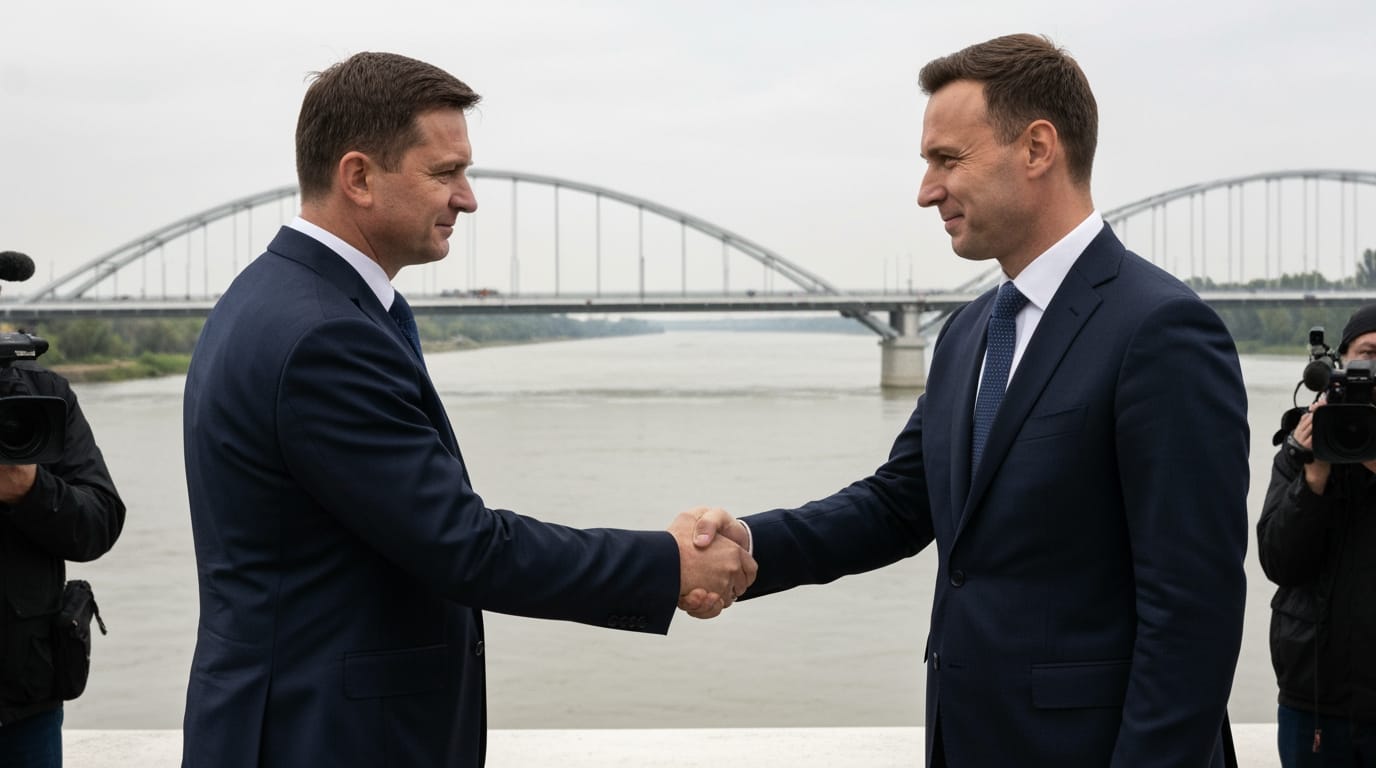
BUDAPEST/KYIV – After years of diplomatic deadlock and escalating tensions, Hungary and Ukraine have reached a landmark agreement concerning the rights of the ethnic Hungarian minority in Ukraine, effectively clearing a significant hurdle for Kyiv's aspirations to join the European Union. The breakthrough, announced on June 3, 2026, by Hungarian Prime Minister Péter Magyar, signals a potential new era in bilateral relations, fostering cooperation where previous administrations saw only contention. This resolution is poised to unlock Ukraine's EU accession talks, a process vital for its post-conflict recovery and long-term stability.
The Landmark Agreement
Prime Minister Magyar declared a "comprehensive agreement" had been secured with Ukraine, focusing on expanding the linguistic, educational, cultural, and political rights of the approximately 100,000 to 150,000 ethnic Hungarians residing in Ukraine's western Transcarpathia (Zakarpattia) region. This accord follows several weeks of intensive expert-level talks between Budapest and Kyiv, involving representatives from Hungarian community organizations and churches in Transcarpathia.
Under the terms of the agreement, Ukraine has committed to amending its secondary education laws and broadening various rights for its national minorities. Key provisions include allowing students in minority language classes to use their native language for communication with peers and teachers. Educational institutions with such classes will be eligible for "minority school" status, enabling them to display signs and public information in the relevant minority language. Furthermore, principals or deputy principals in these schools will be required to possess knowledge of the minority language.
The agreement also stipulates that educational certificates and diplomas can be issued in minority languages upon parental request. Graduates from minority language programs will be permitted to use translated versions of external independent testing, with the exceptions of Ukrainian language and history examinations. Beyond education, the pact addresses social, political, and cultural rights, empowering local authorities in areas with significant minority populations to mandate minority language proficiency for employees and facilitate communication with local government in minority languages. The display of Hungarian national symbols will also be permitted in Transcarpathian municipalities where the Hungarian population exceeds 10%, provided they do not conflict with Ukrainian legislation or visually dominate state symbols. Ukraine intends to implement some commitments this year, particularly in the education sector, with further legislative amendments anticipated through 2026 and 2027.
Decades of Discord
The relationship between Hungary and Ukraine has been fraught with difficulties since the early 1990s, particularly concerning the status of the Hungarian minority in Transcarpathia. While initial relations were largely positive, a significant deterioration occurred following Ukraine's enactment of language laws after the 2014 annexation of Crimea. The 2017 education law, which mandated Ukrainian as the primary language of instruction beyond the fifth grade, became a central point of contention. Hungary consistently argued that these laws infringed upon the rights of its ethnic minority, limiting access to education in their native tongue.
Budapest, under former Prime Minister Viktor Orbán, responded to these perceived infringements by repeatedly blocking Ukraine's progress towards Euro-Atlantic integration, including its bids for NATO and European Union membership. This stance created a significant political stalemate within the 27-member EU, with Hungary using its veto power to obstruct various initiatives related to Ukraine. The dispute, described by some as a "larger political game" between Budapest and Kyiv, often overshadowed the actual conditions on the ground for the minority community.
Geopolitical Catalysts and Shifting Tides
The recent agreement marks a notable departure from previous patterns of engagement and is largely attributed to a change in Hungarian leadership. Prime Minister Péter Magyar, who assumed office earlier this year, has adopted a more conciliatory approach compared to his predecessor. Magyar publicly stated that his government achieved in three weeks what Orbán's administration could not accomplish in a decade. This shift in Budapest's foreign policy has been instrumental in unblocking the pathway for Ukraine's EU integration.
For Ukraine, securing this agreement is crucial, especially as it seeks to solidify its European future amid ongoing geopolitical challenges. EU accession is a strategic priority for Kyiv, promising economic development, strengthened democratic institutions, and enhanced security. The European Commission has welcomed the agreement, hailing it as an important step forward for Ukraine's membership bid and paving the way for the opening of fundamental clusters for both Ukraine and Moldova. All 27 EU member states have now given their approval for the opening of the first cluster of accession negotiations. This formal step is anticipated to take place around June 15 or 16, a critical milestone after a two-year freeze.
Looking Ahead
While the agreement signifies a major diplomatic achievement, its full implementation and long-term implications will require sustained effort from both sides. Hungary's Prime Minister Magyar has affirmed that Budapest will support the opening of the first negotiating cluster for Ukraine's EU accession, contingent on the agreed-upon measures being codified into Ukrainian law and reflected in its EU action plan.
However, the path to full EU membership remains extensive and complex. Magyar has reiterated his opposition to any fast-tracking of Ukraine's accession. He also introduced a conditional clause: if Ukraine successfully closes all 33 accession chapters within 10 to 15 years, Hungary will then hold a legally binding national referendum on the issue. This provision suggests that while immediate obstacles have been removed, Hungary reserves potential future veto points. One outstanding issue, the parliamentary representation for national minorities, remains unresolved and will be subject to further discussion with international bodies like the Venice Commission and the Organization for Security and Co-operation in Europe.
Despite these future considerations, the current agreement represents a significant diplomatic triumph. It demonstrates a willingness by both Hungary and Ukraine to prioritize dialogue and compromise, moving past long-standing grievances to forge a more constructive bilateral relationship. The successful implementation of this agreement could serve as a model for resolving similar minority rights disputes in the region, ultimately contributing to greater stability and cooperation across Eastern Europe.
Conclusion
The historic deal between Hungary and Ukraine transcends a mere bilateral agreement; it is a testament to persistent diplomacy and a mutual desire for progress. By addressing the contentious issue of minority rights, Budapest has lifted its veto, unlocking Ukraine's immediate path toward European Union accession negotiations. This pivotal moment not only heralds a new chapter in the relationship between the two nations but also strengthens the broader European project, demonstrating that complex disputes can be resolved through negotiation, even amidst challenging geopolitical landscapes. The world will now watch as both Kyiv and Budapest work to implement the terms of this accord, hoping it paves the way for lasting understanding and cooperation.


