Historic Paris Summit Seeks Concrete Security Pledges for Ukraine Amid Escalating Conflict
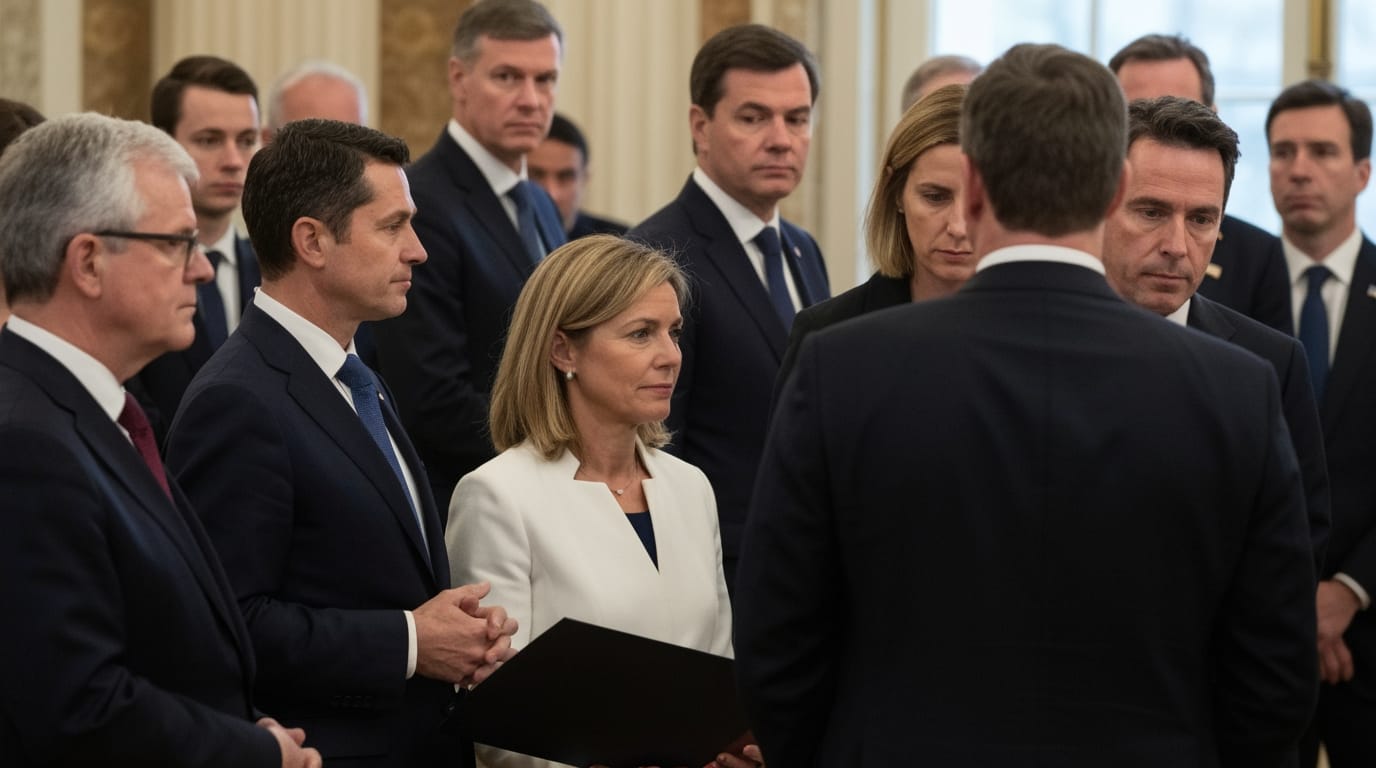
PARIS, France – In a pivotal gathering aimed at solidifying Ukraine's long-term security, European leaders converged in Paris today with top American envoys and Ukrainian President Volodymyr Zelenskyy to translate broad political commitments into tangible defense assurances. The high-stakes summit, involving representatives from over 30 Western nations, seeks to establish robust guarantees designed to deter future Russian aggression and lay the groundwork for a durable peace in Europe, even as fighting intensifies on the ground.
The meeting, hosted by French President Emmanuel Macron, underscores a renewed urgency among allies to present a united and credible front as diplomatic efforts to end the nearly four-year conflict gain momentum. Participants are focusing on critical details of military and political support, with an eye toward a potential ceasefire and the eventual reconstruction of Ukraine.
The Architecture of Future Security
At the heart of the Paris discussions is the intricate architecture of security guarantees for Ukraine. These commitments are designed to protect Ukraine from further incursions should a peace agreement be reached with Russia. President Zelenskyy is a key figure, pushing for comprehensive and long-lasting assurances that would effectively prevent a repeat of the current conflict. Leaders are examining ways to provide Ukraine with sustained military training, advanced weaponry, and robust intelligence support.
A significant component under consideration is the potential deployment of a multinational peacekeeping force. French President Emmanuel Macron, along with leaders from the United Kingdom and Turkey, has been a proponent of this measure. Initial estimates suggest such a force could comprise between 15,000 and 20,000 troops, with some proposals envisioning up to 30,000 personnel operating under a "safe sea, sky and land" mandate. The specifics of troop contributions, rules of engagement, and the geographical scope of deployment remain central to ongoing negotiations. While some countries have expressed willingness to commit forces, President Zelenskyy acknowledged that many nations would require parliamentary approval, highlighting the complexities involved in such a major undertaking.
American Engagement and European Concerns
The presence of US Special Envoy Steve Witkoff and President Donald Trump's adviser Jared Kushner signals Washington's continued, albeit evolving, role in brokering a peace deal. The US has reportedly offered a 15-year framework for security guarantees, a timeline Ukrainian officials and some European partners are keen to extend, seeking commitments that could span decades. Discussions held earlier this week between US and Ukrainian military general staffs have already led to the agreement of a bilateral military document outlining security provisions. This bilateral progress is now being aligned with broader European commitments to forge a cohesive security package.
European partners have expressed a desire for clarity regarding long-term US involvement, particularly as the Trump administration's foreign policy focus has reportedly broadened to include other global flashpoints like Venezuela. This shift has injected a degree of uncertainty into the Ukraine peace process, even as European leaders strive to cement their own contributions and ensure a unified Western stance. French officials emphasized that the Paris meeting aims to showcase the "alignment" between Washington, Kyiv, and European allies on security guarantees.
Kyiv's Diplomatic Push Amidst Continued Hostilities
Ukrainian President Volodymyr Zelenskyy arrived in Paris following a significant reshuffle within his nation's security establishment, including the appointment of Kyrylo Budanov as the head of the Office of the President and a new acting head for the Security Service of Ukraine (SBU). These changes are part of an effort to streamline the administration and sharpen Ukraine's defense posture, whether peace talks succeed or the conflict continues.
Zelenskyy has indicated that a US-brokered peace plan is "90% agreed," a sentiment echoed by Ukraine's chief negotiator, Ruslan Umerov. However, the remaining 10% reportedly includes contentious issues, primarily territorial disputes concerning the Donbas region and the Zaporizhzhia nuclear power plant. Russia, for its part, has consistently shown little willingness to compromise on territorial issues, a stance that complicates any peace settlement.
The Paris summit unfolded against a backdrop of continued Russian aggression. On the eve of the talks, Russian drone strikes in Ukraine killed two people and caused power outages in freezing temperatures. A private medical facility in Kyiv was hit, leading to one fatality and three injuries. Such attacks underscore the ongoing humanitarian cost of the conflict and the urgent need for a robust security framework to protect Ukrainian civilians.
Charting a Course Through Complexities
The gathering of 35 countries, including 27 heads of state, represents a powerful display of international resolve to support Ukraine. French President Macron asserted that 26 countries have already agreed to participate in post-war security guarantees for Ukraine. The leaders are expected to endorse detailed military planning that is already underway, including potential contributions to a multinational force. They will also discuss mechanisms for stronger support for Ukraine and increased pressure on Russia if negotiations falter.
While the "Coalition of the Willing" aims to solidify a clear path forward, thorny issues persist. Russia has rejected the idea of European troops on Ukrainian soil and has insisted that a ceasefire cannot occur until a comprehensive settlement is agreed upon, signaling the high hurdles that remain. The effectiveness of these new security commitments will ultimately hinge on the steadfast follow-through of the allied nations and Moscow's response to a more unified and concrete Western position. The Paris summit marks a critical juncture in the ongoing efforts to secure a lasting peace and safeguard Ukraine's sovereignty in a volatile geopolitical landscape.