Holi: The Vibrant Festival of Colors Sweeps Across India and Beyond
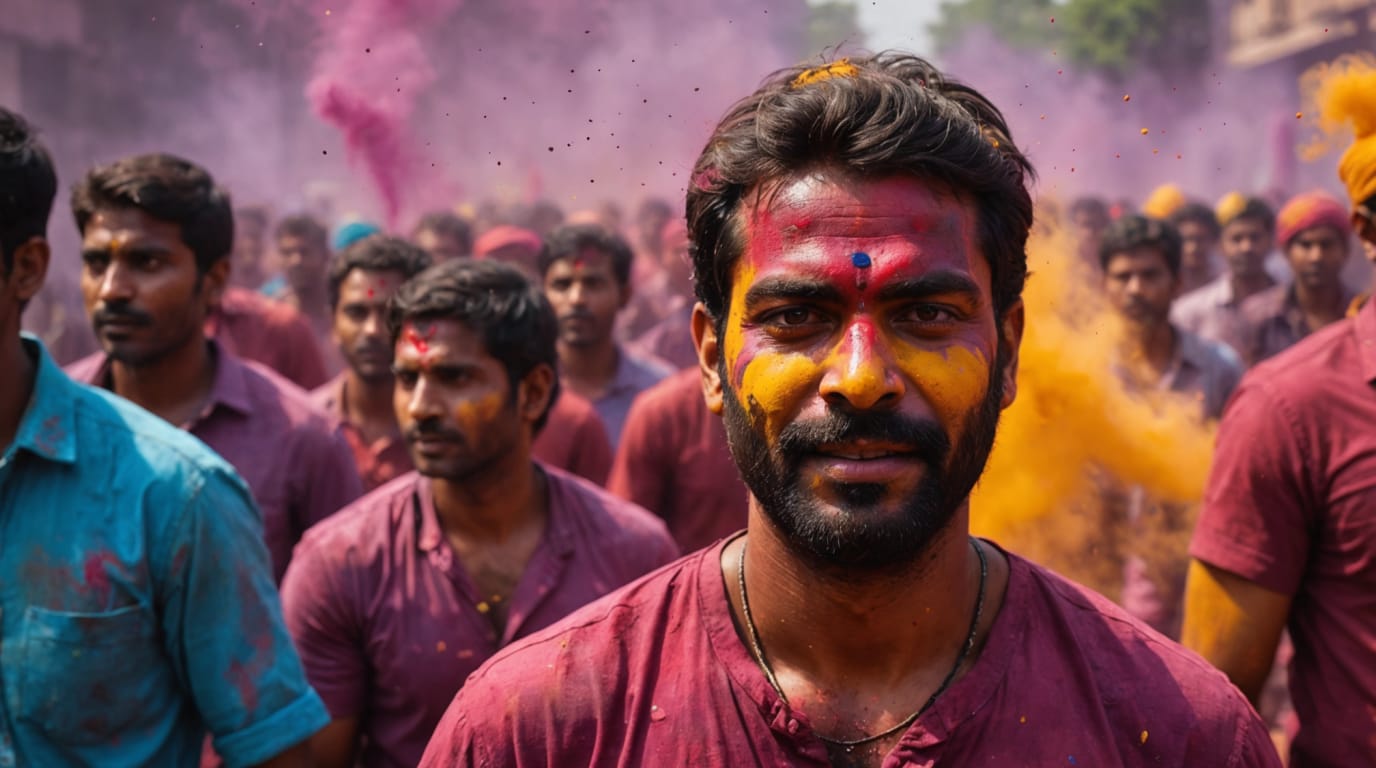
Holi, the exuberant festival of colors, heralds the arrival of spring and the triumph of good over evil, captivating communities across India, Nepal, and increasingly, the globe. More than just a vibrant spectacle, Holi is a celebration steeped in rich history, mythology, and cultural significance, uniting people in a joyous explosion of color, music, and dance.
A Lunar Celebration of Spring
Holi's timing is dictated by the lunar calendar, falling on the full moon day in the Hindu month of Phalguna, typically in February or March. This positioning marks the end of winter and the blossoming of spring, mirroring the themes of renewal and rebirth central to the festival. The vibrant colors that define Holi are symbolic of the vivid hues of the spring season, representing new beginnings, energy, and joy. The festival is celebrated for as long as 16 days in the Braj region, the birthplace of Lord Krishna.
The Legend of Holika and Prahlad
One of the most prominent stories behind Holi is the legend of King Hiranyakashipu, his son Prahlad, and the demon Holika. Hiranyakashipu, an evil king, demanded worship from all his subjects, but his son Prahlad remained devoted to Lord Vishnu. Enraged, Hiranyakashipu enlisted the help of his sister, Holika, who possessed immunity to fire, to kill Prahlad. Holika lured Prahlad onto a pyre, but through his unwavering devotion to Vishnu, Prahlad was saved while Holika was consumed by the flames. This tale symbolizes the victory of good over evil, a core theme celebrated during Holi. Bonfires are lit the night before Holi to commemorate this event, with people seeking forgiveness and praying for the removal of obstacles.
Colors of Unity and Forgiveness
The throwing of colored powder, known as "gulal," is the most iconic aspect of Holi. Traditionally, these colors were derived from natural sources like turmeric, beetroot, spinach, and indigo, aligning with Ayurvedic principles and offering potential skin benefits. Today, while synthetic colors are also used, the essence remains the same: to cover friends, family, and even strangers in a vibrant spectrum of hues. Each color carries its own significance, with red symbolizing love and fertility, blue representing Krishna, and yellow signifying happiness and peace. Beyond the fun and playful chaos, the colors represent unity, forgiveness, and the dissolving of social barriers. It's a time to let go of grudges, forgive past transgressions, and strengthen bonds with loved ones.
Beyond Colors: Music, Dance, and Feasting
Holi is not just about colors; it's a multi-sensory experience that includes music, dance, and traditional food. Bhangra, a lively and energetic dance form originating in the Punjab region, is often performed during Holi, adding to the festive atmosphere. Traditional folk songs and Bollywood hits are also integral to the celebrations. Food plays a crucial role, with families preparing special dishes like "gujiya" (a sweet pastry filled with nuts and raisins), "malpua" (fried sweet pancakes), "kachoris" (stuffed breads), and "laddoos" (dessert balls). A traditional Holi drink is "bhang," made from cannabis leaves. These culinary traditions add another layer of richness to the Holi experience.
A Global Celebration
While deeply rooted in Hindu tradition, Holi's appeal has transcended geographical boundaries, with celebrations now taking place in various parts of the world. The joyous spirit of the festival, the vibrant colors, and the message of unity and forgiveness resonate with people from all backgrounds. From large-scale public events to smaller, community-based gatherings, Holi is increasingly becoming a global phenomenon, spreading its message of love, joy, and togetherness.
Holi, the festival of colors, is a powerful reminder of the enduring human spirit's capacity for joy, forgiveness, and unity. As the vibrant colors wash over communities, they carry with them the promise of spring, the triumph of good over evil, and the enduring bonds of human connection. Whether celebrated in the bustling streets of India or in a small gathering abroad, Holi continues to spread its message of love, laughter, and the vibrant beauty of life.