Holiday Blizzard Paralyzes New York City, Stranding Thousands During Post-Christmas Travel
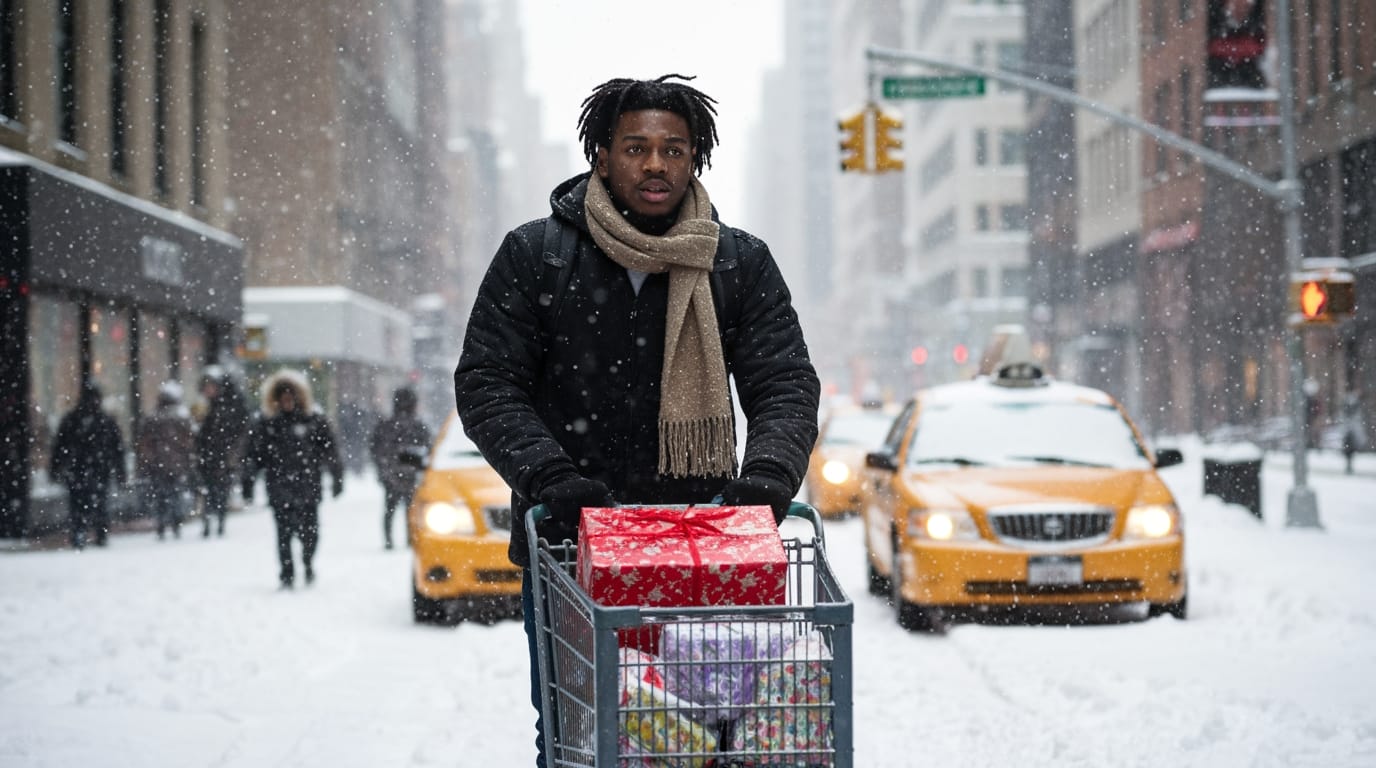
NEW YORK, NY – A ferocious blizzard blanketed New York City and the wider Northeast region during the post-Christmas holiday season in late December 2010, unleashing over two feet of snow and hurricane-force winds that brought travel to a grinding halt and left thousands stranded. The "Boxing Day Blizzard," as it became known, transformed the bustling metropolis into a snow-choked landscape, triggering widespread airport closures, paralyzing ground transportation, and eliciting sharp criticism of the city's emergency response.
The Holiday Blizzard's Fury Descends
The powerful nor'easter struck on December 26, 2010, the day after Christmas, catching many by surprise with its intensity. While early forecasts had suggested only moderate snowfall, the National Weather Service issued a blizzard warning on December 25, predicting 11 to 16 inches. However, the storm far exceeded expectations, with Central Park officially recording 20 inches of snow, marking it as the sixth-largest snowfall on record for the location. Some areas in the New York metropolitan area, including parts of Brooklyn and Staten Island, and much of central and northeastern New Jersey, saw accumulations between 20 and 30 inches, with isolated totals exceeding 32 inches. The snow fell at an extraordinary rate, sometimes exceeding 2 to 3 inches per hour, accompanied by sustained winds of 30 to 45 miles per hour and gusts topping 60 miles per hour. These conditions created widespread whiteouts and massive snow drifts, some as high as seven feet, making visibility nearly impossible and roads impassable. The rare meteorological phenomenon known as "thundersnow" was also observed in parts of Manhattan and northeastern New Jersey, adding to the storm's dramatic intensity.
A City Stranded: Travel Comes to a Halt
The blizzard's timing, falling on a busy holiday weekend when many were traveling home or embarking on new journeys, amplified its disruptive impact. Air travel across the Northeast was severely affected, with New York's three major airports – John F. Kennedy International, LaGuardia, and Newark Liberty International – completely shutting down. Over 3,000 flights were canceled, primarily from these hubs, stranding tens of thousands of passengers in terminals and on grounded planes for days. Photos from the period depicted planes encased in snow and travelers camping out in airport lounges, desperately seeking updates on their delayed or canceled flights.
Ground transportation fared no better. Within the city, nearly all roads, save for major arteries, became impassable due to heavy snowfall and deep drifts. Hundreds of city buses became stuck in the snow, many abandoned by their drivers. The sight of deserted cars and buses became a common, stark image of the city's paralysis, and these abandoned vehicles subsequently hindered snow removal efforts by blocking pathways for plows. Regional highways in New Jersey, including Interstates 78, 80, and 280, experienced severe congestion, accidents, and closures. Public transportation systems, crucial for millions of New Yorkers, also buckled under the storm's weight. The Metropolitan Transportation Authority (MTA) operated on a severely limited schedule, with many above-ground subway lines ceasing operation. Dozens of Long Island Rail Road (LIRR) trains were frozen onto platforms, and Amtrak's Acela Express and Northeast Regional services were entirely suspended between Boston and New York. In one particularly harrowing incident, hundreds of commuters found themselves trapped on subway trains overnight, unable to disembark or reach their destinations. New Jersey Transit also suspended bus services and several rail lines, leaving thousands without options.
City's Response Under Scrutiny
The city's handling of the December 2010 blizzard drew widespread public outcry and sharp criticism from residents and officials alike. Mayor Michael Bloomberg's administration faced intense scrutiny for what many perceived as a sluggish and inadequate response. A preliminary review conducted by the Mayor's Office of Operations identified several critical issues, including the initial decision not to declare a "snow emergency," which would have implemented stricter rules for private vehicle usage and parking on snow routes.
The review also highlighted a significant lack of real-time information regarding street conditions, which hampered the effective deployment of snow removal resources. Streets in many boroughs, particularly in outer areas like Staten Island and parts of Brooklyn, remained unplowed and impassable for days after the snowfall ceased. The 911 emergency system became severely overburdened, with a backlog of over a thousand calls for assistance by the night of December 26, including medical emergencies where ambulances struggled to navigate snow-choked streets. Critics pointed to factors such as reduced staffing levels in the Sanitation Department, potentially due to budget cuts, as contributing to the delayed response. The rapid rate of snowfall and the unexpected ferocity of the storm, combined with the holiday weekend traffic, also presented unprecedented challenges for city planners and emergency services.
The Lingering Aftermath and Lessons Learned
The recovery from the Boxing Day Blizzard was slow and arduous. While some limited public transit services began to resume on Tuesday, it took until Thursday for the subway system to return to full service and Friday for the LIRR. The city paid out more than $1.8 million in claims related to the storm's aftermath, covering everything from personal injuries due to icy conditions to property damage caused by snow removal efforts.
In the wake of the extensive criticism, the city undertook a comprehensive review of its emergency preparedness and response protocols. Significant changes were implemented to prevent a recurrence of the 2010 failures. The Department of Sanitation equipped its trucks with Global Positioning System (GPS) devices, enabling real-time tracking and more efficient deployment of plows. Two-way communication systems were enhanced, and teams of observers with video cameras were dispatched during storms to provide live feeds of street conditions to emergency commanders. The city also revised its emergency declaration protocols and worked to improve the capacity and information dissemination of its 311 hotline. These lessons were cited by city officials in subsequent snow events, demonstrating a commitment to better preparedness.
The Boxing Day Blizzard of 2010 stands as a memorable chapter in New York City's history, a powerful reminder of nature's unpredictable force and the complex challenges of urban disaster management. It transformed a festive holiday period into one of widespread disruption and frustration, forcing the city to re-evaluate and fortify its resilience against the winter's unpredictable fury.