Hollywood's Night of Conscience: Political Messages Resonate at the 98th Academy Awards
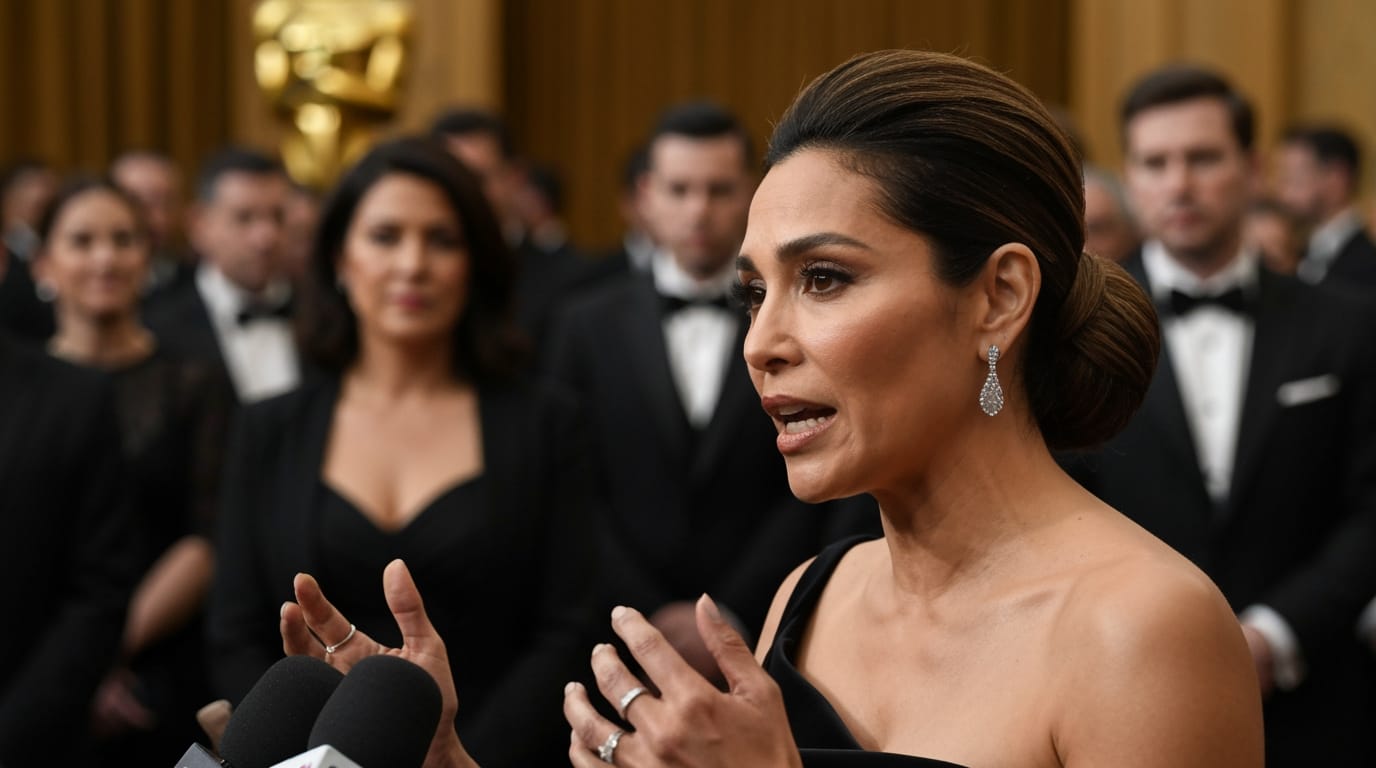
Los Angeles, CA – The 98th Academy Awards, held on Sunday, March 15, 2026, transformed from a traditional celebration of cinematic achievement into a potent platform for political and social commentary, reflecting a global landscape marked by conflict and domestic tensions. While host Conan O'Brien's opening monologue playfully warned of a potentially political evening, the ceremony delivered on that promise with an unusual degree of polemic, as filmmakers and stars used their highly visible platform to address pressing global conflicts, U.S. immigration policy, gun violence, and concerns over artificial intelligence. The evening underscored a growing trend of artists leveraging their influence to speak out on issues resonating far beyond the silver screen.
The Echo of Global Conflicts: Gaza, Palestine, and the Call for Peace
The most direct and widely noted political statements of the night centered on the ongoing conflict in Gaza and the broader Israeli-Palestinian issue. Spanish actor Javier Bardem delivered one of the evening's most resonant moments, declaring "No to war, and free Palestine" while presenting the award for Best International Feature Film, a statement met with immediate applause inside the Dolby Theatre. Bardem, who wore a "No a la guerra" patch and a Handala pin—a symbol of Palestinian identity—on the red carpet, overtly expressed sentiments widely shared among a segment of Hollywood.
This sentiment was amplified by the presence of "Artists4Ceasefire" pins worn by attendees, signaling a unified call for an end to hostilities. The nomination of "The Voice of Hind Rajab," a film about a five-year-old Palestinian girl killed in Gaza, further brought the human toll of the conflict into sharp focus, with its representatives using their presence to advocate for peace. Norwegian director Joachim Trier, accepting the Best International Feature award for "Sentimental Value," invoked James Baldwin in a powerful speech about society's collective responsibility to protect children, urging against supporting politicians who neglect this duty—a message that carried particular weight given the film's category inclusion alongside the Gaza-themed nominee. The broader conflict in the Middle East, including the U.S.-Israeli war against Iran, also cast a shadow over the ceremony, with several nominated artists having previously voiced support for Palestinians or criticism of the Israeli occupation.
Domestic Disquiet: U.S. Politics and Immigration in the Spotlight
Beyond international affairs, the 98th Academy Awards also served as a forum for commentary on pressing U.S. domestic issues, particularly regarding immigration and leadership. Host Conan O'Brien, alongside other presenters, skillfully employed oblique jabs at the current U.S. administration and its policies, avoiding direct mentions of President Donald Trump by name but making their critiques clear. O'Brien, for instance, humorously targeted Trump's tendency to name institutions after himself.
The political undertones extended to the evening's cinematic achievements. Paul Thomas Anderson's "One Battle After Another," which secured six Academy Awards including Best Picture, captivated audiences with its narrative about a rebel group fighting an authoritarian government that systematically detains immigrants. This artistic exploration of political themes was echoed in the acceptance speech of David Borenstein, co-director of the Best Documentary Feature winner "Mr Nobody Against Putin." Borenstein drew pointed parallels between the authoritarianism depicted in his film, which explores how a country can be lost through "countless small, little acts of complicity," and current events in the U.S. He spoke of governmental complicity in "murdering people on the streets" and the dangers of oligarchs controlling media, urging a moral choice against such forces. Furthermore, "ICE Out" pins, while less prevalent than at prior awards, were worn by some artists, signaling continued opposition to Immigration and Customs Enforcement policies.
Addressing Social Scourges: Gun Violence and the Rise of AI
The ceremony also brought critical social issues to the forefront, notably the pervasive impact of gun violence and the burgeoning concerns surrounding artificial intelligence. One of the night's most emotionally charged moments came from Gloria Cazares, a subject of the documentary short "All the Empty Rooms." The film powerfully depicts the empty bedrooms of children lost to school shootings. In her acceptance speech, Cazares highlighted the grim statistic that gun violence has become the leading cause of death for children and teenagers in the U.S., suggesting that a widespread visualization of these empty rooms could profoundly alter the national discourse.
Separately, the technological advancements shaping and potentially threatening the film industry were acknowledged. Actor and comedian Will Arnett, while presenting awards for animated features, made a statement that resonated with many in Hollywood: "Tonight, we celebrate people, not AI," a clear nod to the industry's anxieties about artificial intelligence and its potential impact on creative jobs and intellectual property. This reflected a widespread concern within the entertainment community regarding the balance between innovation and human artistry.
A Renewed Call for Engagement: Hollywood's Enduring Role
The 98th Academy Awards marked a distinct shift in Hollywood's willingness to engage with the world's most pressing issues. While some ceremonies in the past have been criticized for a perceived retreat from overt political commentary, the 2026 Oscars saw a "return to form" for artists' political engagement, according to political organizers. This renewed activism was not confined to acceptance speeches; the very narratives of nominated films, such as "One Battle After Another" and "Sinners"—an unapologetically Black horror film and Best Picture frontrunner that also celebrated Black culture—demonstrated a commitment to exploring social themes like inequality, racial injustice, and threats to democracy.
The Academy itself has been undergoing significant changes, expanding its membership by 40% in recent years to enhance diversity, with a substantial increase in people of color and women among new invitees. This internal shift may contribute to a more representative and socially conscious body of work and commentary. Speeches throughout the evening, including that of Best Actor winner Michael B. Jordan for "Sinners," frequently highlighted themes of inclusion and acknowledged the trailblazers who paved the way for future generations.
In a world grappling with escalating conflicts, political polarization, and societal challenges, the 98th Academy Awards served as a vivid reminder that the intersection of art and advocacy remains a powerful force. This year's ceremony transcended mere entertainment, offering a global stage for impassioned pleas for peace, justice, and humanity, leaving audiences to ponder not just the cinematic triumphs, but also the profound issues that continue to shape our collective experience.


