Hope Takes Root on Hallowed Ground: Sports Bring Solace to Lebanon's Displaced
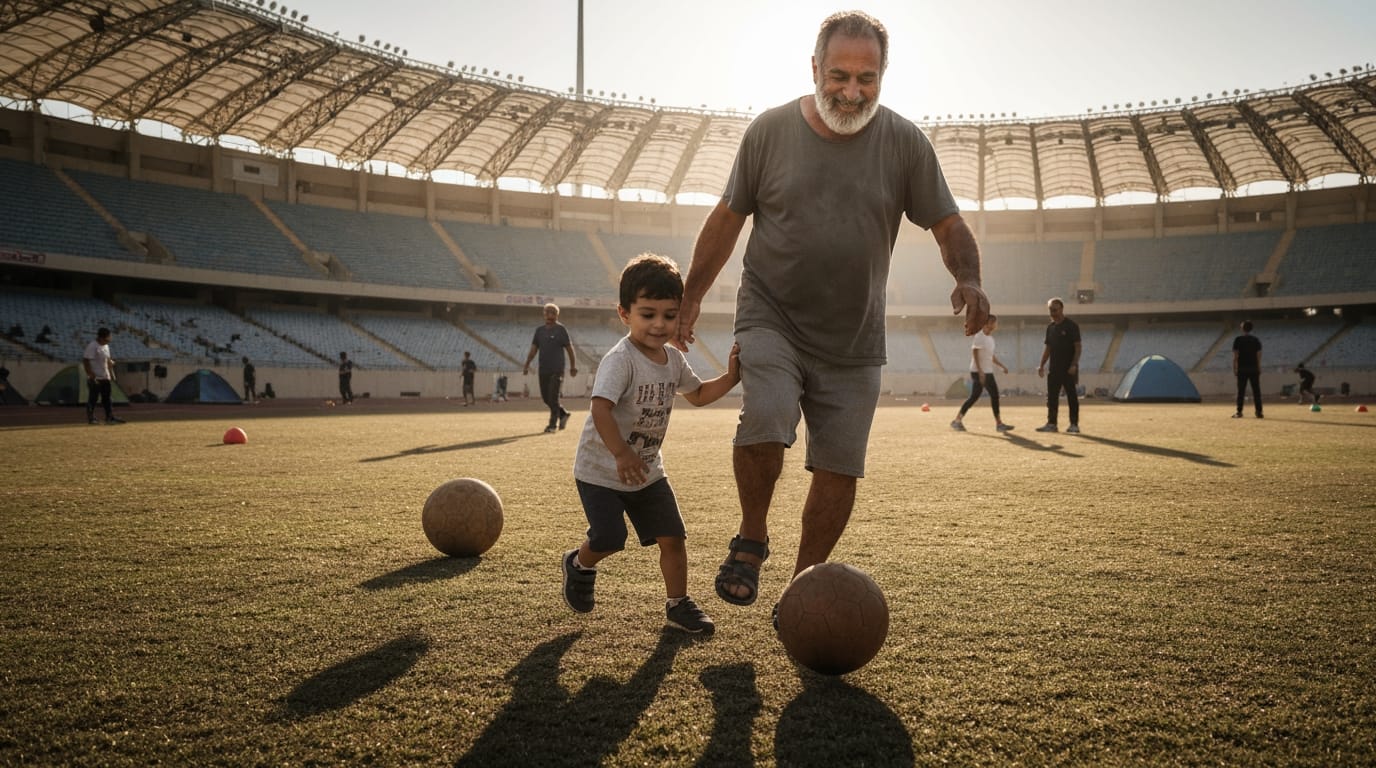
BEIRUT – Amidst the stark concrete and echoing grandstands of Beirut's Camille Chamoun Sports City Stadium, a powerful transformation is underway. Once a vibrant arena for athletic triumphs, the stadium has become an emergency shelter for thousands of Lebanese families displaced by escalating violence and Israeli airstrikes. In this unlikely sanctuary, amidst the profound challenges of displacement, the simple act of play and structured physical activity is offering a crucial lifeline, particularly for children and youth, helping them navigate immense psychological and emotional trauma.
A Nation Upended: The Escalating Displacement Crisis
Lebanon is grappling with a rapidly intensifying humanitarian crisis. Recent Israeli airstrikes targeting South Lebanon, the Bekaa Valley, and Beirut's southern suburbs have forced hundreds of thousands of residents from their homes, seeking refuge in safer regions. As of early March, Minister of Social Affairs Hanine Sayed reported more than 112,000 displaced individuals residing in 514 official shelter centers nationwide. An additional 454,000 people had registered through the government's relief platform, underscoring the vast scale of the displacement. With most government shelters, often public schools, reaching full capacity, authorities have been compelled to convert unconventional spaces like sports stadiums and bus stations into temporary havens. The Camille Chamoun Sports City Stadium, a historic venue that has witnessed the twists and turns of Lebanon's troubled past, and a covered football stadium in Haret Saida, are now central to these efforts.
Life in the Grandstands: Challenges and Dignity
Inside these converted sports facilities, daily life presents a myriad of challenges. Rows of tents now fill concourses where sports fans once queued, and families sleep on thin mattresses spread across concrete. Conditions are often basic, marked by limited sanitation and a profound lack of privacy. Displaced residents, like Abdallah Abu Gharib, who initially slept in the stadium's car park before gaining entry, grapple with the harsh realities of their new environment. The constant noise, particularly under bridges in areas like Sports City, further erodes any sense of normalcy.
The situation is particularly acute for individuals with disabilities. Fatima Nazli, a 62-year-old wheelchair user sheltering at Camille Chamoun Sports City, described the ordeal of navigating poorly adapted facilities, relying on Red Cross volunteers for assistance with basic needs like accessing bathrooms. While two access ramps and four accessible toilets were recently installed in one section of the stadium, the overall lack of accessible shelters highlights a significant gap in humanitarian response, as pointed out by Sylvana Lakkis, head of the Lebanese Union for People with Physical Disabilities. Despite these hardships, many displaced individuals strive to maintain a sense of dignity and community, creating symbolic villages within their temporary encampments and cherishing connections to their lost homes.
The Healing Power of Movement: Sports as a Coping Mechanism
In this environment of instability and loss, sports have emerged as a powerful tool for resilience and psychological well-being. At Camille Chamoun Sports City Stadium, a 65-year-old coach teaches martial arts to displaced children, offering a structured outlet for their energy and emotions. The martial arts sessions provide a much-needed sense of routine and normalcy, fostering discipline, confidence, and a momentary escape from the grim realities of their displacement. For children who have witnessed unimaginable trauma, the focus and physical exertion inherent in martial arts can be profoundly therapeutic.
Beyond the stadiums, organizations like Anera have long recognized the transformative potential of sports for at-risk youth in Lebanon's refugee communities. Since 2010, Anera has been renovating playing fields, building capacity for sports clubs, hosting workshops, and training community leaders to sustain sports programs. Their initiatives, which emphasize gender inclusion, provide safe havens where Syrian, Palestinian, and Lebanese children and teenagers can engage in activities, build camaraderie, and momentarily forget the tensions and hardships that define their daily lives. The distribution of sports gear and uniforms, as seen with the Wahdeh Soccer Club, instills a sense of belonging and teamwork, vital for those who have experienced fragmentation and loss. As Coach Khalil Monsour of the Wahdeh Soccer Club noted, "A sports jersey may not mean much to others, but for these children, who come from fragmented communities and are constantly faced with challenges, it helps them create a sense of belonging and community."
Building Resilience, Fostering Hope
The integration of sports and physical activity into humanitarian aid efforts within Lebanon's displaced communities underscores a critical understanding of holistic well-being. These programs offer more than just physical exercise; they address the deep psychological and social needs of individuals uprooted by conflict. They provide a semblance of normalcy, a platform for expression, and an opportunity for children to simply be children, even in the most trying circumstances. The shouts of children playing, even in a stadium turned shelter, serve as a testament to the enduring human spirit and the vital role that such initiatives play in fostering resilience and planting seeds of hope for a future beyond displacement.
As Lebanese authorities and international organizations continue to grapple with the immense challenges of providing shelter, food, and basic services, the focus on psychosocial support through activities like sports remains paramount. Minister Sayed and other officials continue to work towards better living conditions, securing facilities with army presence, and ensuring essential services are available to those seeking refuge. However, the ongoing crisis highlights the urgent need for sustained, comprehensive support that not only meets immediate physical needs but also nurtures the emotional and mental health of a population profoundly scarred by conflict.