World Cup 2026: Skyrocketing Costs Threaten Fan Access, Price Drops Come Too Late for Many
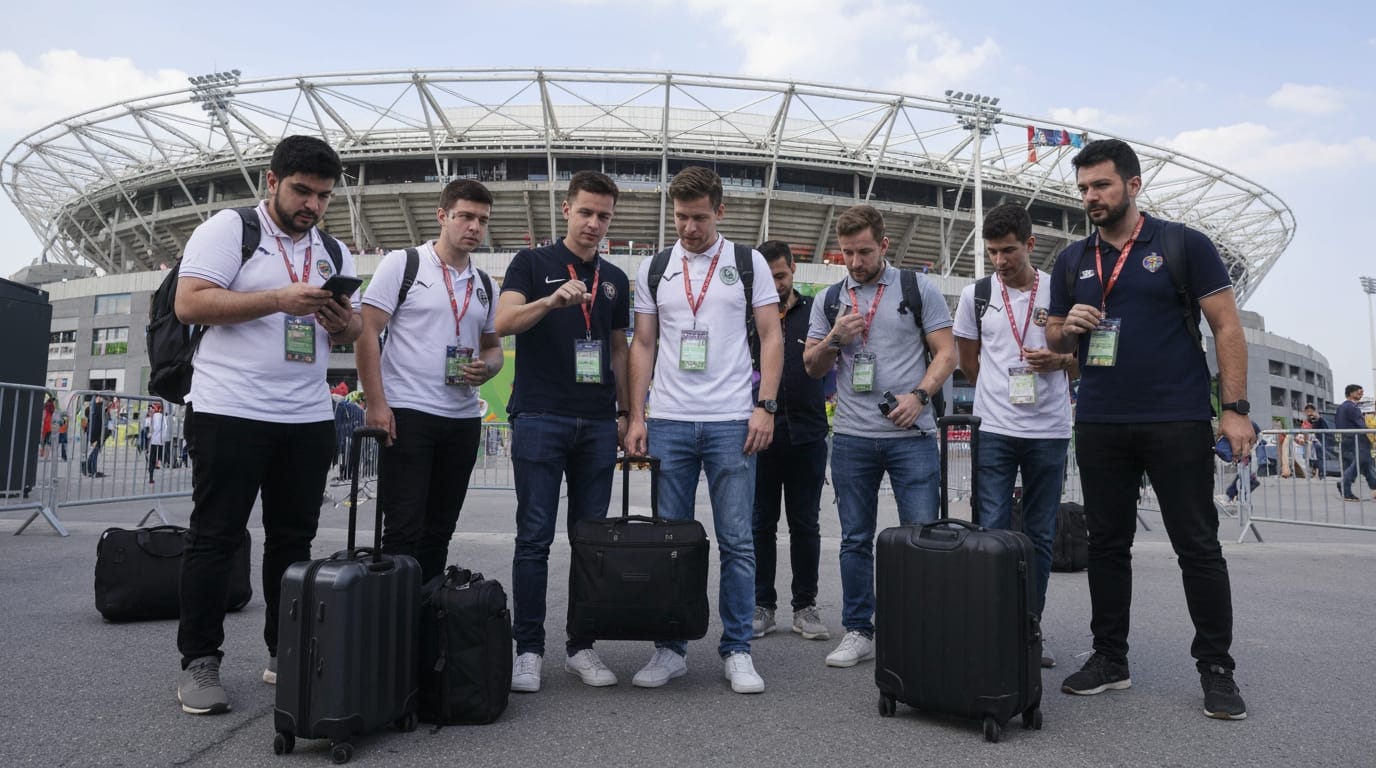
The countdown to the 2026 FIFA World Cup in North America is marked not only by anticipation for the expanded tournament but also by alarm over unprecedented costs that threaten to sideline countless dedicated fans. Hotel rates have surged by hundreds of percent in host cities, transportation costs have quadrupled in some instances, and match tickets are reaching figures previously unimaginable for a global sporting event. While some speculate that prices may eventually dip closer to kickoff, for the legions of international and even domestic supporters requiring significant advance planning, these potential reductions offer little solace, arriving far too late to mitigate the financial burden of attending football's premier spectacle.
The Soaring Cost of the Beautiful Game
From the moment the host cities were announced, a financial tidal wave began to build, engulfing nearly every aspect of attending the World Cup. Accommodation stands out as a primary driver of expense, with hotel rates skyrocketing by over 300% in many host cities across the United States, Canada, and Mexico. Figures reveal staggering increases: Houston has seen rates climb by as much as 457%, Kansas City by 364%, Atlanta by 344%, and the San Francisco Bay Area by 342%. In Vancouver, rooms for group-stage matches are commanding $879 per night, a 258% jump from regular prices. Perhaps most dramatically, one hotel in Mexico City that typically charges $157 per night was listed at $3,882 for dates around the opening match, representing a colossal 2,373% increase. Average nightly rates during the tournament could hit $1,013, a sharp rise from the $293 recorded just weeks before the event.
Beyond lodging, the cost of getting to and around the host cities presents another formidable barrier. Transportation prices to stadiums have drawn particular criticism. A round-trip train ticket to MetLife Stadium in the New York/New Jersey area could cost $150, a tenfold increase from the usual $13. Similarly, a round-trip train journey to Boston's Gillette Stadium is estimated at $80, quadrupling its regular price. Parking fees are projected to exceed $200 at most World Cup stadiums, and rideshare services are expected to follow suit with dynamic, high pricing. This is a notable departure from FIFA's initial 2018 host agreements, which mandated free fan transportation, later adjusted in 2023 to "at cost" access for ticket holders, placing the financial strain squarely on attendees.
Match tickets themselves, described by some as the "highest ever," further compound the financial pressure. While FIFA officially quoted starting prices at $60, this figure has proven largely theoretical. Category 3 group-stage tickets, among the more affordable options, range from $140 to $1,120. For highly sought-after matches, especially the final, prices ascend dramatically. Final tickets are quoted between $4,185 and $8,680 for national supporter groups, with some secondary market listings reportedly reaching an astounding $57,000, and even isolated reports of $2.3 million per ticket. An estimated 10-day trip for a family of four from England to attend just three group-stage matches is projected to cost approximately €15,806, or about $17,000 USD, covering flights, accommodation, tickets, local transport, and food. US fans, despite being in a host nation, face some of the highest costs, averaging $3,117 for three group-stage matches.
The Mechanisms Behind the Surge
Several factors contribute to the unprecedented price hikes. The 2026 tournament marks a significant expansion, featuring 48 teams and spreading across 16 cities in three countries – the United States, Canada, and Mexico – a first for the World Cup. This expanded format is expected to draw millions more fans, creating an immense demand for services.
A critical element in the current pricing structure is FIFA's adoption of a dynamic ticketing system for the first time. This electronic model adjusts ticket costs in real-time based on market demand, supply, and other external factors, allowing prices to fluctuate by the hour. While FIFA asserts this approach, which could generate up to $3 billion for the organization, helps to prevent scalping, critics argue it merely replaces traditional touts with automated bots and speculators, ultimately driving prices higher for legitimate fans. Host cities are also keenly aware of the opportunity to maximize revenue, and the tournament coincides with June and July, already peak summer travel months in North America, naturally inflating demand and prices. The financial burden extends to local infrastructure as well; New Jersey Transit, for instance, faces an estimated $48 million bill that higher train ticket prices are intended to offset, as FIFA no longer directly funds fan transportation.
The Fan's Dilemma: Early Commitment vs. Late Drops
The prospect of price reductions closer to the World Cup presents a complex dilemma for fans. On one hand, there is evidence that some prices, particularly on resale markets, have begun to decrease. Over the past few weeks, prices on resale sites have reportedly fallen for over 90% of matches, with some experiencing drops of 20% to 30% or more. This has led to speculation that "panic selling" of unsold inventory might occur as the tournament approaches, potentially benefiting local fans who can afford to wait and capitalize on last-minute deals. Historical precedent from the 2025 Club World Cup also showed that initial high prices eventually led to slower demand and subsequent reductions.
However, for the majority of traveling fans, particularly those journeying internationally, waiting for such drops is often not a viable strategy. International travel to a World Cup necessitates extensive advance planning for flights, accommodation, and visas, often months or even years ahead of time. The "Goldilocks window" for booking flights to Canadian and Mexican host cities has already passed, meaning prices are now trending upwards. Even for US-bound flights, while the optimal booking window is currently open, it is rapidly closing. Fans who commit early to secure their travel and lodging often do so at peak prices, effectively locking them into the exorbitant costs long before any potential last-minute market corrections might occur. This timing discrepancy renders any future price drops largely irrelevant for those who have already made significant financial outlays.
The human element of this predicament is profound. Many dedicated supporters, like Argentine fans known for their passionate presence at World Cups, are finding themselves priced out, facing the highest ticket costs in tournament history. Mexican fans, who once enjoyed accessible home tournaments, now see tickets selling for the equivalent of several months' average family income, creating a sense of exclusion. Fan groups have voiced concerns, with Football Supporters Europe (FSE) describing the pricing as "extortionate" and warning that the traditional atmosphere of the World Cup could be diminished. James Costa, a junior sports media major, expressed worry about a "significant lack of energy in the stadiums because of the absurd cost of public transit and ticket prices".
A World Cup Transformed?
The current pricing trajectory raises questions about the very essence of the World Cup. Traditionally, it is a celebration of global football, uniting diverse fan bases. However, the prohibitive costs risk transforming the event into what critics call a "two-tier, gentrified commodity," accessible primarily to corporate hospitality clients and high-net-worth individuals, rather than the working-class supporters who often embody the spirit of the game. This shift could fundamentally alter the vibrant, tribal atmosphere that has long been a hallmark of the tournament, leaving stadiums less energetic and impacting the experience for all attendees.
FIFA Secretary General Mattias Grafström acknowledged fan concerns, stating, "I will always have understanding for fans and their opinions". However, he emphasized the "reality of the market in North America" and the revenue generated that supports football development in 211 countries. While the financial legacy for FIFA may be record-breaking, the social and cultural legacy for many passionate fans is increasingly uncertain.
Conclusion
The 2026 FIFA World Cup is poised to be an unprecedented event in terms of scale and financial impact. Yet, the current pricing environment for accommodation, transportation, and match tickets presents a significant barrier for countless fans who dream of witnessing football's grandest stage. While the market may see some price adjustments closer to the event, these fluctuations will likely offer little recourse for the majority of supporters who must commit financially well in advance. The core challenge remains: reconciling the commercial imperatives of a global mega-event with the fundamental desire for accessibility that has historically defined the World Cup experience. For many, the dream of attending has become a bittersweet reality, overshadowed by a price tag that places the beautiful game increasingly out of reach.