Hospital Attack Exposes 'Brutality' of Iran's Clampdown
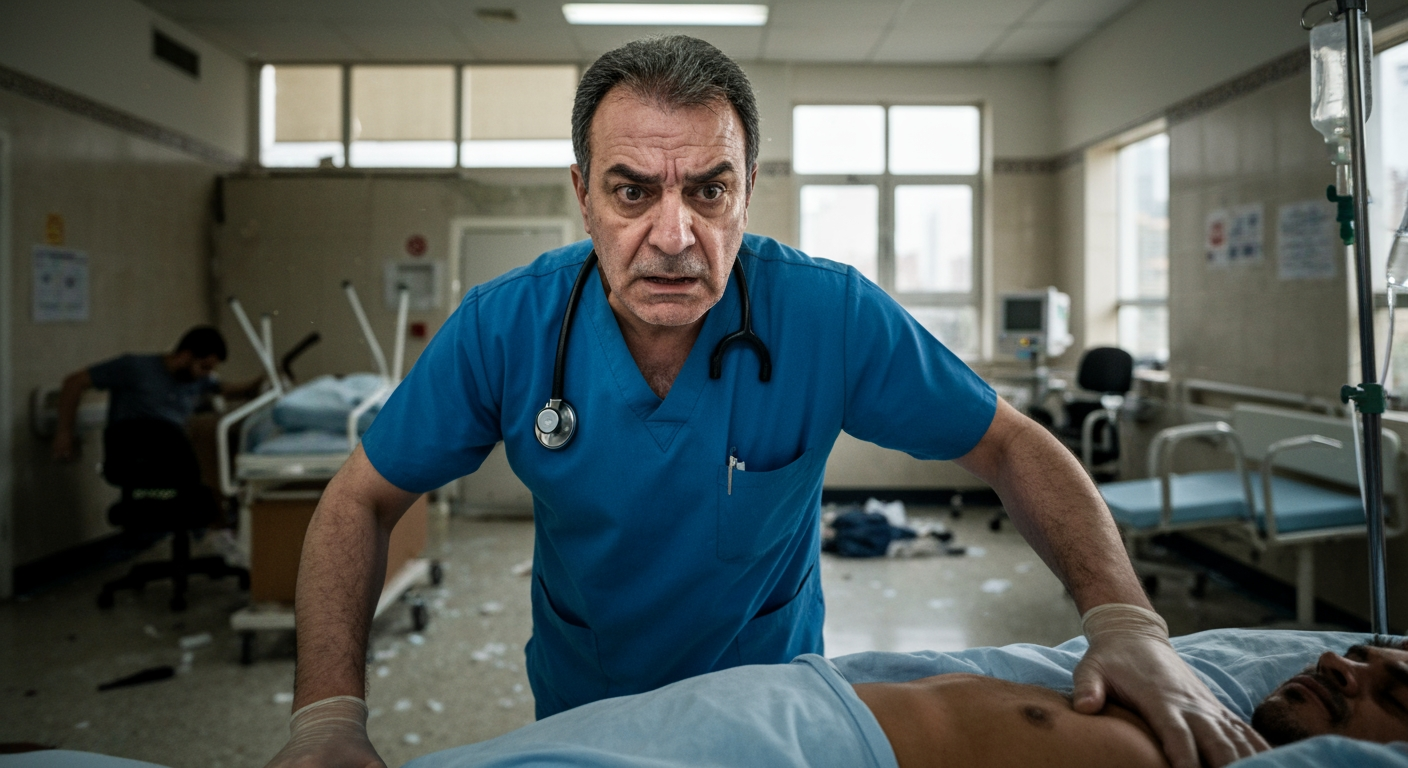
Iranian security forces reportedly stormed Imam Khomeini Hospital in Ilam, western Iran, in early January 2026, initiating a violent crackdown that saw the facility attacked and injured protesters targeted. This incident highlights the intensifying brutality of the Iranian government's response to widespread nationwide demonstrations that began in late December 2025. The assault on a medical sanctuary, where security personnel allegedly fired shotguns, deployed tear gas, and broke down doors, has drawn international condemnation and ignited urgent calls for accountability for what many describe as a flagrant violation of international law and human rights.
The Assault on Medical Sanctuary
On January 3 and 4, 2026, Iranian security forces, including units from the Islamic Revolutionary Guard Corps (IRGC), law enforcement, and special police, reportedly raided Imam Khomeini Hospital in Ilam. The primary objective of these incursions was to apprehend protesters who had been injured during clashes with security forces, particularly those wounded in Malekshahi County, where at least seven demonstrators had been killed. Witnesses described a chaotic scene as security personnel stormed the hospital, firing shotguns and deploying tear gas inside the premises. They forcibly entered wards, destroyed hospital doors, and attempted to seize wounded individuals receiving critical medical attention.
Medical staff, patients' family members, and local residents courageously resisted the intrusion, attempting to barricade entrances and protect those sheltering within the hospital walls. Doctors and nurses reportedly closed ward doors in an effort to shield patients from the advancing forces. Despite these efforts, patients reportedly screamed and fled in terror, and numerous wounded individuals, along with their family members and supporters, were arrested during the raid. Some seriously injured individuals remain hospitalized following the incidents. This attack was reportedly not an isolated event, as security forces had previously surrounded the facility on the night of January 4, attempting to prevent wounded protesters from receiving care.
Escalation Amidst Widespread Dissent
The assault on Imam Khomeini Hospital is set against a backdrop of escalating nationwide protests that erupted across Iran on December 28, 2025. These demonstrations were fueled by deep-seated grievances, including crippling inflation, governmental economic mismanagement, corruption, and pervasive repression. As the protests entered their second week, the government's response intensified significantly. Following Supreme Leader Ali Khamenei's speech on January 3, 2026, where he labeled protesters as "rioters" and called for their suppression, the crackdown reportedly grew more severe.
Security forces have been accused of using live ammunition against demonstrators, leading to dozens of fatalities, including children. Thousands of individuals have been arbitrarily arrested, further highlighting the authorities' determination to quell dissent through force. Reports indicate that at least 29 protesters have been killed and over 1,200 arrested within the first nine days of the protests. The violence in Malekshahi County, which preceded the hospital attack, saw security forces violently suppress peaceful demonstrations, resulting in several deaths and numerous injuries, underscoring the lethal nature of the government's response.
A Pattern of Disregard for Neutrality
The targeting of medical facilities during times of unrest marks a grave breach of international humanitarian law, which designates hospitals and medical personnel as protected entities. The United States government condemned the incident in Ilam as a "clear crime against humanity" and a "gross violation of international law," asserting that "Hospitals are not battlefields." This condemnation was accompanied by the sharing of graphic images of the raid by the U.S. State Department on social media.
Human rights organizations have voiced similar concerns, characterizing the storming of hospitals and the assault on medical staff as profound violations of international human rights and humanitarian law. This incident is not viewed as an anomaly but rather as part of a disturbing and recurring pattern of Iranian security forces targeting medical facilities. Previous instances include similar attacks during the "Woman, Life, Freedom" protests in 2023, where authorities reportedly brutalized hospitals, medical personnel, and wounded protesters in cities like Javanrud. Further incidents were reported in early January 2026, including security forces firing tear gas inside Sina Hospital in Hasanabad, Tehran, on January 6, and another attack on a hospital in the capital on January 7. These repeated actions demonstrate a consistent disregard for the neutrality of healthcare spaces, violating fundamental principles designed to protect the injured and those who care for them, even in times of conflict or severe civil unrest.
The Human Cost and International Outcry
The attacks on hospitals have created an atmosphere of profound fear and insecurity for citizens seeking medical aid, especially those injured during protests. The actions of security forces prevent wounded individuals from receiving necessary treatment, further endangering their lives. Accounts from inside the hospitals paint a picture of terror, with patients and staff caught in the crossfire of a political crackdown. The forcible arrests of patients directly from their hospital beds, and the alleged attempts to remove bodies, represent a severe undermining of basic human dignity and rights.
International bodies and governments have called for urgent accountability from Iranian authorities. The Center for Human Rights in Iran (CHRI) stated that such actions demand "urgent international accountability, not silence." The consistent targeting of hospitals, coupled with the use of live ammunition against protesters and the arbitrary detention of thousands, including children, has intensified international scrutiny on Iran's human rights record. These violations are seen by many as adding to a growing list of actions that amount to crimes against humanity, urging the global community to exert diplomatic, political, and legal pressure to end the violence and uphold international norms.
Conclusion
The violent incursions into Imam Khomeini Hospital in Ilam serve as a stark illustration of the extreme measures employed by Iranian security forces to suppress dissent. This deliberate targeting of a medical facility, a protected space under international law, not only inflicted terror upon patients and healthcare workers but also underscored a broader pattern of disregard for human life and fundamental rights. As protests continue and the government's clampdown intensifies, the events in Ilam and other cities highlight the deepening crisis within Iran and the urgent need for international intervention to hold perpetrators accountable and ensure the safety and humanitarian treatment of its citizens. The attacks on medical neutrality resonate far beyond Iran's borders, reminding the world of the critical importance of protecting healthcare in all circumstances.
Related Articles

Mounting Frustration Grips Russia as Economic Hardship and War's Toll Deepen
Moscow, Russia – A palpable shift in public sentiment is emerging across Russia, with growing frustration among citizens fueled by a confluence of economic pressures, increasing internet restrictions, and the undeniable...

Germany's Strategic Calculus: Ukraine Aid is an Investment in European Security, Not Charity
Berlin – The ongoing provision of substantial aid to Ukraine by Germany and its allies is increasingly being framed not as an act of altruism, but as a crucial investment in European security and stability. This...