Escalating Tensions: "Oil for Cash" Incident Deepens Ukraine-Hungary Rift
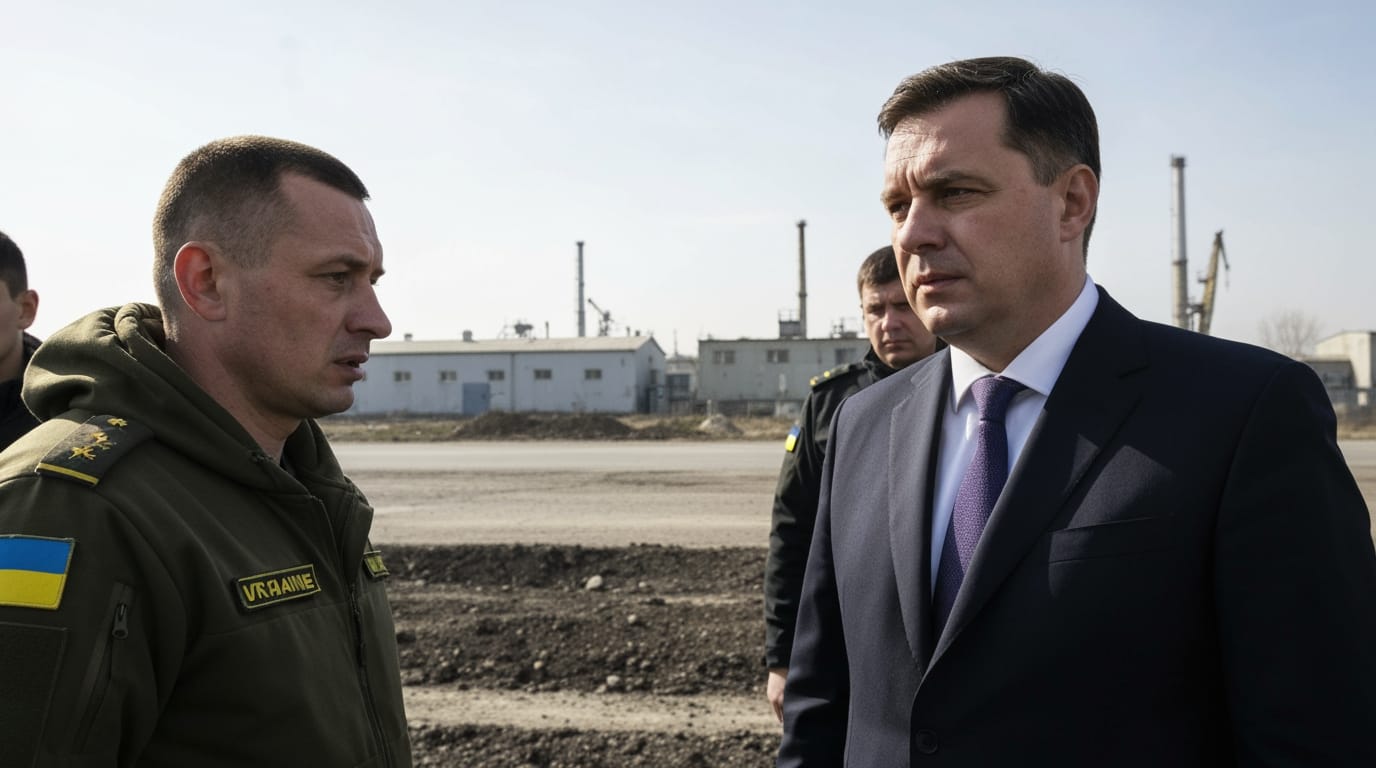
A protracted diplomatic standoff between Ukraine and Hungary has reached a critical juncture, marked by recent disputes over vital oil supplies and the controversial seizure of Ukrainian funds by Hungarian authorities. The escalating tensions threaten to further complicate regional stability and European unity at a time when support for Ukraine remains paramount. At the heart of the latest flare-up are accusations surrounding the Russian-operated Druzhba pipeline, a critical energy artery for Hungary, and a high-stakes financial incident involving nearly $100 million in Ukrainian cash and gold.
Fueling the Fire: The Druzhba Pipeline Dispute
The latest phase of the bilateral strain was ignited by disruptions to the Druzhba pipeline, which transports Russian crude oil through Ukraine to landlocked European nations, including Hungary and Slovakia. In late January, a pumping station near Brody was reportedly damaged by Russian shelling, leading to a halt in oil deliveries. While Ukraine cited the damage and expressed willingness to undertake repairs, Budapest and Bratislava promptly accused Kyiv of deliberately disrupting supplies.
Hungarian Prime Minister Viktor Orbán has openly blamed Ukraine for what he termed an "oil blockade," asserting that it has contributed to rising fuel prices in Hungary. In response, Orbán has called upon the European Union to suspend all sanctions on Russian energy, arguing that the combined impact of the pipeline disruption and global events, such as the conflict in the Middle East, is causing an "explosive" price spike for his country. This stance reiterates Hungary's long-standing opposition to EU sanctions on Russian energy imports, from which both Hungary and Slovakia currently hold exemptions allowing them to receive Russian oil via the Druzhba pipeline.
Ukrainian officials, including the CEO of Naftogaz, have countered these claims, stating that Russian forces have repeatedly targeted energy infrastructure, with over 30 attacks this year alone aimed at preventing alternative non-Russian oil supplies to Europe. The differing narratives underscore the deep mistrust and divergent interests between the two nations, with energy security becoming a potent political weapon.
The "Cash" in Question: Seized Funds and Accusations
Adding a volatile financial dimension to the dispute, Hungarian authorities recently detained seven Ukrainian cash couriers and impounded a convoy transporting approximately $40 million in U.S. dollars, 35 million euros, and 9 kilograms of gold – collectively valued at close to $100 million – en route from Vienna to Kyiv. The state-owned Oschadbank, to which the couriers belonged, stated this was a routine transfer agreed upon with Austria's Raiffeisen Bank, a common practice since the closure of Ukrainian airspace forced land-based cash transfers.
However, Hungary's National Tax and Customs Administration (NAV) launched criminal proceedings against the individuals on suspicion of money laundering. Ukrainian Foreign Minister Andrii Sybiha vehemently denounced the move, accusing Budapest of "hostage-taking, racketeering and state terrorism" and demanding the immediate return of the seized assets. The couriers were deported to Ukraine the following day, but the substantial funds and gold remain in Hungary.
In a significant development, Hungarian Construction and Transport Minister Janos Lazar openly acknowledged a connection between the seizure of the Ukrainian cash and gold and the ongoing suspension of oil shipments via Ukraine, stating, "Because if we are being blackmailed, we can't be so stupid as to just let it happen." This public admission has fueled Ukraine's allegations that Hungary is employing the seized assets as leverage in the broader energy dispute, transforming the financial incident into a direct "oil for cash" confrontation. Hungary's foreign minister, Péter Szijjártó, further exacerbated tensions by questioning the origin and purpose of the large cash shipments, suggesting they could be linked to a "Ukrainian war mafia" and demanding answers from Kyiv. Ukraine, in turn, has issued travel advisories, warning its citizens about the inability to guarantee their safety in Hungary due to the "arbitrary actions" of Hungarian authorities.
A History of Discord: Minority Rights and EU Obstruction
The recent energy and financial confrontations are superimposed on a long-standing bedrock of bilateral friction, primarily centered on the rights of the approximately 150,000 ethnic Hungarians residing in Ukraine's Transcarpathia region. Since Ukraine's independence in 1991, and particularly since 2017, disputes over Ukrainian language and education laws have been a consistent source of contention.
Hungary has consistently argued that Ukrainian legislation, particularly the 2017 education law and subsequent language laws, infringes upon the linguistic and educational rights of the Hungarian minority by limiting instruction in their mother tongue. While Ukraine has made some amendments in 2023, partly in response to recommendations from the Venice Commission and as a condition for EU accession, Budapest has often leveraged this issue to impede Ukraine's Euro-Atlantic integration ambitions.
Hungary has repeatedly blocked Ukraine's path towards EU membership talks and delayed crucial EU aid packages, citing the unresolved minority rights issue as a primary concern. Orbán's government has maintained that Ukraine must fully restore the rights of its Hungarian minority before it can expect unreserved Hungarian support for its integration into European structures. This persistent diplomatic pressure has often placed Hungary at odds with other EU member states keen on fast-tracking Ukraine's accession process.
Geopolitical Chessboard: Hungary's Role in Europe
Hungary's current foreign policy, characterized by its close ties to Moscow and its frequent obstruction within the EU and NATO, casts a long shadow over its relations with Kyiv. Prime Minister Orbán has been one of the most vocal critics of extensive support for Ukraine among EU leaders and has consistently advocated for a more accommodating approach towards Russia.
This stance has manifested in several high-profile blockades. Hungary has repeatedly vetoed significant EU financial aid packages for Ukraine, including a €90 billion loan, and has obstructed several rounds of EU sanctions against Russia. These actions have been widely criticized by other European leaders, who view them as undermining collective efforts to support Ukraine and weakening the bloc's resolve against Russian aggression.
Within NATO, Hungary has also carved out a unique position. While remaining a member, it has secured an agreement to opt out of direct military and financial support for Ukraine, in exchange for not blocking related NATO decisions. This arrangement highlights Hungary's balancing act between its alliance commitments and its desire to maintain a distinct, often pro-Russian, foreign policy. Orbán's government has also accused Ukraine of attacking infrastructure linked to the TurkStream pipeline, which supplies Russian gas to Hungary, further demonstrating the weaponization of energy in the ongoing dispute.
Conclusion
The multifaceted tensions between Ukraine and Hungary, fueled by historical grievances over minority rights and exacerbated by the ongoing war in Ukraine, have reached a new flashpoint with the "oil for cash" incident. The interplay between energy security, financial leverage, and long-standing diplomatic disputes creates a complex and volatile situation. Hungary's strategic location, its reliance on Russian energy, and its unique political alignment within the EU and NATO mean that its actions have significant implications for Ukraine's war effort and the broader European response. As both sides continue to trade accusations and maintain rigid positions, the prospect of a swift resolution appears distant, leaving a critical rift in Europe's efforts to present a united front. The escalating crisis not only strains bilateral ties but also poses a challenge to the cohesion of international alliances committed to supporting Ukraine's sovereignty and territorial integrity.


