Europe's New Reality: From Diplomatic Architect to Helpless Bystander Amidst Middle East Conflict
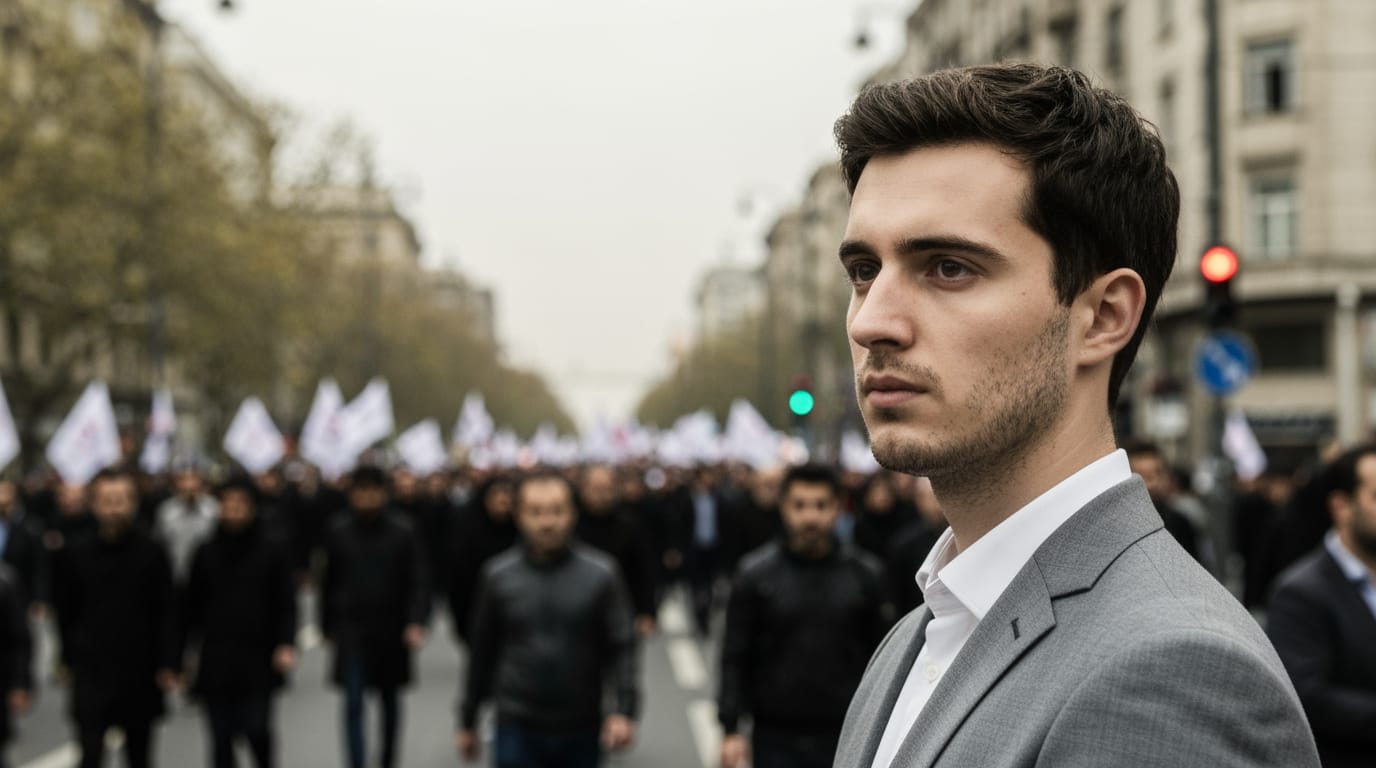
Brussels finds itself in a grim new epoch, watching helplessly as the Middle East plunges into an active military conflict following recent US and Israeli strikes on Iran and subsequent retaliatory actions. Once a pivotal architect of international diplomacy with Tehran, particularly through the landmark 2015 nuclear accord, Europe has been relegated to the role of a fractured and largely ineffectual observer. The dramatic escalation, which began with US missiles striking Iran on February 28, 2026, has ignited a regional conflagration, exposing Europe's diminished influence and sparking urgent questions about its foreign policy cohesion and strategic autonomy.
The Middle East on Fire: A Sudden Escalation
The current crisis erupted with devastating speed. On February 28, 2026, US missiles targeted Iran, an assault that reportedly resulted in the death of Supreme Leader Ayatollah Khamenei. Iran swiftly retaliated, unleashing drones and missiles against various targets across the region, primarily US military bases, but also civilian and economic infrastructure. This rapid escalation has led to a horrific death toll, with over 1,200 casualties reported, including 150 schoolgirls. The conflict has not only destabilized the immediate region but has sent shockwaves globally, with European troops in Cyprus reportedly sheltering from Iranian missile strikes, underscoring the conflict's proximity and direct threat to European interests.
This sudden eruption of hostilities follows years of simmering tensions and a gradual erosion of diplomatic channels. While the immediate catalyst was the US-led offensive, Europe's current predicament is rooted in a longer trajectory that saw its role shift from an active broker to a marginalized voice.
The Fading Influence: From JCPOA Architect to Peripheral Player
For over a decade, European powers, primarily France, Germany, and the United Kingdom (the E3), spearheaded diplomatic efforts to contain Iran's nuclear ambitions. This culminated in the Joint Comprehensive Plan of Action (JCPOA) in 2015, a significant achievement lauded as a triumph of multilateral diplomacy. Europe was central to crafting this agreement, which aimed to limit Iran's nuclear program in exchange for sanctions relief. The deal represented a period where Europe demonstrated considerable sway in international affairs, bridging divides and fostering dialogue between Tehran and Western powers.
However, this golden age of European diplomacy began to unravel with the United States' unilateral withdrawal from the JCPOA in 2018. This move, coupled with the re-imposition of stringent US sanctions, severely undermined Europe's ability to uphold its commitments under the deal and maintain economic ties with Iran. Despite attempts to create alternative financial mechanisms like INSTEX, European efforts largely proved ineffective in countering the extraterritorial reach of US sanctions. Consequently, Europe's influence waned, and its diplomatic leverage steadily diminished. By 2026, Iran's Foreign Minister characterized European powers as "paralyzed and irrelevant" in ongoing nuclear talks with the United States, a stark contrast to their former role as crucial interlocutors. This shift in perception signaled a profound policy change on Iran's side, which now reportedly views regional players as far more effective problem-solvers than a "peripheral Europe."
A Cacophony of Voices: Europe's Disjointed Response
In the face of the burgeoning war, Europe's response has been marked by disunity, conflicting statements, and a perceived lack of decisive action. Brussels has been widely criticized for its "flurry of conflicting statements," with EU foreign ministers condemning Iran's retaliatory strikes as "inexcusable" but notably failing to criticize the initial US-Israeli operation. This selective condemnation highlights a deeply fractured stance within the bloc, further cementing its bystander status.
While Spanish Prime Minister Pedro Sánchez and French President Emmanuel Macron reportedly voiced criticism of the US actions, Germany's Chancellor Friedrich Merz controversially suggested that Iran should not be protected by international law. Such divergent positions underscore the fundamental challenge of unanimity required for EU foreign policy decisions, effectively granting each member state a veto and hindering a coherent collective response. Analysts have not minced words, describing Europe's collective response as "at best, a fiasco – and at worst, strategic lunacy," with former EU officials lamenting Brussels' "stunned, sidelined, and disunited" posture. The consensus emerging is that Europe was not consulted on the US and Israeli strikes, largely due to Washington and Israel's recognition of its deep internal divisions. Ursula von der Leyen, President of the European Commission, acknowledged this shift, stating that "Europe can no longer be a custodian for the old-world order" and needs a "more realistic and interest-driven foreign policy," a sentiment expressed as missiles rained down on Tehran.
Far-Reaching Implications: A Region and a Continent at Risk
The current Middle East conflict carries profound implications for Europe across multiple fronts. Geopolitically, the war "is right next door" to Europe, posing direct threats to regional stability and potentially triggering new waves of migration and humanitarian crises. Energy security is also at severe risk; a prolonged conflict in the Gulf could starve Europe of vital energy supplies, leading to another surge in energy prices, reminiscent of previous crises, and draining resources away from other pressing European concerns like the ongoing conflict in Ukraine.
Transatlantic relations are also under immense strain. Europe's perceived inability to influence US foreign policy in such a critical region further underscores a growing chasm between the allies. The US and Israel's decision to bypass European consultation signals a clear diminishing of Europe's strategic importance in their eyes. This situation also creates an opening for other global powers. Russia, for instance, stands to gain significantly from higher energy prices, the diversion of Western air-defense systems and ammunition to the Middle East, and reduced international attention on its own aggression in Ukraine. As one European Council president observed, "So far, there is only one winner in this war – Russia."
The Bystander's Dilemma: A Concluding Predicament
Europe's journey "from broker to bystander" in Iran affairs is now complete, culminating in a critical moment where its voice carries little weight amidst a devastating regional conflict. The inability to present a unified front, coupled with years of declining influence following the US withdrawal from the JCPOA, has left the continent vulnerable to the fallout of a war on its doorstep.
While some suggest Europe should now focus on practical measures like enhancing maritime security to protect energy routes and engaging in diplomacy with Gulf states and other regional players like India and China, the path forward remains fraught with challenges. The structural impediment of unanimity in foreign policy decisions continues to hamstring any robust European action. The current crisis serves as a harsh awakening, forcing Europe to confront the consequences of its internal divisions and the imperative for a more cohesive, assertive foreign policy that aligns with its own security and economic interests, rather than merely reacting to the actions of others. Without such a reorientation, Europe risks remaining a spectator to a world increasingly shaped by conflicts it cannot prevent or influence.


