Hungary Enters New Era as Orbán's Sixteen-Year Rule Concludes
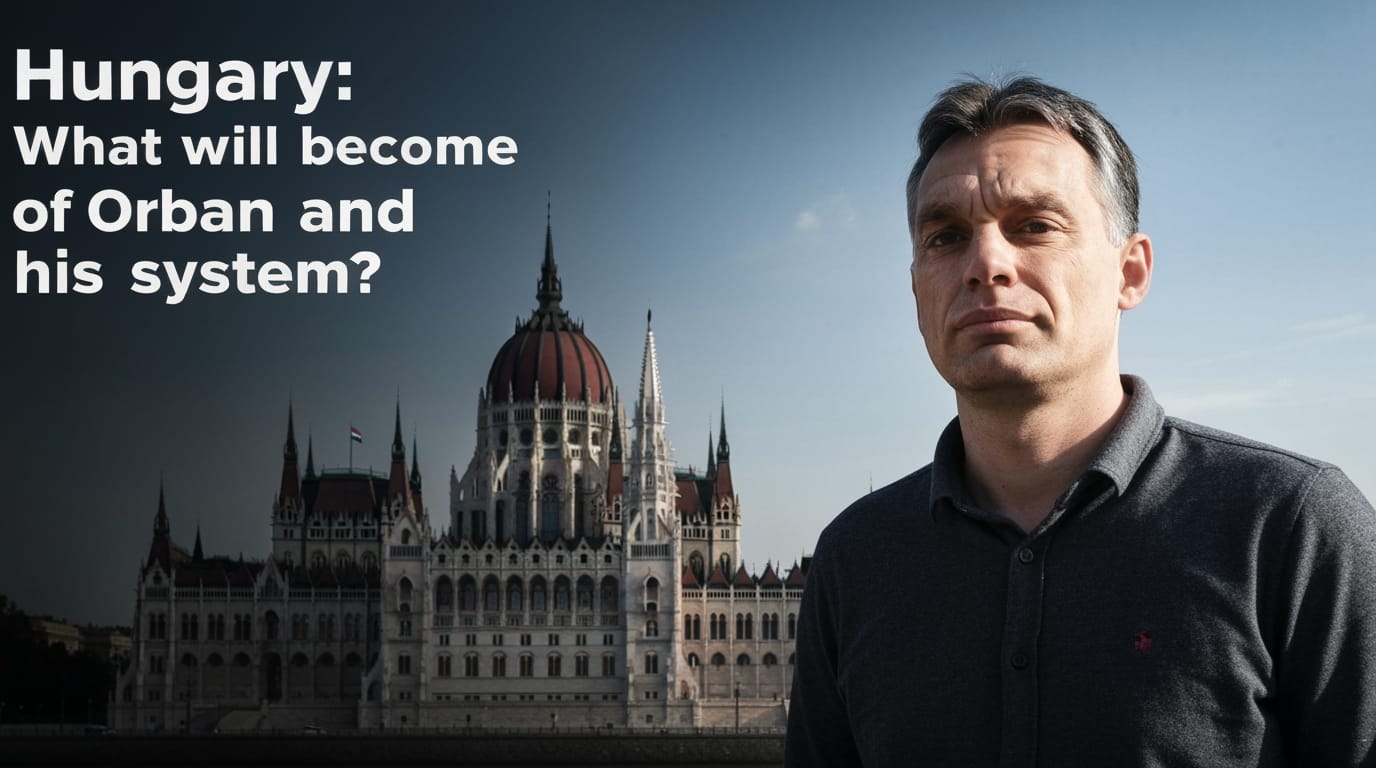
BUDAPEST – After 16 years dominating Hungarian politics, Viktor Orbán and his Fidesz party suffered a decisive defeat in the parliamentary elections held on April 12, 2026, marking a significant political upheaval in the Central European nation. This "political earthquake" saw Péter Magyar, leader of the newly formed Tisza (Respect and Freedom) party, emerge victorious, securing a two-thirds constitutional majority in the 199-seat parliament. The unexpected outcome signals a profound shift for Hungary, both domestically and in its often-contentious relationship with the European Union.
The Fall of an Illiberal Fortress
Orbán's long tenure, characterized by a self-proclaimed "illiberal democracy," relied on consolidating power through constitutional amendments, controlling media institutions, and fostering a system of patronage that benefited loyal economic elites. However, public discontent had been mounting, primarily fueled by economic hardship and growing concerns over corruption. Hungary had been grappling with the European Union's highest inflation rates, stagnating GDP growth—projected at a mere 0.4 percent for 2025—and a budget deficit exceeding five percent of its gross domestic product. The economic model cultivated under Orbán's leadership appeared to have "exhausted its potential," leaving many Hungarians struggling as wages failed to keep pace with rising costs.
A clemency scandal in early 2024, involving a presidential pardon in a child abuse cover-up, further eroded public trust and contributed to a sense of moral decline within the ruling establishment. Into this climate of frustration stepped Péter Magyar, a former Fidesz insider, whose meteoric rise galvanized a fragmented opposition. Magyar's campaign effectively channeled the widespread anger against corruption and the economic malaise. By focusing on these tangible issues, rather than engaging in the ideological battles often favored by Fidesz, he successfully appealed to a broad spectrum of voters, including those in rural areas traditionally loyal to Orbán. The election saw an exceptionally high voter turnout, reaching nearly 80 percent, the highest since Hungary's first free election in 1990, underscoring the public's desire for change.
Dismantling the Orbán System
For 16 years, Viktor Orbán's "System of National Cooperation" (NER) systematically reshaped the Hungarian state. This involved leveraging Fidesz's supermajority to rewrite the constitution, manipulate electoral laws, and appoint allies to key institutions, effectively weakening checks and balances. The government's influence extended deeply into the media landscape, with an estimated 80% of Hungarian outlets controlled by the Central European Press and Media Foundation (KESMA), largely staffed by Fidesz loyalists. This media dominance played a crucial role in shaping public discourse and marginalizing dissenting voices. Critics often described Hungary under Orbán as a "competitive authoritarian" system, where elections occurred but the playing field was heavily tilted in favor of the incumbent.
The Tisza party's two-thirds majority in parliament now provides the incoming government with substantial power to initiate comprehensive reforms aimed at dismantling the structures built by Orbán. Key priorities for the new administration are expected to include strengthening the rule of law, ensuring an independent judiciary, and fostering a free and diverse media environment. However, unwinding a system so deeply entrenched and intertwined with economic interests will present a significant challenge, likely to be met with resistance from those who benefited from the previous regime's "crony capitalism."
A New Chapter for Hungary and Europe
The electoral outcome is poised to usher in a new phase for Hungary's foreign policy and its standing within the European Union. Under Orbán, Hungary frequently clashed with Brussels over issues ranging from judicial independence and migration to LGBTQ+ rights, leading to the suspension of billions in EU funds. The new government under Péter Magyar is anticipated to pursue a policy of re-engagement and normalization of relations with the European Union.
A primary objective for the Tisza government will be to unlock the approximately EUR 18 billion in frozen EU funds, including significant allocations from the Recovery and Resilience Facility and cohesion funds, which were withheld due to rule-of-law concerns. This re-engagement is expected to involve a commitment to complying with EU liberal-democratic values and a shift away from Hungary's previously "obstructive position" towards a more cooperative role within the bloc. The defeat of Orbán is also projected to weaken Hungary's pro-Russian stance and its regional influence in the Western Balkans, leading to a more aligned position with mainstream European foreign policy, particularly concerning aid for Ukraine.
Economic Hopes and Lingering Challenges
The financial markets reacted swiftly and positively to the election results, reflecting optimism about Hungary's future economic direction. The Hungarian forint strengthened significantly, reaching a four-year high against the euro, while the benchmark BUX equity index surged. Investors anticipate that the new government will enhance institutional governance, improve transparency, and stabilize relations with the EU, factors that previously contributed to a valuation discount compared to regional peers. There is also renewed discussion about a potential path toward euro adoption by the early 2030s, although significant fiscal consolidation and macro-stability measures would be required to meet the Maastricht criteria.
Despite the positive market sentiment, the incoming government faces considerable economic hurdles. The structural weaknesses exposed after 2020, including low productivity and insufficient investment in human capital, persist. Reversing the economic trends and rebuilding public services will require sustained effort. While the new administration is expected to prioritize anti-corruption measures and EU alignment, specific commitments on labor rights and social spending will be crucial for broader societal benefits.
The electoral defeat of Viktor Orbán represents a pivotal moment for Hungary, concluding an era that significantly reshaped the country's political and institutional landscape. The rise of Péter Magyar and the Tisza party offers a potential reset, promising a return to democratic norms, closer alignment with European values, and a renewed focus on economic stability. While the transition away from Orbán's deeply ingrained system will undoubtedly be a complex and arduous process, the election results signal a clear public mandate for change and a tangible step away from illiberal governance within the European Union.


