Hungary on the Brink: Scandals, Economic Fears, and a Shifting Political Landscape Ahead of Pivotal Vote
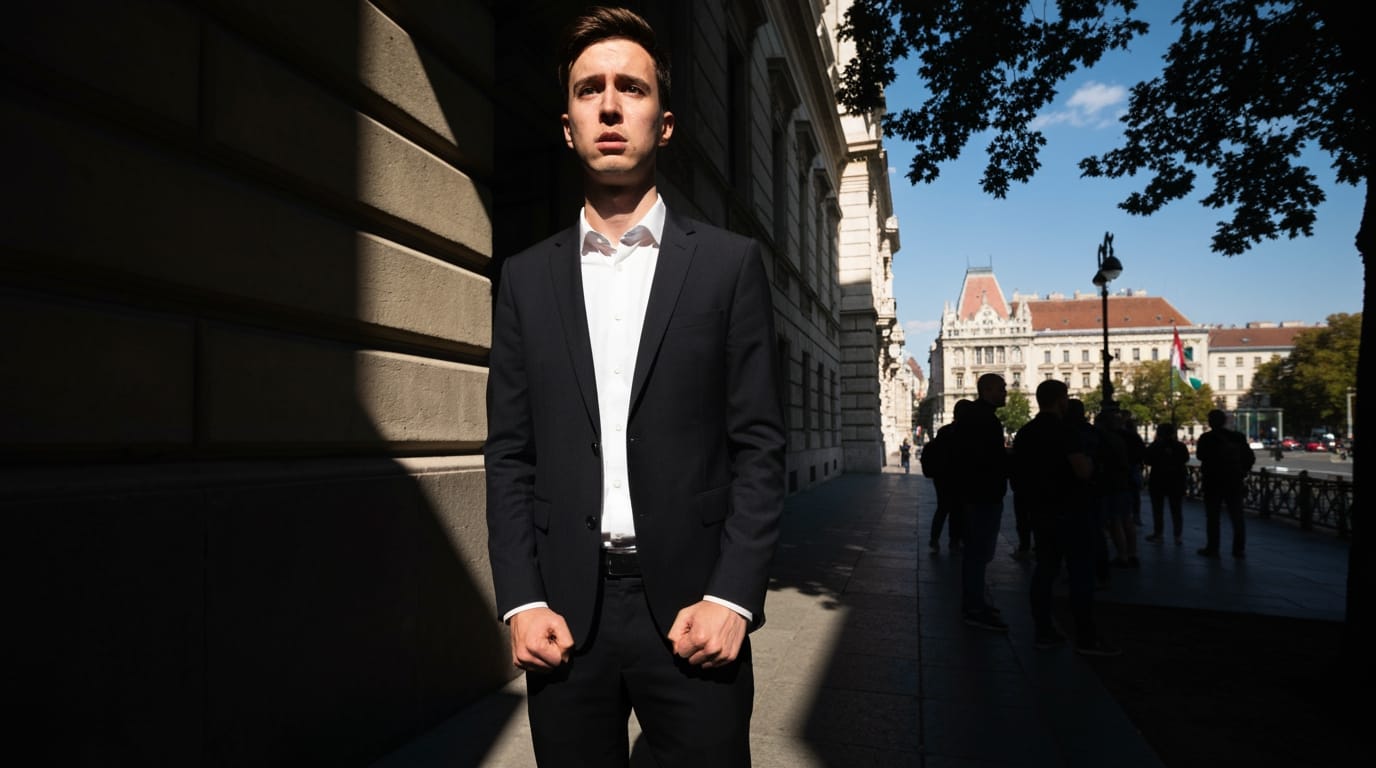
BUDAPEST — As Hungary gears up for its parliamentary elections on April 12, 2026, the nation finds itself at a critical juncture, navigating a complex web of political scandals, economic anxieties, and burgeoning hopes for change. The upcoming vote is widely regarded as one of the most significant in recent Hungarian history, with implications not only for domestic governance but also for the European Union's cohesion and broader geopolitical alignments. After 16 consecutive years in power, Prime Minister Viktor Orbán of the Fidesz party faces an unprecedented challenge from a new opposition force, signaling a potential turning point for the country's "illiberal democracy" model.
The Enduring Grip and the Rise of a New Challenger
Prime Minister Viktor Orbán, in office since 2010, is seeking a fifth term, an ambition underpinned by his Fidesz party's systematic consolidation of power. Over more than a decade, Orbán's government has enacted constitutional changes, reshaped the judiciary, and exerted significant control over state institutions and media, leading watchdogs to classify Hungary as only "partly free" or an "electoral autocracy." This enduring dominance has shaped a political system that, while technically holding free elections, is often criticized for its uneven playing field and structural advantages favoring the incumbent party, including gerrymandering.
However, the political landscape has been dramatically reshaped by the meteoric rise of Péter Magyar and his Tisza (Respect and Freedom) Party. Magyar, a former Fidesz insider, emerged as a potent opposition figure in 2024 following a high-profile scandal, rapidly gaining public support. His party has quickly ascended to become the strongest opposition force, with recent polls indicating a lead over Fidesz, a development largely unforeseen in Hungary's polarized political environment. This shift has made the 2026 election a genuine contest, breaking the pattern of predictable Fidesz victories and sparking discussions about whether the country will continue its drift towards authoritarianism or steer back towards liberal democracy and closer alignment with the European Union.
The Shadow of Scandal: A Crisis of Trust
The catalyst for Magyar's ascent and a significant blow to the ruling party's moral authority was the presidential pardon scandal in early 2024. This controversy involved President Katalin Novák pardoning an individual implicated in a child sexual abuse cover-up, leading to widespread public outcry and the resignations of both Novák and then-Justice Minister Judit Varga. Magyar capitalized on this public outrage, positioning himself as a champion against corruption and a critic of the government's perceived hypocrisy, particularly given Fidesz's self-proclaimed role as a defender of family values.
Beyond this seminal event, a series of other allegations have fueled a growing sense of distrust and calls for accountability. Reports have surfaced accusing the government of attempting to silence investigative journalists with espionage charges and of running secret service operations aimed at undermining the opposition. A documentary exposé has further highlighted claims of systematic voter intimidation and vote-buying in rural areas, where citizens are allegedly offered incentives such as money, jobs, and even drugs in exchange for votes for the ruling party. These revelations, alongside persistent accusations of widespread corruption benefiting government allies, paint a picture of a political system under intense scrutiny. Adding to the complexity, public opinion polls suggest a high level of fear regarding foreign interference in the election, with some reports alleging Russian efforts to aid Orbán's campaign.
Economic Headwinds and Mounting Public Discontent
The electoral climate is further charged by ongoing economic challenges that have generated significant public discontent. Hungary's economy has experienced a period of sluggish growth, with GDP growth at a mere 0.4% in 2025, falling below initial projections. While a modest recovery is forecast for 2026, with GDP expected to grow between 1.7% and 2.3%, this is largely driven by consumption and remains subject to uncertainties, particularly concerning the release of European funds.
The country also grapples with a high and increasing budget deficit, projected to reach 5.5% of GDP in 2026, contributing to public debt that is the highest in Central Europe. Despite expectations for inflation to moderate, underlying inflationary pressures persist. These economic realities, coupled with voters' frustration over corruption, have created fertile ground for opposition movements. In response, Prime Minister Orbán's strategy has increasingly focused on framing the election as a defense against external threats, portraying Ukraine and the European Union as adversaries to mobilize his base. This tactic, however, has not entirely overshadowed the domestic concerns about the cost of living and social services that are central to the opposition's campaign.
A Glimmer of Hope: The Opposition's Path Forward
Amidst the scandals and economic fears, a palpable sense of hope has emerged, largely centered around Péter Magyar's challenge to the established order. His Tisza Party, by leading in recent polls, has created a "realistic possibility" for a change in government for the first time in over a decade. Magyar's platform resonates with a broad spectrum of voters, promising anti-corruption reforms, a renewed focus on improving ties with NATO and the EU, and addressing the domestic economic issues that concern many Hungarians. His ability to draw support from across the political spectrum, uniting critics of Orbán, represents a novel dynamic in Hungary's often-fractured opposition.
However, the path to victory for the opposition remains fraught with challenges. The existing electoral system, marked by gerrymandering and structural advantages, still heavily favors the ruling Fidesz party. Even with a significant lead in the popular vote, securing a parliamentary majority can be an uphill battle, and achieving the two-thirds supermajority needed for fundamental institutional reforms would be even more difficult. Despite these hurdles, a victory for the opposition, even with a simple majority, would mark a significant moment, potentially leading to vital institutional reforms and a re-evaluation of Hungary's international standing. The widespread desire for change, fueled by a mixture of disillusionment and optimism, underscores the profound stakes of the upcoming election.
As the April 12 election draws near, Hungary stands at a crossroads. The profound implications of this vote for the nation's democratic trajectory, its economic future, and its role within Europe cannot be overstated. The interplay of recent scandals, deep-seated economic fears, and the burgeoning hope for a new political direction defines this pivotal moment, setting the stage for an election that could fundamentally alter Hungary's course.