Iceland Considers Fast-Tracking EU Membership Vote Amid Geopolitical Shifts
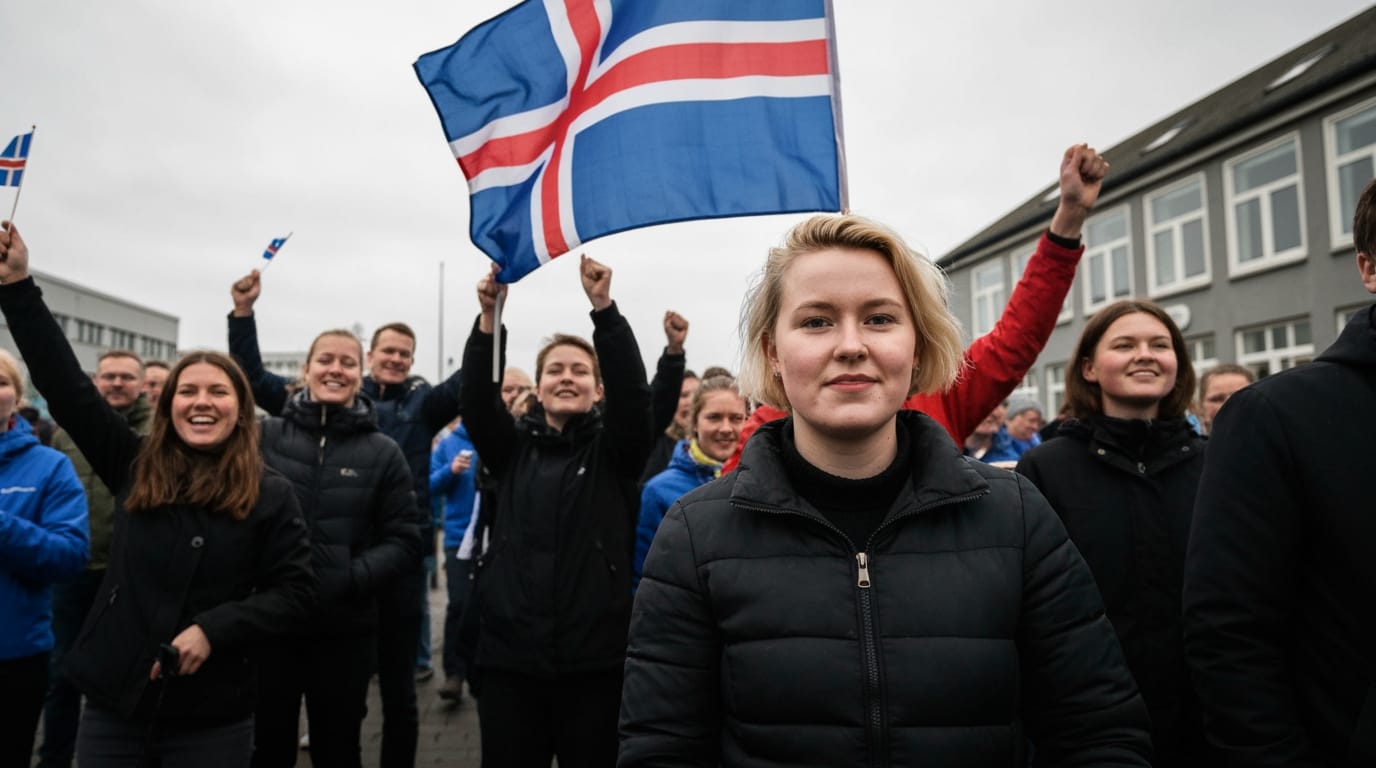
Reykjavik, Iceland – Iceland is reportedly weighing a fast-track referendum on resuming European Union accession talks, with a potential vote as early as August 2026. This accelerated timeline, a significant shift from an earlier pledge to hold a ballot by 2027, comes as geopolitical tensions intensify and global alliances are being re-evaluated, according to sources familiar with the country's preparations. The move underscores a growing emphasis on security and belonging in a rapidly changing international landscape, potentially reshaping the North Atlantic nation's future alignment with the European bloc.
An Expedited Path to Brussels?
The prospect of Iceland holding a referendum on EU accession talks just months away marks a dramatic acceleration of its political agenda. While the Reykjavik-based coalition government had previously committed to assessing the question of EU membership by 2027, recent geopolitical developments appear to have pushed the issue to the forefront. Reports suggest that Washington's decision to impose tariffs on Iceland, coupled with past remarks from former U.S. President Donald Trump concerning the annexation of Greenland, have contributed to a heightened sense of urgency within Icelandic political circles. This confluence of events has reportedly underscored the strategic vulnerabilities of the island nation and the potential benefits of closer integration with the European Union. The Icelandic Parliament is expected to announce the precise date for the ballot in the coming weeks.
A History of Engagement and Disengagement
Iceland's relationship with the European Union has been complex and at times, ambivalent. The nation first applied for full membership in 2009, a decision heavily influenced by the devastating financial crisis that led to the collapse of its three main commercial banks. However, negotiations with Brussels were frozen in December 2013, and Reykjavik officially requested in March 2015 that it no longer be considered a candidate country. The primary sticking point during those earlier discussions revolved around fishing rights, a cornerstone of Iceland's economy and national identity.
The current geopolitical climate, however, presents a different backdrop. Enlargement Commissioner Marta Kos, who met with Iceland's Foreign Minister Thorgerdur Katrin Gunnarsdottir last month, has indicated that the contemporary enlargement debate is increasingly framed around "security, belonging," and the EU's capacity to operate effectively within a global arena of "competing spheres of influence." This shift suggests that the motivations for potential accession are now less about immediate economic rescue and more about long-term strategic stability and partnership.
Navigating Key Obstacles and Strategic Advantages
Should Icelanders vote to resume accession talks, the nation could find itself on a comparatively swift path to full EU membership. This advantage stems from its existing integration into several key European structures. As a member of the European Economic Area (EEA) and the Schengen Area, Iceland has already adopted a substantial body of EU legislation and regulations. During its previous negotiation round, Iceland had already successfully closed 11 out of 33 negotiating chapters, indicating a significant degree of alignment with EU standards. This prior progress means that, unlike many other candidate countries, Iceland would not be starting from scratch, potentially allowing for a quicker resolution of remaining issues.
Nevertheless, the perennial issue of fishing rights is anticipated to remain a central challenge. A European official, quoted by Politico, succinctly summarized the enduring nature of the issue: "in the end, it's about fish." However, some analysts suggest that the post-Brexit landscape, which has seen the UK disentangle itself from the Common Fisheries Policy, might render this particular obstacle less formidable than in previous negotiations. Iceland's strategic position in the North Atlantic also looms large in these discussions. Lacking a standing army, the nation relies heavily on its NATO membership and a 1951 bilateral defense agreement with the United States. Joining the EU could further embed Iceland within a broader European security framework, enhancing its defensive posture and strategic relevance.
Public Sentiment and Economic Prospects
Public opinion in Iceland appears to be warming to the idea of EU membership. A recent Maskína poll indicated that 54% of Icelanders now support joining the EU, a notable increase in pro-EU sentiment. This rising support is reportedly fueled by the perception of potential financial benefits for households and businesses. A key economic implication of joining the EU would be Iceland's adoption of the Euro, replacing the Icelandic krona. Many Icelandic businesses already conduct transactions in Euros, appreciating its stability and favorable loan terms, suggesting a pragmatic economic rationale for such a transition. As a member of the Schengen Area, travel arrangements would remain largely unchanged, mitigating concerns about mobility.
A Pivotal Decision Ahead
The potential fast-tracking of an EU membership referendum represents a pivotal moment for Iceland. Driven by a complex interplay of geopolitical pressures, historical context, and evolving public sentiment, the nation stands at a crossroads. Should Icelanders vote to resume accession talks, the path would then involve intricate negotiations, followed by a second, final referendum to ratify any accession treaty. The outcome of this impending decision will not only shape Iceland's economic and political future but also significantly influence the strategic balance of the North Atlantic and the ongoing evolution of the European Union itself.


