India Imposes Temporary Telegram Block Ahead of Crucial Medical Entrance Re-Examination
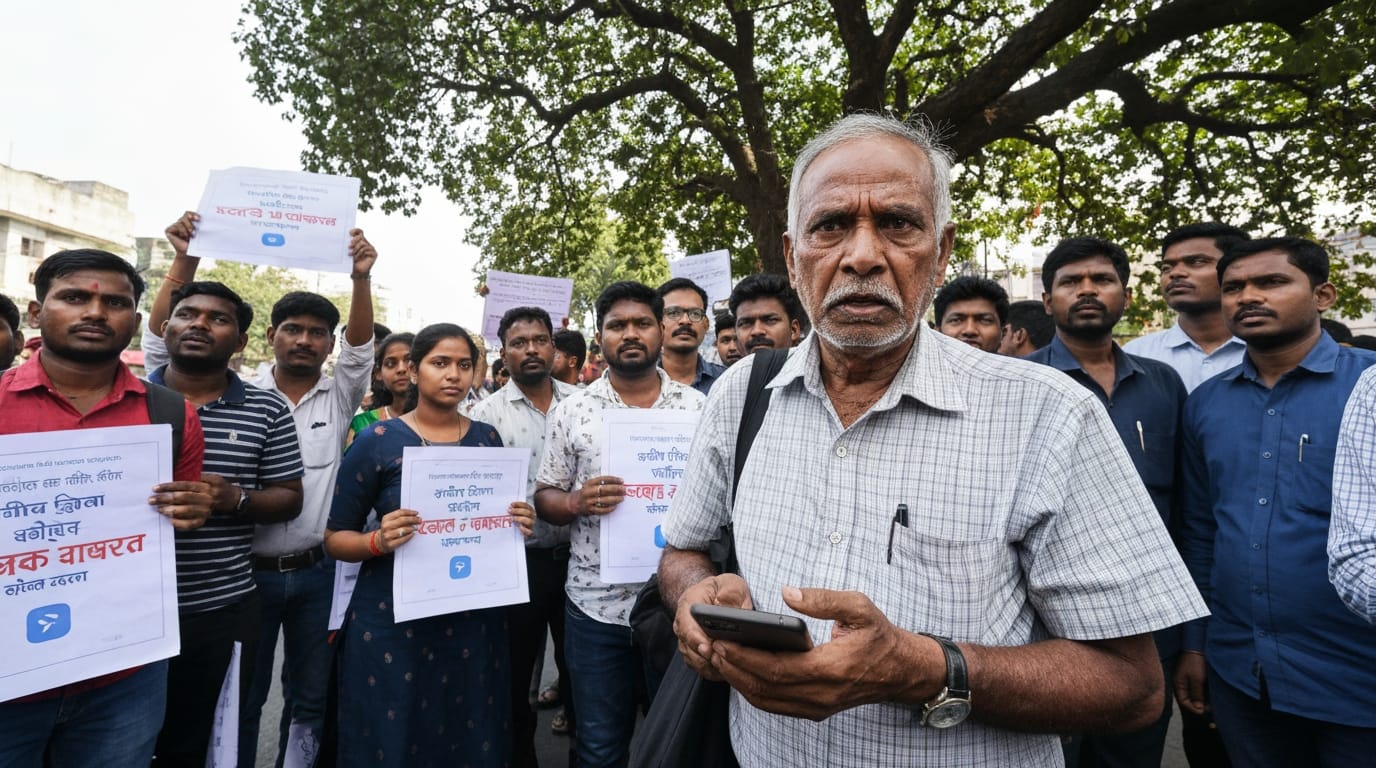
NEW DELHI – In an unprecedented move to safeguard the integrity of a critical nationwide medical entrance examination, the Indian government has temporarily blocked access to the Telegram messaging app across the country. The drastic measure, effective from June 16 to June 22, 2026, aims to thwart organized cheating rackets that authorities claim have exploited the platform to perpetuate fraud and circulate misinformation ahead of the highly anticipated NEET-UG 2026 re-examination. This comes after the original examination in May was canceled due to allegations of a widespread question paper leak, sparking national outrage and protests.
Mounting Concerns Over Examination Integrity
The decision to restrict Telegram access stems directly from the National Testing Agency's (NTA) findings regarding the platform's alleged misuse by cheating syndicates. The NTA, responsible for conducting the National Eligibility cum Entrance Test (NEET), asserted that Telegram channels were being used to demand substantial sums from candidates and their families in exchange for purported access to examination papers. These channels, some brazenly named "PAPER LEAKED NEET" or "Re-NEET 2026," openly advertised their services, exploiting the anxieties of millions of aspiring medical students.
A significant concern highlighted by the NTA was the exploitation of Telegram's message-editing feature. Authorities allege that this functionality allowed channel administrators to manipulate "after-the-event paper leak" evidence. By editing older, innocuous messages to insert actual question papers after an examination had concluded, and while retaining the original timestamp, these groups created fabricated proof that the papers had been leaked beforehand. This deceptive practice not only defrauded students but also undermined public trust in the examination process. Consequently, in addition to the temporary access restriction, the Ministry of Electronics and Information Technology (MeitY) has directed Telegram to disable its message-editing feature in India until June 30, 2026, specifically to address this vulnerability.
A History of Leaks and High Stakes
The NEET-UG examination is one of India's most competitive and high-stakes tests, attracting over two million aspiring doctors annually. Success in this examination is a gateway to medical colleges across the nation, making it a pivotal moment in the lives of countless young individuals and their families. The immense pressure to succeed has inadvertently fostered a lucrative environment for criminal networks.
The original NEET-UG exam, conducted on May 3, 2026, was annulled following irrefutable evidence of a question paper leak. This cancellation, coupled with a separate marking controversy in high school examinations, ignited widespread protests from students across the country. Calls for accountability, including demands for the resignation of Education Minister Dharmendra Pradhan, underscored the depth of public frustration and the critical need for systemic reform in the examination process. The subsequent re-examination, scheduled for June 21, 2026, is therefore under intense scrutiny, with authorities determined to prevent any recurrence of malpractice.
Legal Justification and Government's Position
The government's action to block Telegram was initiated by the Ministry of Electronics and Information Technology, acting on recommendations from the National Testing Agency and the Department of Higher Education. The restriction has been implemented under Section 69A of the Information Technology Act, 2000. This provision empowers the government to block public access to online content when deemed necessary "in the interest of sovereignty, integrity, public order, and security of India."
Officials described the measure as a "calibrated and bounded in time" intervention, a "measure of last resort" adopted only after earlier attempts to remove problematic content and channels from the platform proved insufficient. The NTA acknowledged that the access restriction would undoubtedly inconvenience "lakhs of citizens" who use Telegram for legitimate personal, educational, and professional purposes. However, the agency emphasized that the decision was taken with regret and was deemed essential to protect the sanctity of the examination process and prevent candidates from being defrauded. The government maintains that its actions comply with the law and are always in the public interest, despite concerns raised by activists regarding the potential for such provisions to curb free speech.
Impact and Broader Implications
The temporary nationwide restriction on Telegram marks a significant intervention, particularly for a messaging service with a rapidly growing user base in India, which is its largest market by downloads. While WhatsApp remains the dominant messaging platform, Telegram's popularity for various uses beyond personal communication, including educational groups and news dissemination, means the block affects a vast number of users.
For those relying on Telegram for daily communications, study groups, or community channels, the disruption is considerable. The government's directive also poses questions about the balance between national security interests, public order, and digital freedoms. While the NTA stressed the temporary nature of the block and its narrow targeting to the examination window, the move sets a precedent for platform-level restrictions in response to specific, high-profile threats to national processes. The ability of individuals to send new messages is generally unaffected by the editing restriction; however, the overall accessibility of the platform is severely curtailed.
Upholding Examination Integrity
As the NEET-UG 2026 re-examination approaches on June 21, the Indian government's decisive action to block Telegram underscores its commitment to ensuring a fair and transparent process. The temporary restriction, coupled with the disablement of the message-editing feature, reflects an escalating effort to combat sophisticated cheating rackets that leverage digital platforms. While the measure has created inconvenience for many, authorities contend it is a necessary step to restore faith in the integrity of India's highly competitive medical entrance system and protect the aspirations of millions of students. The coming days will reveal the effectiveness of this unprecedented digital crackdown in achieving its objective.


