India Takes Center Stage, Forging a Human-Centric Path for Global AI Governance
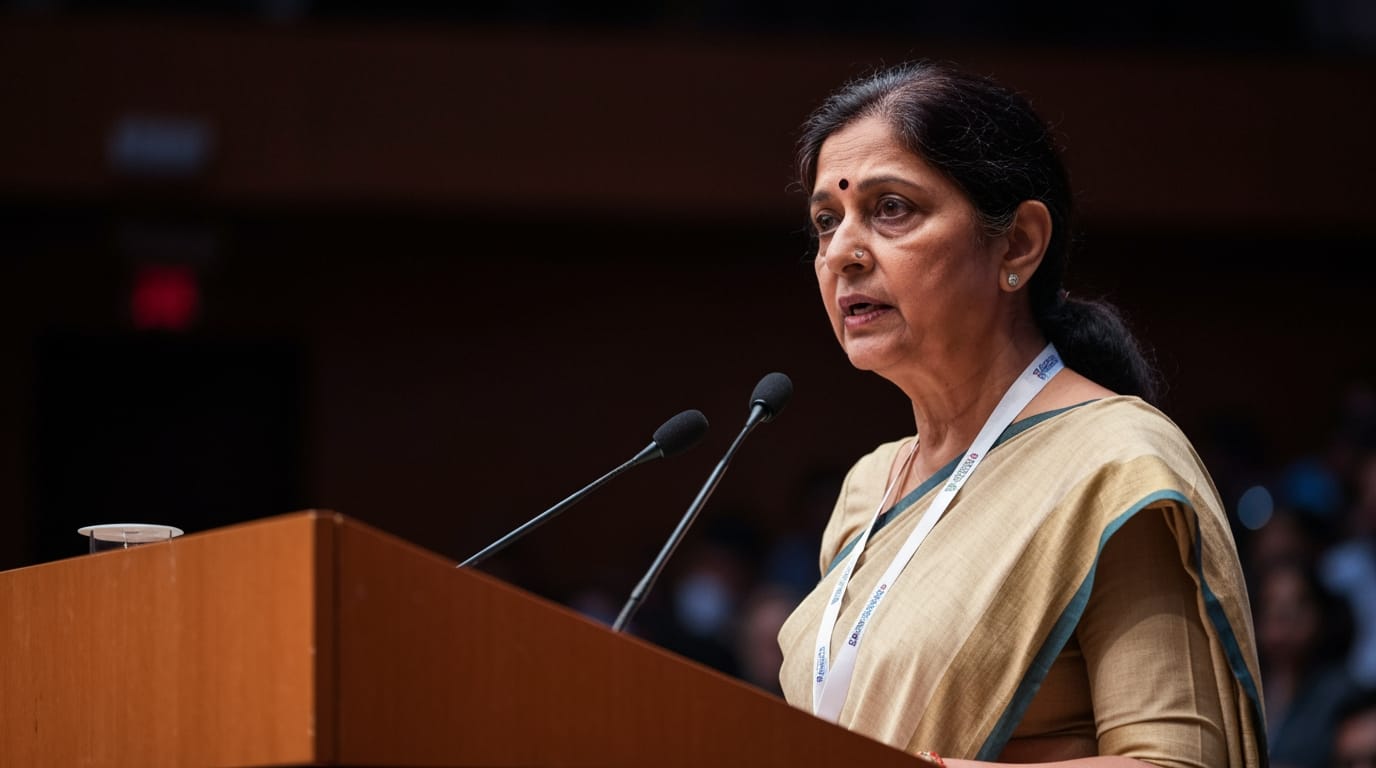
NEW DELHI – India has asserted itself as a pivotal architect in shaping the future of artificial intelligence governance, hosting the landmark India AI Impact Summit 2026 in New Delhi. The multi-day event, which concluded with the crucial Global Partnership on Artificial Intelligence (GPAI) Council Meeting, brought together an unprecedented assembly of global leaders, policymakers, tech innovators, and experts to deliberate on a responsible and inclusive global framework for AI. This summit, recognized as the first major global AI gathering to be held in the Global South, underscored India's ambition to steer the conversation towards human-centric development and ensure AI benefits all of humanity, not just a select few.
New Delhi Hosts a Pivotal Global AI Dialogue
From February 16 to 20, 2026, New Delhi became the epicenter of global AI discourse, drawing tens of thousands of attendees and representatives from over 100 countries. The India AI Impact Summit 2026 featured a high-profile lineup, including heads of state, numerous ministers, and chief executives from leading AI companies such as OpenAI, Anthropic, Nvidia, Google, and Microsoft. The summit's agenda was structured around the pillars of People, Planet, and Progress, encompassing seven thematic working groups focused on critical areas like AI skilling, social inclusion, safety, scientific research, sustainable computing, democratizing access, and economic growth. A significant outcome of the summit was the GPAI Council Meeting on February 20, where member nations reviewed progress on responsible and inclusive technology, aiming for a Leaders' Declaration to affirm collective commitments to a shared roadmap for global AI governance and collaboration.
India's "Third Way" Approach to AI Governance
India has articulated a distinct philosophy for AI governance, positioning itself as advocating for a "Third Way" that seeks to balance rapid innovation with strategic autonomy and inclusive development. This approach deliberately navigates a middle path between heavy-handed regulation and a completely free-market model, aiming to foster innovation while mitigating potential risks. Central to this vision are the "India AI Governance Guidelines," recently unveiled by the Ministry of Electronics & Information Technology (MeitY). These guidelines are founded on the principle of human-centric development and a "Do No Harm" ethos, advocating for an agile and flexible framework that often adapts existing legal structures rather than proposing standalone AI legislation. The framework addresses India-specific risks, including national security concerns and protecting vulnerable groups from harms such as deepfakes. Complementing these guidelines, amendments to the IT Rules, 2021, have been implemented, mandating prominent labeling for AI-generated content and establishing expedited takedown procedures for harmful material, particularly concerning deepfakes.
Leveraging Digital Public Infrastructure for Inclusive AI
A cornerstone of India's AI strategy is the strategic integration of artificial intelligence with its expansive Digital Public Infrastructure (DPI). India has successfully demonstrated the transformative power of DPI through initiatives like Aadhaar (a digital identity system) and the Unified Payments Interface (UPI), which have facilitated inclusion, interoperability, and trusted data exchange at an unprecedented scale. The country now aims to leverage this digital bedrock to scale AI solutions rapidly and affordably across crucial sectors such as healthcare, education, agriculture, and public administration. This approach seeks to ensure that AI serves as a multiplier for society, bridging the urban-rural divide and expanding access to opportunities, rather than exacerbating existing inequalities. The government's ambitious IndiaAI Mission, backed by a budget of INR 10,300 crore ($1.3 billion) over five years, is designed to build a robust AI ecosystem by prioritizing compute capacity, developing datasets, fostering innovation, enhancing skilling programs, and ensuring safe and trustworthy AI. This includes a significant push to deploy a large public AI compute network with Graphics Processing Units (GPUs) by 2025, creating one of the largest such networks globally.
Advocating for the Global South and International Cooperation
India has emerged as a vocal advocate for the aspirations of the Global South in the evolving landscape of AI governance. Prime Minister Narendra Modi emphasized that AI governance cannot be solely formulated by advanced economies, asserting that the priorities of developing nations must be central to global rule-making. The India AI Impact Summit was the first major global AI event hosted in the Global South, marking a deliberate shift towards solutions shaped by emerging economies. As the Lead Chair of the GPAI, India has actively championed a global compact on AI, advocating for fundamental principles such as effective human oversight, safety-by-design, transparency, and strict prohibitions on the misuse of AI for criminal or terrorist activities. While the summit facilitated broad discussions on critical issues from child protections to job displacement and the need for equitable access to AI tools, achieving full global consensus on governance remains a complex challenge amidst fragmented geopolitics and intense competition. Nevertheless, India's consistent advocacy for a balanced approach that promotes innovation while building safeguards for safe and inclusive AI has resonated internationally.
Shaping the Future of AI
The India AI Impact Summit 2026 has solidified India's growing influence in the global discourse on artificial intelligence. By promoting a human-centric and inclusive approach, leveraging its successful Digital Public Infrastructure, and advocating for the priorities of the Global South, India is actively shaping the normative frameworks for AI governance. The discussions and collaborations fostered at the summit underscore the collective understanding that AI's transformative potential must be harnessed responsibly to accelerate global development and serve the common good. India's commitment to building a resilient, self-reliant, and globally trusted digital nation, where AI integration propels inclusive growth and equitable access, marks a significant step towards defining a future where technology truly serves humanity.


