Indian Cinema: A Global Epic Where National Pride Meets Box Office Triumph
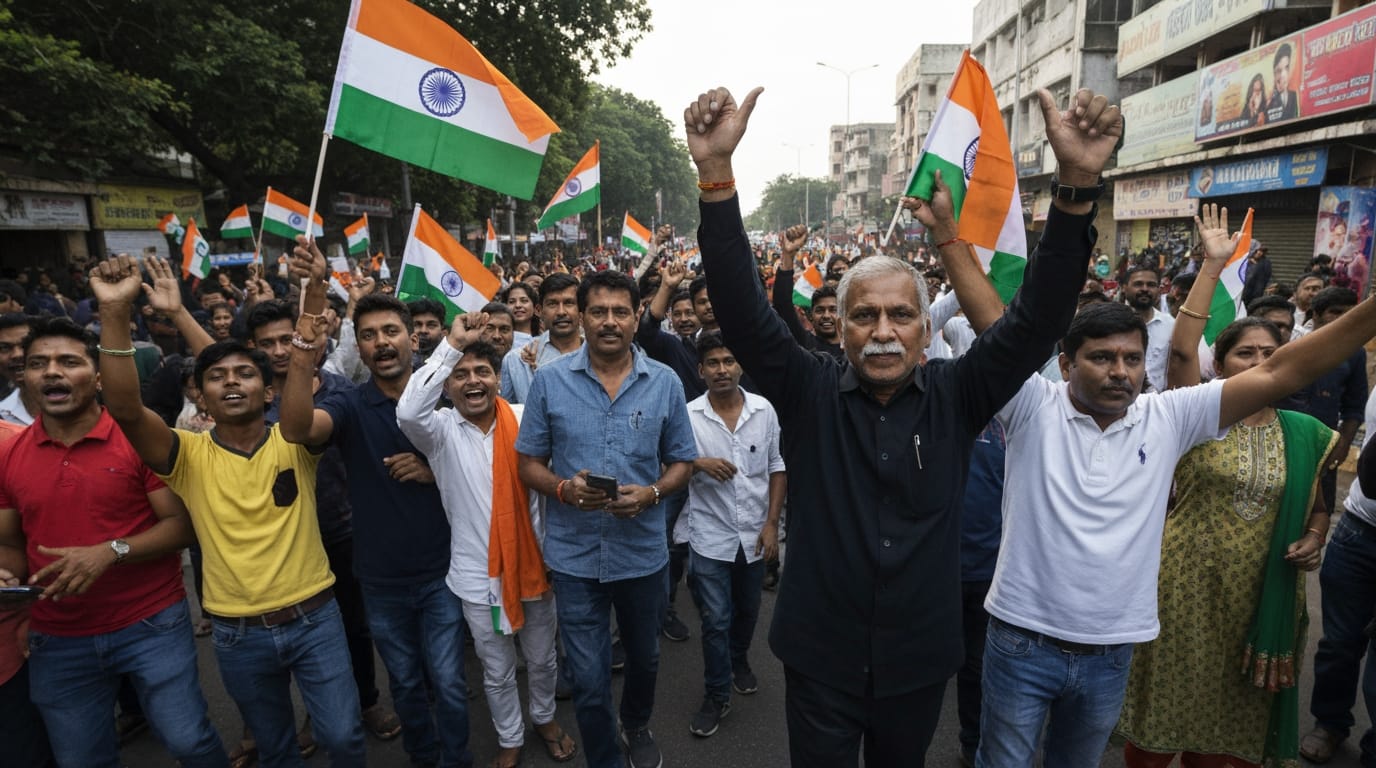
Indian cinema, a vibrant tapestry of storytelling woven across a multitude of languages and cultures, has transcended its domestic borders to emerge as a global powerhouse, captivating audiences and shattering box office records worldwide. This colossal industry, the largest film producer globally, not only serves as a reflection of India's rich cultural heritage but also stands as a significant economic force and an influential ambassador of its national identity. From its humble beginnings in the early 20th century to its present-day digital dominance, Indian cinema consistently demonstrates a unique synergy between profound cultural resonance and extraordinary commercial success.
A Cinematic Colossus: Scale and Diversity Unmatched
The sheer scale of the Indian film industry is unparalleled, producing an astonishing 1,800 to 2,000 films annually across more than 35 languages. This prolific output dwarfs that of any other nation, firmly establishing India as the world's leading film producer. The industry is a massive employer, providing livelihoods for over 1 million people. Historically, Indian cinema began its journey with Dadasaheb Phalke's silent film, Raja Harishchandra, in 1913, quickly embracing sound with Alam Ara in 1931. The post-independence era, often referred to as the Golden Age (1950s-1960s), saw the rise of legendary filmmakers such as Satyajit Ray and Raj Kapoor, who garnered international acclaim and laid the groundwork for Indian cinema's global footprint. Today, major production hubs like Mumbai, Hyderabad, Chennai, Kolkata, Kochi, and Bengaluru contribute to this diverse cinematic landscape.
The Blockbuster Economy: Shattering Records and Expanding Markets
The financial prowess of Indian cinema is increasingly evident, with the industry valued at approximately $2.4 billion. It holds the distinction of having the highest number of cinema admissions globally, selling over 2 billion tickets each year. In 2024, the Indian box office generated ₹11,833 crore (approximately $1.36 billion), with projections showing continued growth, reaching ₹10,453 crore in 2025—a 12% increase from the previous year. Hindi films experienced a 20% surge in net box office collections in 2025, reaching ₹4,792.7 crore.
Several films have achieved monumental worldwide success, entering the coveted ₹1,000 crore club (approximately $120 million USD). Dangal (2016) remains the highest-grossing Indian film of all time, with global earnings of approximately ₹2,070 crore. Other significant blockbusters include Baahubali 2: The Conclusion (2017) with ₹1,810 crore, Pushpa 2: The Rule (2024) with ₹1,871 crore, and RRR (2022) with ₹1,230 crore. Recent successes like Jawan (2023) at ₹1,160 crore, Pathaan (2023) at ₹1,055 crore, and Kalki 2898 AD (2024) at ₹1,042 crore further underscore the industry's robust financial trajectory. The 2025 release Dhurandhar also swiftly joined this elite group, surpassing ₹1,000 crore worldwide. Overseas markets, particularly in the Soviet Union, China, and among the South Asian diaspora, have been crucial to this financial growth, with films like Dangal and PK finding immense popularity in China.
Cultural Ambassadors: Weaving National Identity and Soft Power
Beyond its economic impact, Indian cinema serves as a powerful medium for cultural expression and national pride, effectively acting as a form of soft power on the global stage. These films frequently showcase India's diverse traditions, vibrant cuisine, and picturesque landscapes, transforming them into cultural ambassadors. By exploring universal themes such as love, family bonds, social justice, and personal growth, Indian movies resonate with international audiences, fostering empathy and breaking down stereotypes.
From early pioneers like Raj Kapoor, whose films like Awaara and Shree 420 captured imaginations far beyond India's borders, to contemporary productions gaining international festival recognition, Indian cinema has consistently projected a dynamic and inclusive image of the nation. The International Film Festival of India (IFFI), established in 1952, provides a crucial platform for showcasing Indian films globally and connecting filmmakers with international peers. Bollywood, in particular, has played a significant role in promoting the Hindi language and a unique blend of Hindi and English, reflecting the evolving linguistic landscape within India and abroad. Films often address pertinent social issues, sparking conversations and influencing societal perceptions, though they are sometimes critiqued for romanticized portrayals that may not fully reflect societal complexities.
The Rise of Regional Powerhouses: A Diverse Tapestry of Storytelling
While Bollywood, the Hindi-language film industry, has traditionally dominated national and international perception, the growing influence and success of regional cinema cannot be overstated. Films in languages such as Telugu, Tamil, Malayalam, and Kannada have not only achieved significant critical acclaim but have also experienced remarkable box office success, challenging and often surpassing the revenue generated by Hindi films. For instance, Telugu cinema emerged as the largest film industry in India in terms of box office revenue in 2021, and by 2022, the combined revenue of South Indian film industries had surpassed that of the Hindi-language film industry. In 2024, South Indian cinema, comprising Telugu, Tamil, Malayalam, and Kannada films, collectively earned 20% more at the box office than Bollywood. This shift highlights a broader audience demand for authentic, culturally rooted stories, demonstrating that pan-Indian success is increasingly defined by linguistic diversity.
The Digital Transformation and Future Horizons
The advent of Over-The-Top (OTT) streaming platforms has fundamentally transformed the Indian film industry, revolutionizing distribution models and expanding the reach of Indian content globally. OTT platforms now represent a significant revenue stream, contributing 15-20% of a film's earnings. During the COVID-19 pandemic, these platforms became a lifeline, facilitating over 300 digital-first releases and providing essential cash flow during theater closures. The democratization of content offered by streaming services has empowered lesser-known filmmakers and allowed regional and independent films to reach broader audiences both domestically and internationally, often through subtitles and dubbing. This digital shift encourages a focus on strong narratives and diverse themes, ushering in an era where captivating storytelling is prioritized over traditional star power.
In conclusion, Indian cinema stands as a powerful testament to the successful amalgamation of profound national pride and immense box office achievement. Its vast output, diverse linguistic offerings, and increasing global footprint underscore its dual role as a cultural phenomenon and an economic engine. As it continues to evolve with technological advancements and shifting audience preferences, Indian cinema remains a dynamic force, projecting India's rich cultural heritage and contemporary narratives across the world, one blockbuster and one heartfelt story at a time.


