Indian Skies Grapple with Middle East Turmoil as Airlines Navigate Path to Recovery
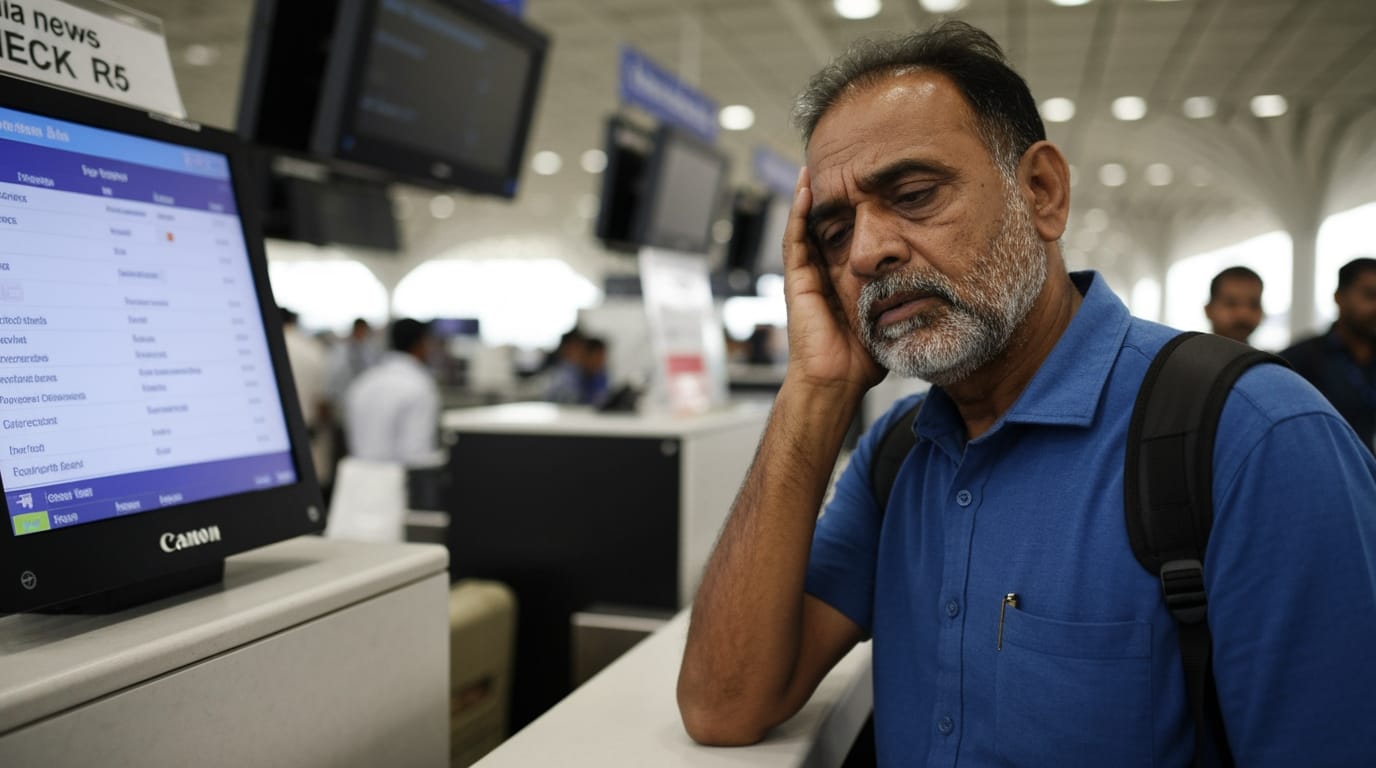
New Delhi, India – The delicate balance of international air travel has been profoundly disrupted as escalating tensions in the Middle East, particularly the ongoing Israel-Iran conflict, continue to trigger widespread airspace closures, forcing Indian airlines to navigate a complex and costly path toward limited resumption of services. Thousands of flights have been cancelled, stranding passengers and inflicting significant economic pressure on an industry still finding its footing in the post-pandemic era. Despite efforts by carriers to restart operations, persistent geopolitical volatility ensures that full recovery remains an elusive prospect.
The recent days have seen a drastic curtailment of air traffic across crucial Middle Eastern air corridors, including airspace over Iran, Iraq, Kuwait, Israel, Bahrain, Qatar, and the United Arab Emirates. This unprecedented closure, described as the most acute aviation shock since the COVID-19 pandemic, has had an immediate and severe impact on Indian airports. Delhi’s Indira Gandhi International Airport reported 100 flight cancellations on a single Sunday, while Chennai and Bengaluru airports recorded 30 and 42 cancellations respectively over a 24-hour period.
Indian airlines, heavily reliant on the Gulf region as a primary transit hub for nearly half of their international passenger traffic, have borne the brunt of these disruptions. Over 850 flights operated by Indian carriers were reportedly disrupted across February 28 and March 1 alone, affecting crucial routes to and from cities like Dubai, Abu Dhabi, Doha, Riyadh, and Kuwait. This vulnerability is further exacerbated by the standing closure of Pakistani airspace to Indian carriers, compelling even longer and more expensive detours for flights heading west. The ripple effect extends beyond direct Middle East routes, with long-haul services to Europe and North America also facing cancellations or significant rerouting, often adding hours to flight times and increasing operational complexities.
In response to the crisis, major airlines quickly moved to suspend or significantly alter their flight schedules. Air India, for instance, initially suspended all services to the UAE, Saudi Arabia, Israel, and Qatar until March 2, while budget carrier Akasa Air temporarily halted operations to destinations such as Abu Dhabi, Doha, and Riyadh, later extending suspensions to Jordan, Jeddah, and Kuwait. IndiGo, another major Indian airline, cancelled 162 Middle East flights on March 2 alone, underscoring the scale of the operational challenge.
As the fourth day of intensified conflict unfolded, a cautious and limited resumption of services began, primarily aimed at repatriating stranded passengers. Emirates and Etihad Airways commenced selected flights from Dubai and Abu Dhabi, offering a glimmer of hope for thousands of travelers. Indian carriers also initiated relief efforts: IndiGo scheduled ten special flights from Jeddah, Saudi Arabia, to various Indian cities like Mumbai, Hyderabad, and Ahmedabad to facilitate the return of affected passengers. Air India Express announced the resumption of its flights to Muscat, Oman, from March 3. Air India also reinstated most of its long-haul European and North American services, albeit with alternative routings that often involve additional fuel stops, such as in Rome for flights to New York. However, this partial normalization remains precarious; some Dubai-bound Emirates flights originating from India were reportedly forced to turn back mid-flight due to rapidly changing airspace restrictions. Airlines continue to urge passengers to verify their flight status directly before traveling to airports.
The human element of this aviation crisis is significant, with countless individuals facing uncertainty and distress. Accounts from stranded Indian travelers in Gulf transit hubs like Dubai and Abu Dhabi paint a vivid picture of the "scary situation," with reports of explosions and a palpable sense of relief upon safe return to India. The disruption affects not only business and tourism but also the vast Indian diaspora residing and working across the Middle East. Indian Prime Minister Narendra Modi has reportedly engaged with leaders in Bahrain, Saudi Arabia, and Jordan, expressing gratitude for their efforts in ensuring the well-being of the Indian community.
Beyond the immediate travel chaos, the economic ramifications for the Indian aviation sector are substantial. Analysts estimate a hit of approximately Rs 500 crore to Indian carrier profits. The necessity for longer flight paths translates to increased fuel consumption, a major operational cost. Additionally, airlines face higher war-risk insurance premiums due to routing through or near conflict zones. These compounded costs could ultimately lead to higher airfares for passengers and further strain the profitability of airlines already operating on tight margins. The disruption also extends to air cargo, impacting supply chains for high-value goods and potentially influencing trade flows.
As the geopolitical situation in the Middle East remains fluid, the Indian civil aviation ministry continues to closely monitor developments. This prolonged period of instability serves as a critical "stress test of structural vulnerability" for Indian airlines, highlighting the urgent need to re-evaluate route planning, cost buffers, and the strategic reliance on Middle Eastern transit pathways. While limited operations offer some relief, the industry and its passengers face continued uncertainty, dependent on the ebb and flow of regional tensions.


