India's Harvest Festivals Confront a Climate in Flux, Threatening Centuries of Tradition
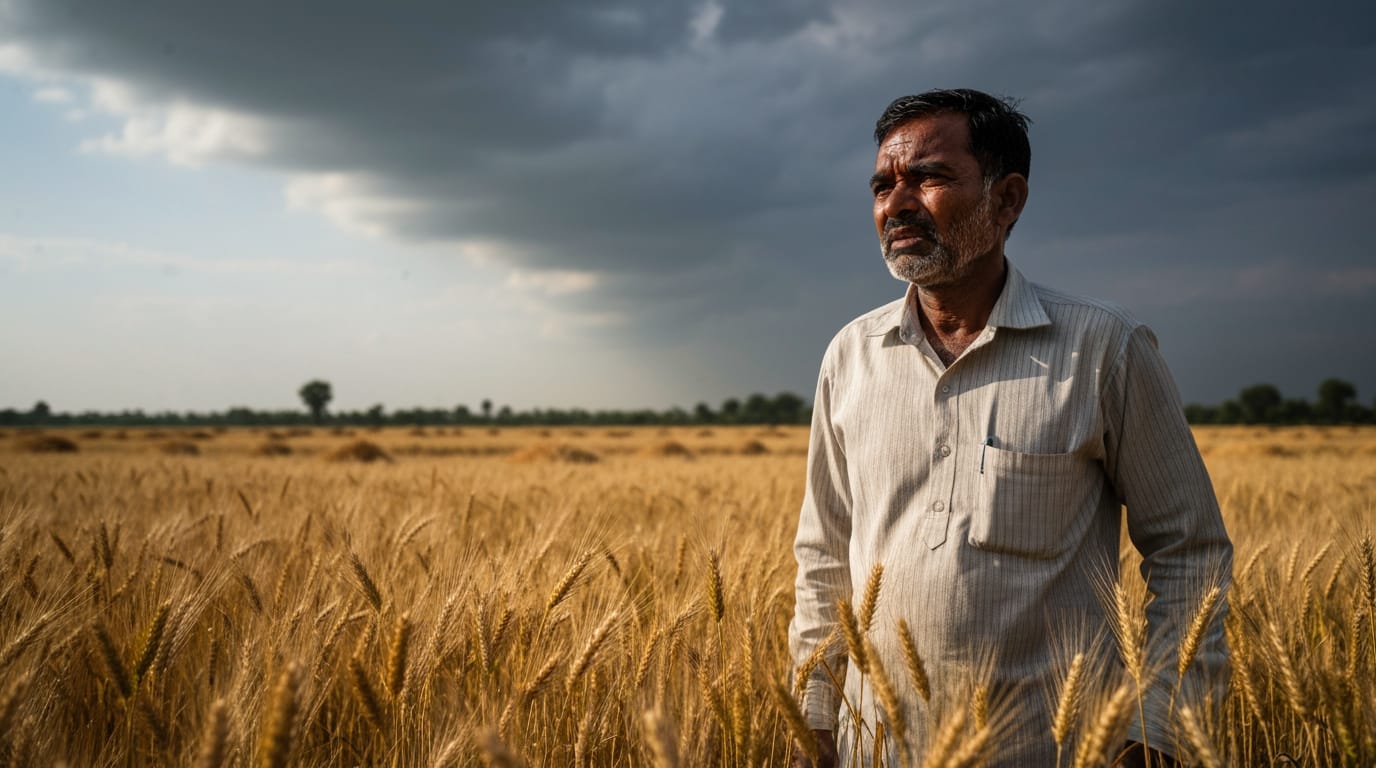
India's vibrant tapestry of harvest festivals, deeply woven into the nation's agricultural rhythm and cultural identity, faces an increasingly uncertain future as the impacts of climate change disrupt long-established seasonal patterns. These celebrations, which mark the culmination of farmers' tireless efforts and offer collective gratitude for nature's bounty, are grappling with erratic monsoons, unseasonal weather events, and rising temperatures that jeopardize crop yields and alter the very fabric of traditional life. From the golden fields of Punjab during Baisakhi to the paddy harvests celebrated during Pongal in Tamil Nadu, these festivals, integral to both economic sustenance and spiritual well-being, are now serving as poignant indicators of an unfolding ecological crisis.
The Soul of the Soil: India's Agricultural and Cultural Heartbeat
Across India's diverse landscape, harvest festivals are more than mere celebrations; they are cornerstones of cultural, social, and spiritual life, reflecting the profound connection between communities and the land. Festivals such as Lohri, Pongal, Bihu, Onam, Baisakhi, Makar Sankranti, Gudi Padwa, Ugadi, Nuakhai, Nabanna, and Wangala are celebrated at various times of the year, each tied to the specific agricultural cycles of different regions and the harvesting of staple crops like rice, wheat, and sugarcane. These occasions traditionally mark the end of one farming season and the beginning of another, providing opportunities for farmers to express gratitude for a successful harvest and to connect with their communities through rituals, traditional foods, music, and dance. They reinforce social bonds, preserve local customs, and often carry religious significance, associated with deities like Lord Surya. For instance, Pongal celebrates the rice harvest in Tamil Nadu, while Baisakhi marks the wheat harvest in Punjab, with these festivities deeply embedded in the agrarian heritage and daily lives of Indian farmers.
Climate's Unpredictable Hand: Disrupting Rhythms and Rituals
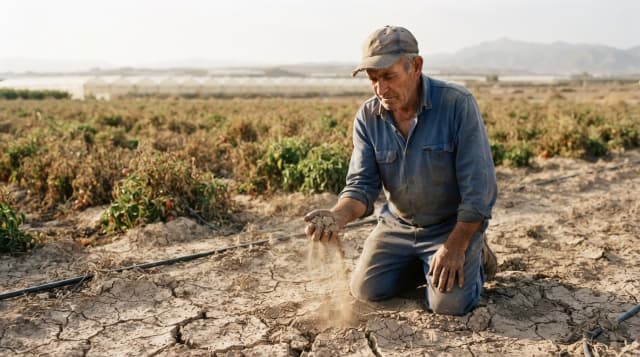
The delicate balance that underpins these celebrations is increasingly disturbed by a shifting climate. India's agriculture, highly dependent on predictable seasonal patterns, particularly the monsoon, is now confronting erratic rainfall, rising temperatures, and more frequent extreme weather events such as heatwaves, droughts, and floods. These climatic disruptions wreak havoc on crop cycles, leading to reduced yields or outright crop failures.
Specific examples illustrate the widespread impact. In Kerala, the Vishu festival, which signals the Malayali new year and a new agricultural cycle, traditionally sees the blooming of kanikonna (Indian laburnum) in mid-April. However, these golden flowers now appear as early as February, throwing traditional rhythms out of sync as summer arrives prematurely. Similarly, for Pongal, a festival intrinsically linked to the rice harvest, unseasonal rains have forced some farmers to purchase rice from markets instead of using their own yield, diminishing the spiritual connection of offering self-grown bounty.
Other festivals also bear the brunt of climate unpredictability. Ganesh Chaturthi and Navratri, often associated with the monsoon season, face challenges from shifting rain patterns that affect both agricultural productivity and the availability of essential items like clay for idols. The scarcity of flowers due to rising temperatures and erratic weather impacts festivals like Onam, known for its elaborate Pookalam (flower carpets), making traditional decorations expensive and less accessible. In Goa, local harvest festivals have struggled to source sufficient paddy due to delayed monsoons, forcing communities to borrow from outside or, in some cases, cancel traditional ceremonial processions. Unpredictable weather, including heatwaves and unseasonal rain, is also pushing outdoor festivals indoors, altering the communal essence of celebrations like Holi and Dussehra. The cumulative effect is a disruption of the entire traditional "festival calendar," as observed in regions like Odisha's Koraput district, where monsoon delays compel village priests to shift dates, highlighting a profound disconnect between age-old traditions and new environmental realities.
The Economic and Social Strain on Rural India
The ramifications of these climatic shifts extend far beyond cultural inconvenience, inflicting significant economic and social strain on India's rural populace. Agriculture supports more than 50% of India's population, making farmers, especially small and marginal landholders, highly vulnerable to climate change. Erratic weather directly leads to substantial income losses, reduced crop productivity, and increased production costs, often trapping farmers in cycles of debt. India lost 33.9 million hectares of crops to excess rains and an additional 35 million hectares to drought between 2015 and 2021. Forecasts suggest a 2.5 to 4.9°C increase in temperature could decrease wheat yields by 41-52% and rice yields by 32-40%.
The cascading impacts include food insecurity, as lower crop yields lead to reduced supply and skyrocketing prices, pushing more people, particularly marginalized communities, towards hunger and malnutrition. Women, in particular, are disproportionately affected by food shortages. This economic vulnerability also fuels migration from rural areas to urban centers in search of better opportunities, further disrupting rural livelihoods and social structures. The emotional and spiritual disconnection felt when traditional practices cannot be upheld, such as offering market-bought produce instead of one's own harvest, adds a layer of distress to the already significant financial burdens. Beyond direct agricultural losses, extreme weather events incurred an estimated $159 billion in economic losses in India in 2021 due to lost working hours, with a projected 5.8% decline in working hours by 2030 due to heat stress.
Adapting to a Changing Climate: Resilience and Innovation
In the face of these escalating challenges, concerted efforts are underway to build agricultural resilience and protect India's cultural heritage. Adaptation strategies in agriculture are crucial, focusing on adjusting farming practices to the changing climate. These include developing and promoting climate-resilient crop varieties that can withstand high temperatures, salinity, or prolonged droughts, such as the salt-tolerant Pokkali rice. Studies have shown that while rice yields are significantly impacted by extreme weather, crops like millet, sorghum, and maize demonstrate greater resilience.
Improved water management techniques are also vital, including micro-irrigation systems, rainwater harvesting, and the revival of traditional water bodies to ensure availability during dry spells. Crop diversification, moving away from monoculture to multiple crop systems, helps spread climate risk and stabilize income for farmers. Agroforestry, integrating trees with crops, offers benefits like soil erosion prevention, improved biodiversity, and enhanced carbon sequestration. Additionally, practices that enhance soil health, such as no-till farming and the use of organic inputs, are being encouraged.
Technology plays a critical role in this adaptation, with advancements in AI-based advisories, weather forecasts, and early warning systems enabling farmers to make informed decisions about planting and irrigation schedules. Government initiatives, such as the Pradhan Mantri Fasal Bima Yojana (PMFBY), aim to help farmers recover losses from weather anomalies. There is also a growing recognition of the value of integrating indigenous knowledge and ecologically sustainable practices, often embedded in tribal festivals and rituals, into modern strategies for climate resilience. These diverse efforts aim to reduce farmers' vulnerability and ensure the long-term sustainability of Indian agriculture.
Preserving Heritage in a New Climate Reality
India's harvest festivals stand as a powerful testament to the unbreakable bond between its people, their land, and their cultural heritage. The mounting pressure from climate change, manifesting in unpredictable weather and agricultural instability, poses an existential threat not only to the nation's food security but also to the centuries-old traditions that define its collective identity. The erosion of these festivals due to environmental shifts signifies a deeper cultural unraveling, as the rhythms of life, once dictated by nature, fall increasingly out of sync.
Preserving these vital traditions and the livelihoods they represent demands a comprehensive and urgent response. It necessitates a concerted effort from policymakers to implement robust climate adaptation strategies, from researchers to innovate resilient agricultural solutions, and from farming communities to adopt sustainable practices. The challenge lies in harmonizing ancient wisdom with modern science to forge a path where India's rich cultural heritage can continue to thrive, even as it navigates the profound realities of a changing global climate. This ongoing adaptation is not merely about protecting festivals; it is about safeguarding the soul of a nation rooted in its soil.