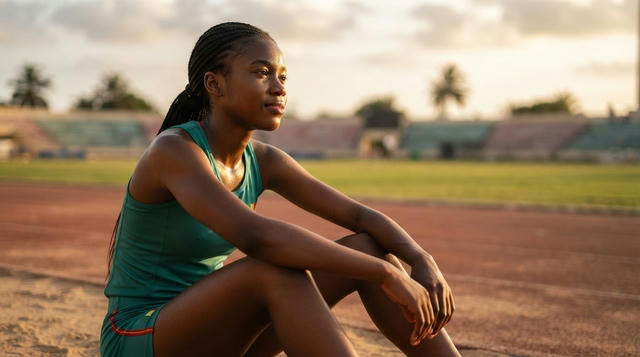
India's Sporting Revolution: Women Athletes Forge a New Golden Era
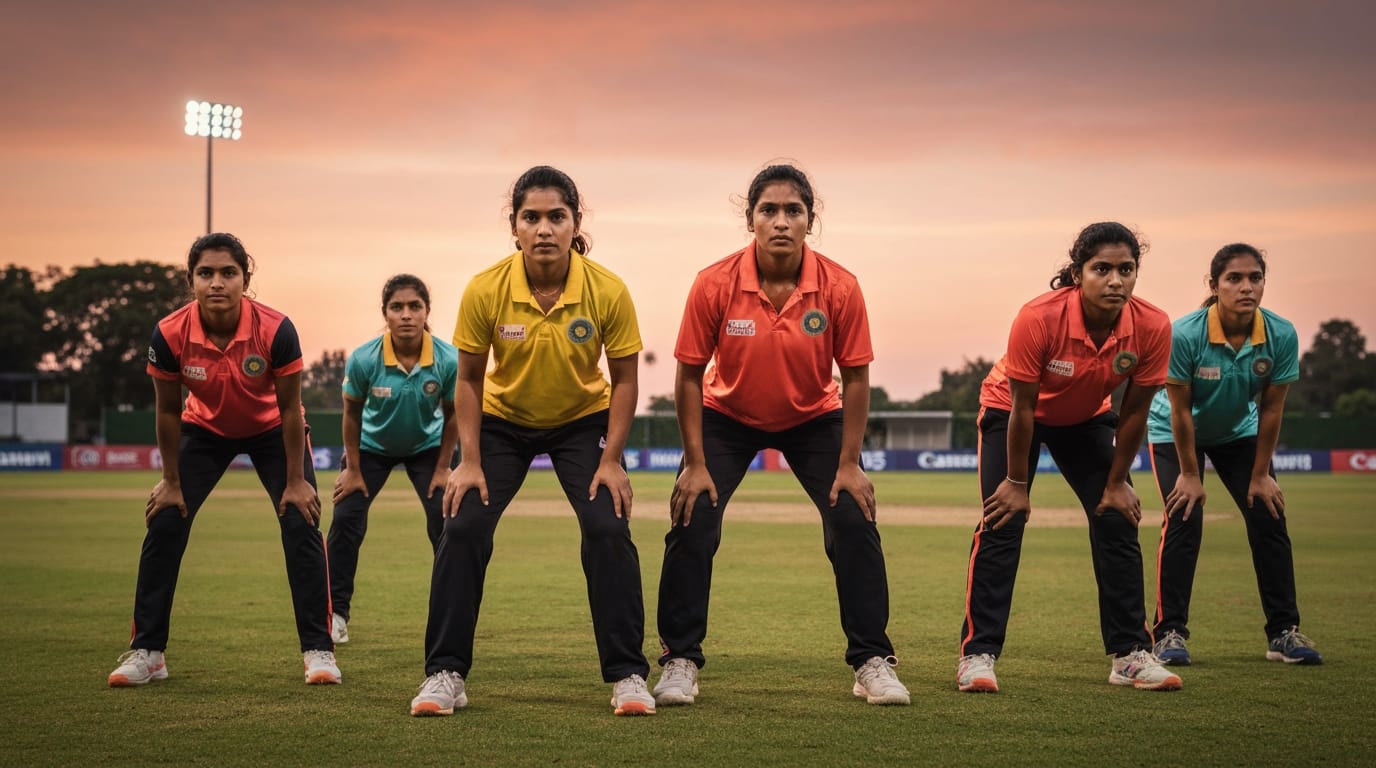
India stands at the cusp of a profound transformation in its sporting narrative, largely propelled by the extraordinary achievements and growing prominence of its women athletes. What was once a domain predominantly viewed through a masculine lens is now vibrant with female powerhouses who are not merely participating but are dominating, inspiring, and fundamentally reshaping the nation's identity on the global sports stage. This seismic shift extends beyond medal tallies, fostering a cultural change that challenges deep-seated societal norms and ignites aspirations in millions of young girls across the country.
A Cascade of Triumphs on the Global Stage
The period spanning 2024 and 2025 has marked a watershed moment, showcasing an unprecedented surge in Indian women's sporting prowess. The Paris 2024 Olympics witnessed shooter Manu Bhaker etching her name in history by becoming the first Indian woman to secure two Olympic medals in a single Games, clinching bronze in both the women's 10m air pistol and mixed 10m air pistol events. The Paralympic stage mirrored this success, with Avani Lekhara continuing her golden run, securing her second Paralympic gold in shooting at Paris 2024. Joining her in inspiring feats was Sheetal Devi, India's youngest Paralympic medallist at just 17, who demonstrated remarkable skill in para-archery, alongside Preethi Pal, who earned two Paralympic bronzes in para-athletics.
Beyond the multi-sport extravaganzas, individual athletes are making their mark across diverse disciplines. Pooja Tomar made history by becoming the first Indian woman to win a UFC fight, while Panthoi Chanu blazed a trail as the first Indian female footballer to play professionally in Australia. In athletics, the Taiwan Athletics Open 2025 saw significant contributions from Indian women, including Pooja, who secured double gold in the 800m and 1500m, and Vithya Ramraj, who triumphed with a gold in the 400m hurdles. Emerging talents such as Shaili Singh, a long jumper with national records across multiple age categories and multiple international medals, Poorva Hitesh Sawant in triple jump, and Ravada Kusuma and Susmita in long jump, are steadily ascending, poised to carry forward India's legacy in track and field. The historic Women's World Cup cricket victory in 2025 further cemented this ascendancy, triggering a revolution in sports marketing and significantly boosting the profile of women's cricket.
Breaking Barriers and Inspiring Generations
The impact of these athletes resonates far beyond the podium, initiating profound societal shifts within India. For decades, sports were predominantly perceived as a male domain, but the current landscape, rich with female champions, emphatically proves that strength, grit, and talent transcend gender. These sportswomen are not only bringing laurels to the nation but are also captivating hearts and minds, serving as powerful role models for a new generation. Young girls, from bustling urban centers to remote villages, are now looking up to these icons, daring to dream bigger and envisioning futures that defy traditional expectations.
The journey for many of these athletes has been one of immense courage and resilience, often involving overcoming significant obstacles. Many have risen from rural towns and small villages, grappling with limited resources, financial struggles, and societal barriers. Athletes like Hima Das and Mirabai Chanu, for instance, began their training with minimal equipment, their determination propelling them forward. For countless girls, pursuing sports meant challenging stereotypes and convincing families of the viability of a career in athletics. The increasing visibility of these champions is gradually dismantling these ingrained perceptions, fostering an environment where sports for girls is seen not just as a pastime, but as a legitimate path to success and empowerment.
Institutional Support and a Changing Ecosystem
This surging wave of success is not accidental; it is underpinned by a growing ecosystem of support and investment. Organizations like the Anju Bobby Sports Foundation and Anandana-The Coca-Cola India Foundation are actively nurturing and empowering young talent, providing crucial funding and state-of-the-art facilities for professional training. The Sports Authority of India also plays a vital role in supporting emerging athletes.
The financial landscape for women in sports is also undergoing a significant transformation. The Women's Premier League (WPL) in cricket has emerged as a massive success, offering female cricketers financial security and global recognition. This success, coupled with the Indian women's cricket team's World Cup triumph in 2025, has spurred a revolution in sports marketing. Brands and advertisers are now aggressively seeking to associate themselves with these new champions, a stark contrast to the past where endorsement deals for female athletes were often token gestures. This shift is expected to dramatically increase the percentage of athlete endorsement revenue going to female athletes, signaling a new era of commercial viability and investment in women's sports infrastructure and professional leagues across various disciplines. The Board of Control for Cricket in India's (BCCI) initiatives, including equal match fees and expanded central contracts, have laid a structural foundation for this moment, further demonstrating a commitment to equity and development.
Cultivating Future Champions: Grassroots and Beyond
The momentum generated by current successes is being channeled into developing future generations of athletes. Grassroots initiatives and dedicated mentors at local academies and schools are proving crucial in identifying and shaping raw talent into world-class performers. These programs are essential in reaching young individuals who might otherwise lack access to formal training and facilities. The focus on developing young talent ensures a continuous pipeline of skilled athletes, ready to represent India on national and international platforms.
The trajectory for Indian women in sports is clear, with projections indicating even greater achievements in the coming decade. The blend of grassroots grit, where many athletes overcome early challenges with sheer determination, and increasingly professional infrastructure is powering this ascent from local fields to global glory. This sustained effort in talent identification, specialized coaching, and providing adequate resources is critical for building upon the current achievements.
The Dawn of a New Sporting Era
As India moves forward, the influence of its women athletes will undoubtedly continue to expand, defining the nation's sporting future with unparalleled success and inspiring narratives. The journey of these remarkable individuals, marked by resilience, triumph, and an unwavering spirit, is not just about medals; it is about rewriting narratives, shattering stereotypes, and establishing a powerful legacy. With continued support, strategic investment, and the sheer will of these athletes, India is not just participating in the global sports arena; it is poised to lead, showcasing to the world the indomitable spirit and exceptional talent of its women.