India's Youth Confront Social Media Ban Talk: A Generation Navigates Digital Lifelines Amidst Growing Scrutiny
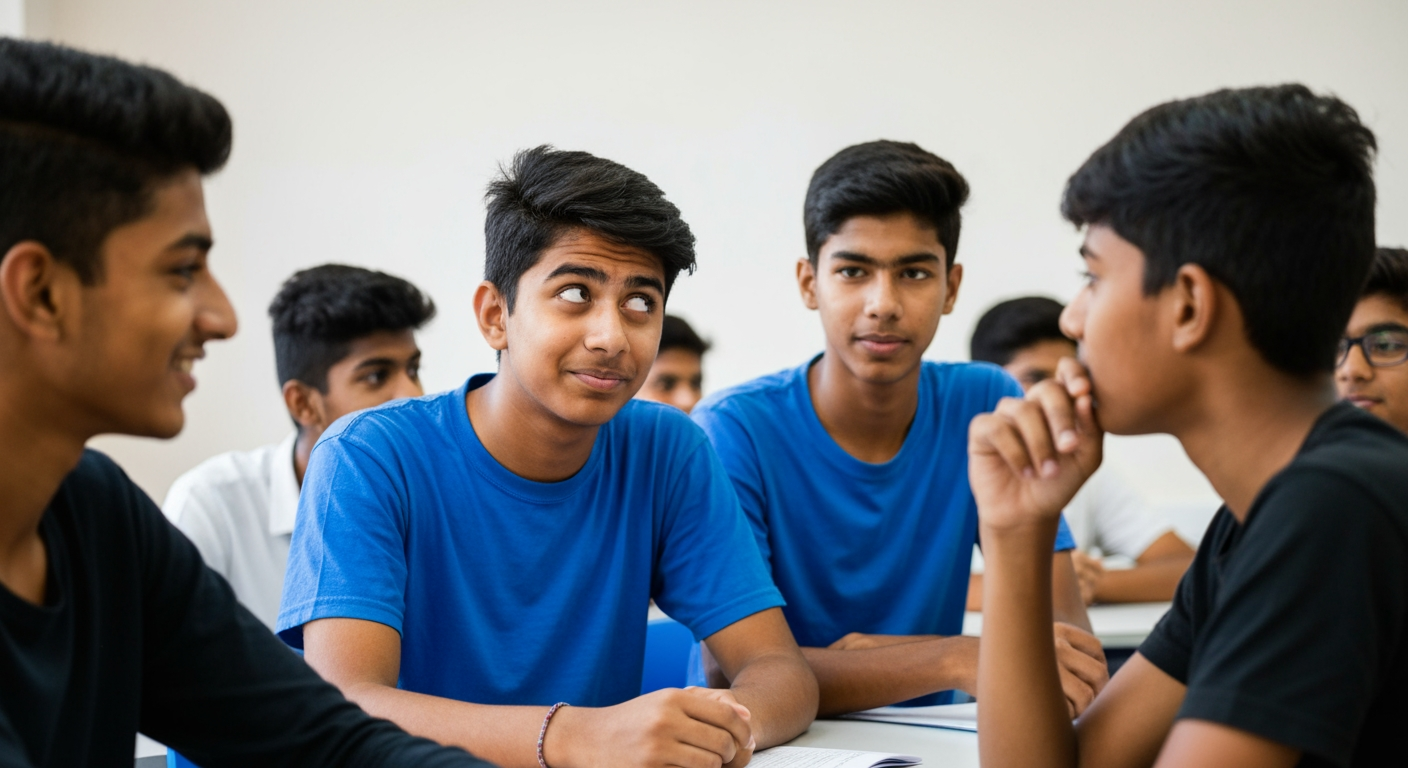
As India grapples with the pervasive influence of social media, discussions surrounding a potential ban for minors are gaining momentum, prompting a nuanced reaction from the very generation it aims to protect. While policymakers and parents voice escalating concerns over digital addiction, mental health, and online safety, the nation's burgeoning youth population, deeply integrated into the digital fabric, largely views such proposals with skepticism. The debate highlights a significant cultural and technological divide, where the perceived dangers of the online world collide with its undeniable role in modern social life, education, and self-expression for millions of young Indians.
The Rising Tide of Concern: Why a Ban is on the Table
The discourse around restricting social media access for Indian minors has intensified recently, fueled by a confluence of factors, including alarming statistics on screen time and tragic incidents. A study by the Indian Institute of Management (IIM) Rohtak revealed that young Indians spend an average of seven hours daily on social media, with females slightly exceeding males in usage. Another national survey indicated that 60% of youngsters aged 9 to 17 spend over three hours daily on social media or gaming platforms. This extensive engagement has raised red flags among government officials and health experts.
Concerns primarily center on the detrimental effects of excessive use, including heightened risks of internet addiction, anxiety, depression, and low self-esteem among youth. The exposure to harmful content, cyberbullying, and privacy vulnerabilities are also significant worries. A tragic incident in Ghaziabad, where three sisters lost their lives amidst reported screen addiction and parental conflict over mobile phone use, served as a stark catalyst, intensifying the national debate over social media regulation for children.
This domestic discourse mirrors a global trend, with several countries already taking action. Australia, for instance, banned social media access for under-16s, a move that is being closely watched internationally. France's parliament also approved a bill to ban social media for under-15s, and similar measures are under consideration in other nations like the UK, Denmark, and Greece. In India, a private member's bill has been proposed to prohibit social media accounts for those under 16, emphasizing data privacy and child protection. State governments, such as Andhra Pradesh and Goa, are also exploring such measures, while the federal government has recommended national guidelines on children's screen time, acknowledging younger users' vulnerability to compulsive use and harmful content.
A Generation Entrenched: The Digital Reality for Indian Teens
For millions of Indian teenagers, social media platforms like Instagram, WhatsApp, and Facebook are not merely recreational tools but integral parts of their daily existence. These platforms have become virtual public spaces for connecting with peers, exchanging ideas, and sharing experiences. A significant majority of Indian teenagers, over 90% according to the ASER Report (2025-26), are active social media users. This ubiquity means that for many, the idea of a social media ban is met with a sense of disbelief or an undercurrent of resignation, as these digital ecosystems are deeply woven into their social fabric.
Beyond mere entertainment, social media offers avenues for self-expression, identity formation, and access to a vast repository of information. Young entrepreneurs utilize these platforms to showcase their creativity and launch ventures. During events like the COVID-19 pandemic, social media served as a crucial lifeline, helping teenagers stay connected with friends and family during lockdowns and even facilitating the circulation of vital information regarding resources. The reliance on social media extends to educational content and professional enrichment, with platforms enabling collaborative learning and skill development.
The omnipresence of smartphones and affordable data plans has accelerated this digital integration, making social networking sites easily accessible with a touch of a finger. Consequently, the ability to completely disengage or be forcibly disconnected from these platforms presents not just a practical challenge but also a profound disruption to their established modes of communication and interaction.
The Double-Edged Sword: Benefits and Detriments of Online Life
Social media's impact on Indian youth is decidedly complex, presenting both significant opportunities and considerable challenges. On the positive side, these platforms foster communities, enable access to educational content, and support skill development, particularly through EdTech platforms. They provide avenues for professional networking and even help vulnerable youth, such as queer and differently-abled individuals in rural India, find crucial support networks absent in their physical environments. This digital landscape allows for self-organization, creativity, and the ability to engage in social and political discussions.
However, the dark side of this digital engagement is equally pronounced. The extensive screen time contributes to mental health concerns, including anxiety, depression, and low self-esteem, often exacerbated by exposure to idealized images and constant comparisons with influencers. Internet addiction is a growing problem, leading to inattentiveness, stress, and poor academic performance. Cyberbullying and privacy breaches are also significant risks, with personal information shared online susceptible to exploitation. The shift from face-to-face interactions to web-based ones has been linked to reduced real-life social skills and increased feelings of loneliness and isolation. Moreover, the proliferation of misinformation and unverified claims on social media can negatively influence youths' views and beliefs. The Economic Survey 2025-26 officially flagged compulsive scrolling and digital addiction as a major public health concern for India's youth, directly linking high screen time to worsening mental health outcomes in the 15-24 age group.
Navigating the Future: Enforcement, Challenges, and Alternatives
The path toward regulating social media use among minors in India is fraught with practical and ethical complexities. Implementing an outright ban faces significant hurdles, as teenagers, often more tech-savvy than regulators, can easily bypass restrictions using VPNs or by faking their ages. Such measures might inadvertently push younger users toward less regulated and potentially more dangerous online spaces. Critics also argue that a blanket ban could isolate vulnerable youth who rely on these platforms for support and information.
Furthermore, the responsibility of age verification poses a challenge for both platforms and parents. While some parents welcome the idea of a ban, others highlight that parental engagement is key, suggesting that handing phones to children to keep them occupied is part of the problem. The absence of specific requirements for social media intermediaries to protect children under 18 proactively also complicates enforcement.
Rather than outright prohibition, the Indian government has already moved towards stricter regulation for social media platforms. Recent amendments to the Information Technology (Intermediary Guidelines and Digital Media Ethics Code) Rules, 2021, mandate that companies must take down unlawful content within three hours of being notified. This significantly tightens the previous 36-hour timeline and applies to a wide range of content, including AI-generated or deepfake material, which now must be prominently labeled. This approach places a greater onus on tech companies to actively police their platforms, a step digital rights advocates view with caution due to concerns over potential censorship. The emphasis, according to experts, should be on fostering a healthy media ecology through digital literacy, privacy awareness, and responsible online behavior, rather than solely through blunt bans. Educational institutions, parents, and communities are encouraged to play vital roles in promoting balanced digital habits.
Conclusion
The debate surrounding a social media ban for Indian teenagers encapsulates a broader societal struggle to adapt to the rapid pace of technological change. While concerns over youth well-being, mental health, and data security are legitimate and pressing, the deeply embedded nature of social media in daily life for a digitally native generation means that simple solutions are unlikely to suffice. The "eye-rolling" reaction from many young people reflects their lived reality, where these platforms serve multiple essential functions. The path forward for India will likely involve a multi-pronged strategy that combines robust regulatory frameworks, enhanced digital literacy education, proactive parental guidance, and continuous dialogue among all stakeholders. Balancing the imperative to protect young minds with the recognition of social media's pervasive role will be crucial in shaping a digital future that supports the growth and well-being of India's vast youth population.
Sources
- madhyamamonline.com
- revistaclinicapsicologica.com
- ijrar.com
- allresearchjournal.com
- ijrrjournal.com
- shankariasparliament.com
- insightsonindia.com
- vnexpress.net
- whalesbook.com
- healthandme.com
- themorning.lk
- inspirepreneurmagazine.com
- gulf-times.com
- economictimes.com
- newindianexpress.com
- projectguru.in
- channelnewsasia.com
- tribune.com.pk
- newsonair.gov.in
- indianexpress.com
Related Articles


Mounting Frustration Grips Russia as Economic Hardship and War's Toll Deepen
Moscow, Russia – A palpable shift in public sentiment is emerging across Russia, with growing frustration among citizens fueled by a confluence of economic pressures, increasing internet restrictions, and the undeniable...

Germany's Strategic Calculus: Ukraine Aid is an Investment in European Security, Not Charity
Berlin – The ongoing provision of substantial aid to Ukraine by Germany and its allies is increasingly being framed not as an act of altruism, but as a crucial investment in European security and stability. This...