Nigeria's Clean Cooking Ambition Faces Steep Climb as 2030 Deadline Looms
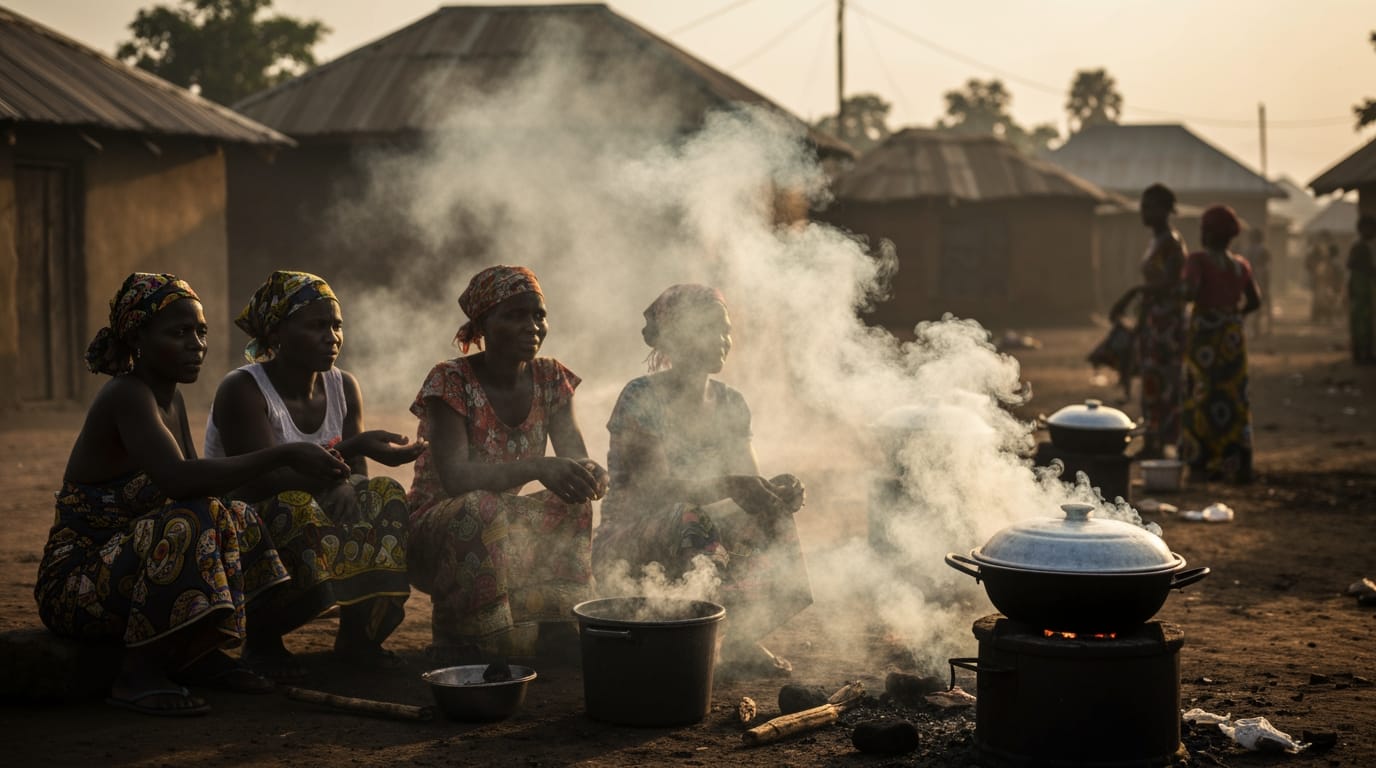
Nigeria is embarking on an ambitious journey to achieve universal access to clean cooking by 2030, a goal that stands as a critical pillar in its broader energy transition and climate change commitments. Despite national policies and significant planned interventions, the West African nation currently grapples with a substantial gap in clean cooking access, leaving millions vulnerable to severe health and environmental repercussions. As of 2023, only 26.2% of Nigeria's population had access to clean cooking fuels and technologies, with an overwhelming 167 million people still relying on traditional, polluting methods. The path to widespread adoption is fraught with challenges, yet the government and various stakeholders are mobilizing efforts, recognizing the profound social, economic, and ecological benefits at stake.
The Pervasive Impact of Traditional Cooking Methods
The reliance on traditional cooking fuels like firewood, charcoal, and kerosene remains deeply entrenched across Nigeria, particularly in rural areas. Data from 2023 indicates a stark disparity, with only 9.7% of the rural population having access to clean cooking compared to 48.7% in urban centers. Overall, approximately 68.3% of Nigerian households use solid biomass for cooking, with estimates showing 62% use wood, 20% kerosene, and just 10.5% Liquefied Petroleum Gas (LPG). This widespread practice carries a heavy toll on public health and the environment.
Indoor air pollution from cooking smoke is a silent killer, contributing to respiratory illnesses, lung cancer, and premature deaths, disproportionately affecting women and children who spend the most time near traditional cookstoves. The World Health Organization estimates that smoke from kitchen fires is responsible for 93,300 deaths annually in Nigeria, with some reports indicating figures as high as 132,000 deaths each year attributable to household air pollution. This health crisis is further exacerbated by the environmental degradation linked to biomass consumption. The demand for firewood drives deforestation, with Nigeria losing an estimated 400,000 hectares of forests annually, contributing to climate change and emitting approximately 55 million metric tonnes of CO2e from residential cooking alone.
Nigeria's Ambitious Blueprint for Change
In response to this pressing issue, the Nigerian government has formalized its commitment through the National Clean Cooking Policy, which received approval in March 2024 and was subsequently launched in May 2024. The overarching goal of this policy is to achieve universal access to clean cooking energy solutions for all households and institutions by 2030. This ambitious target is integrated into Nigeria's broader Energy Transition Plan, which aims for net-zero emissions by 2060, aligning with the country's Nationally Determined Contributions (NDC) under the Paris Agreement and the Climate Change Act.
The policy outlines specific targets for the clean cooking energy mix by 2030: 54% LPG usage, 13% improved cookstoves, 20% electric stoves, 3% biogas, 5% biofuels, and 5% briquettes. To achieve these goals, the government aims to provide clean cooking energy to 28.8 million households through LPG and 7.3 million households through improved cookstoves. A major initiative involves the planned distribution of 80 million efficient cookstoves nationwide, with Lagos State spearheading efforts by committing to provide 6 million free cookstoves, commencing distribution in Makoko in June 2025. Beyond health and environmental benefits, the program projects significant economic gains, including the potential to generate up to $5 billion annually from verified carbon credits and create 10 million direct jobs across the value chain.
Navigating the Hurdles: Affordability, Awareness, and Infrastructure
Despite the comprehensive policy framework, Nigeria faces considerable challenges in translating its clean cooking aspirations into reality. Affordability remains a formidable barrier, especially given that 40.1% of the population lives below the poverty line. The rising costs of LPG and kerosene have regrettably forced many households to revert to cheaper, traditional biomass fuels, undermining progress.
Supply chain weaknesses and limited availability of clean cooking technologies, particularly in remote rural areas, further impede adoption. Compounding this is a significant lack of awareness regarding the benefits of clean cooking, coupled with cultural practices that favor traditional methods, especially in communities with limited access to modern information channels. Although policies are in place, their effective implementation, consistent monitoring, and ensuring sustained usage of new technologies present ongoing challenges. Historical reluctance from government entities to fully support clean cooking projects has also been noted as an impediment. Furthermore, inadequate infrastructure, such as the limited distribution network for LPG, which predominantly serves urban centers, and issues with electricity reliability, even for the 60% of the population with access, pose significant hurdles. Funding shortages also loom large, with experts suggesting that achieving universal access across Africa by 2030 would require an annual investment of approximately $2 billion, a substantial amount that currently seems unlikely.
Forging Ahead: Innovation, Policy Reform, and Collaborative Action
To surmount these obstacles, a multi-faceted approach involving innovation, targeted policy reforms, and robust collaboration is essential. Organizations like BURN Manufacturing have demonstrated impact, distributing over 650,000 clean cookstoves since 2018, reaching more than 2 million people and operating a factory in Kano capable of producing 100,000 stoves monthly.
Key policy reforms are critical, including the implementation of fiscal policies that provide tax incentives for clean cooking technologies and the classification of clean cookstoves as essential goods to reduce costs for consumers. Leveraging carbon markets is also seen as a viable mechanism to subsidize clean cookstoves and generate much-needed revenue. The government is actively exploring the potential of e-cooking, recognizing its lower investment costs compared to LPG and biogas, with a target to achieve 20% electric stove usage by 2030. Strong partnerships among government bodies, the private sector, civil society organizations, and international development partners, such as the World Bank, are proving indispensable in scaling up initiatives and building local capacity.
Nigeria's commitment to clean cooking by 2030 represents a monumental undertaking with the potential to transform public health, environmental sustainability, and economic prosperity for millions. While the National Clean Cooking Policy and associated initiatives lay a crucial foundation, the ultimate success hinges on overcoming deep-seated barriers through sustained political will, innovative financing, and coordinated implementation. The ambitious targets are clear, but the path to truly achieving universal access will require unwavering dedication and collective action to ensure that every Nigerian household can cook cleanly and safely. The critical question remains whether the robust plans, monitoring frameworks, and market demand can align to match the sheer scale of the nation's promise.