Indigenous Voices Reshape Amazon Narrative, Shattering Western Stereotypes
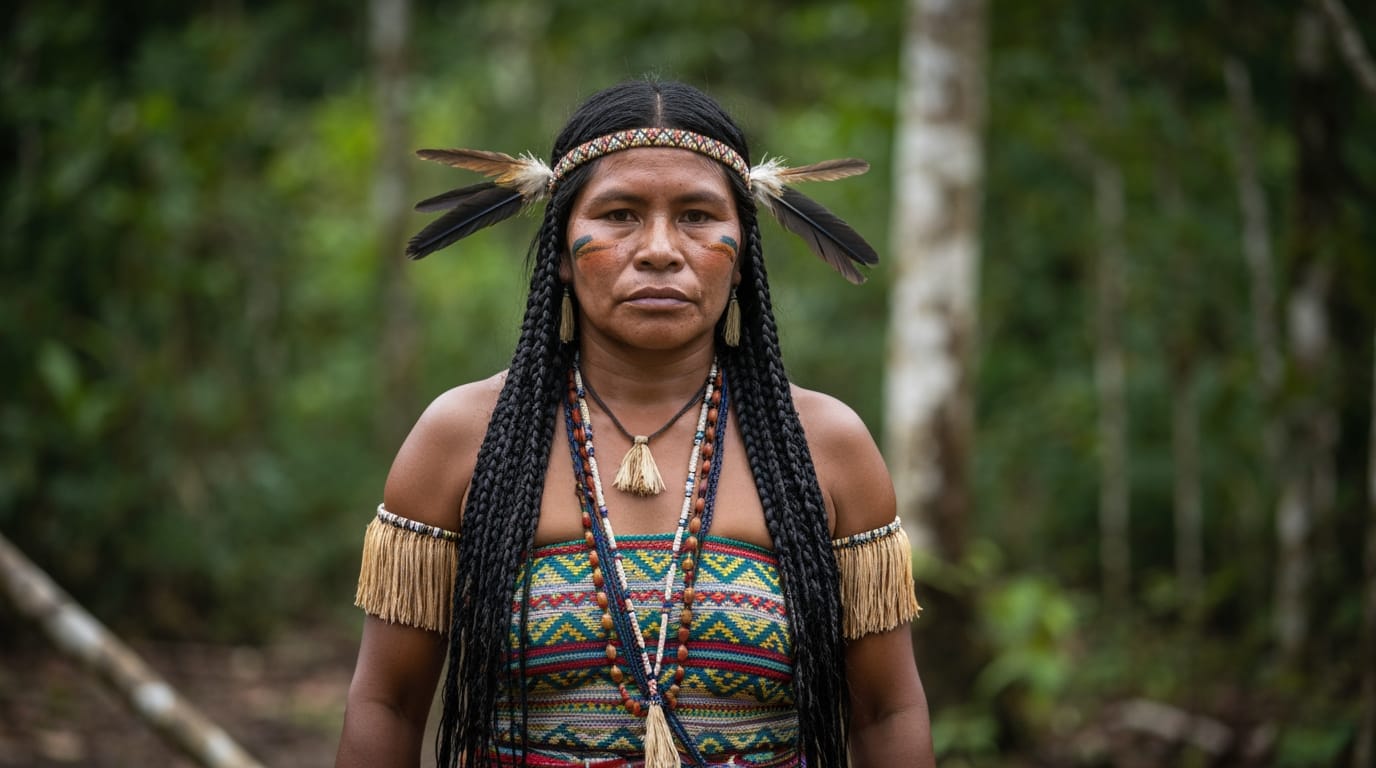
For centuries, Western imagination has cast the Indigenous peoples of the Amazon as either romanticized "noble savages" existing in an "untouched wilderness" or, conversely, as primitive relics of a bygone era. Today, a powerful and multifaceted movement from within Amazonia is systematically dismantling these persistent clichés, asserting Indigenous autonomy, showcasing sophisticated ecological knowledge, and engaging with the modern world on their own terms. This paradigm shift is not merely academic; it is a vital re-evaluation that reveals Indigenous communities as indispensable custodians of the rainforest and influential actors on the global stage, challenging deeply ingrained misconceptions.
The Myth of the Pristine Wilderness and the "Ecological Indian"
A foundational Western misconception, perpetuated for generations, is that the Amazon rainforest was an unpopulated and untouched natural expanse. Recent archaeological and ecological research, however, reveals a starkly different reality: Indigenous peoples have actively managed and shaped the Amazon for thousands of years, transforming it into the biodiverse ecosystem it is today. They developed sophisticated agricultural practices, such as the creation of nutrient-rich Terra Preta soil, and even constructed monumental structures like roads and canals. This ancient legacy directly contradicts the image of a "virgin" forest, highlighting a long history of human-environment interaction.
Further evolving from the "Noble Savage" stereotype is the "Ecological Indian" cliché, which positions Indigenous peoples as innately spiritual "first environmentalists" living in perfect harmony with nature. While many Indigenous cultures do possess a profound and sustainable relationship with their environment, this stereotype can be deeply damaging. It can inadvertently shift the burden of environmental protection solely onto Indigenous communities, absolving settler-colonizer societies of their own responsibility for ecological destruction. Moreover, it can impose an impossible standard, leading to harsh criticism if Indigenous actions are perceived to impact the environment, thereby erasing the complex and dynamic ways these communities have always interacted with their landscapes. Negative portrayals, such as the discredited branding of the Yanomami as "the meanest people on the planet," have historically been used to justify harmful policies and disregard their rights.
Guardians of Biodiversity: Beyond Romanticization to Proven Efficacy
Far from being passive inhabitants, Amazonian Indigenous peoples are increasingly recognized as the most effective guardians of the rainforest. Research consistently demonstrates that Indigenous-managed territories exhibit significantly lower rates of deforestation and are more likely to act as carbon sinks compared to areas outside their stewardship. This is not merely due to an innate connection but stems from centuries of accumulated Traditional Ecological Knowledge (TEK) and active, often perilous, conservation efforts.
These communities employ a blend of traditional practices and modern technology to protect their lands. For instance, Indigenous groups in the Peruvian Amazon have successfully utilized satellite-based deforestation alerts, leading to a remarkable 52 percent reduction in deforestation rates in their territories within a single year. Women, in particular, play a crucial role, nurturing medicinal plants, collecting seeds for reforestation, and actively patrolling their ancestral lands against illegal mining and logging. The Kayapo people of Brazil exemplify this proactive stance, maintaining guard posts to monitor access to their territory and building alliances with external organizations to secure funding and logistical support for their conservation work. Their success in preserving vast tracts of rainforest is a testament to their strong cultural identity and sophisticated understanding of both their environment and the external world.
However, this guardianship comes at a high cost. Indigenous communities are on the front lines, facing threats from illegal mining, logging, ranching, and organized crime. Advocates and leaders, such as Juma Xipaia, who has defended her Xipaya people's land against massive dam projects and illegal incursions since her youth, often face death threats for their activism. The tragic assassination of Indigenous rights advocates alongside journalists serves as a grim reminder of the dangers inherent in their struggle.
A Voice on the Global Stage: Asserting Autonomy and Rights
Amazonia's Indigenous peoples are no longer content to have their fate decided by external forces. They are actively asserting their political agency and advocating for their rights on national and international platforms, demanding self-determination and territorial sovereignty. This involves direct engagement with global leaders and policymakers, challenging the historical exclusion from decisions that profoundly affect their lands and livelihoods.
Indigenous leaders from across the Amazon region, for example, attended the World Economic Forum in Davos, Switzerland, in 2024. There, they shared perspectives on building economies that harmonize with nature and emphasized the critical need for their full and effective participation in decision-making processes. Fany Kuiru, the General Coordinator of the Coordinating Body of Indigenous Organizations of the Amazon Basin (COICA), representing 511 Indigenous communities, underscored that Indigenous peoples are "the best guardians of the Amazon" and must be at the table.
A significant recent development is the Pucallpa Declaration, formulated in February 2026 by over 60 Indigenous leaders from Brazil, Colombia, Ecuador, and Peru. This declaration is a collective call to defend life and territorial autonomy against the growing threat of organized crime and illicit economies invading their territories. It advocates for the recognition of Indigenous self-determination, self-government, and effective territorial control as essential tools to combat these threats, demanding that states combat corruption, recognize Indigenous territories, and respect Indigenous justice systems. These actions highlight their proactive role in shaping policies and their insistence on sovereignty under international law.
Diverse Cultures, Modern Realities, and Enduring Resilience
The notion of a monolithic "Amazonian tribe" is another pervasive Western cliché that Indigenous communities are breaking down. The Amazon basin is home to approximately 385 distinct Indigenous groups, speaking around 300 different languages and representing an immense diversity of cultures, worldviews, and governance systems. Each community possesses unique traditions, knowledge, and perspectives, further enriching the cultural tapestry of the region.
These communities are not frozen in time; they are dynamic societies that adapt and engage with modernity while retaining their cultural heritage. Many Indigenous individuals are fluent in contemporary technologies, using mobile phones and social media to communicate, organize, and publicize their struggles to a global audience. Indigenous youth are at the forefront of this, innovating and creating solutions to challenges like climate change, often by integrating ancestral knowledge with modern approaches. They are working to bridge gaps in essential services like electricity, bringing sustainable energy solutions to remote communities.
While facing immense pressures, including land invasion, violence, and the health impacts of mercury contamination and malnutrition, Indigenous communities exhibit extraordinary resilience. They continue to assert their rights, defend their territories, and adapt to rapidly changing circumstances, demonstrating that their cultures are neither fragile nor static but robust and evolving.
A New Chapter of Understanding
The ongoing efforts of Amazonia's Indigenous peoples are fundamentally reshaping global perceptions, moving away from simplistic, often romanticized or derogatory, Western clichés towards a more accurate and respectful understanding. They are demonstrating their crucial role as sophisticated environmental stewards, vital political actors, and diverse, dynamic societies. As the world grapples with climate change and biodiversity loss, recognizing and supporting the autonomy and traditional knowledge of these communities is not just an act of social justice but a pragmatic necessity for the future of the Amazon and, by extension, the planet. Their struggle is a powerful reminder that genuine solutions often lie in empowering those who have long understood the intricate balance of life in Earth's most vital ecosystems.