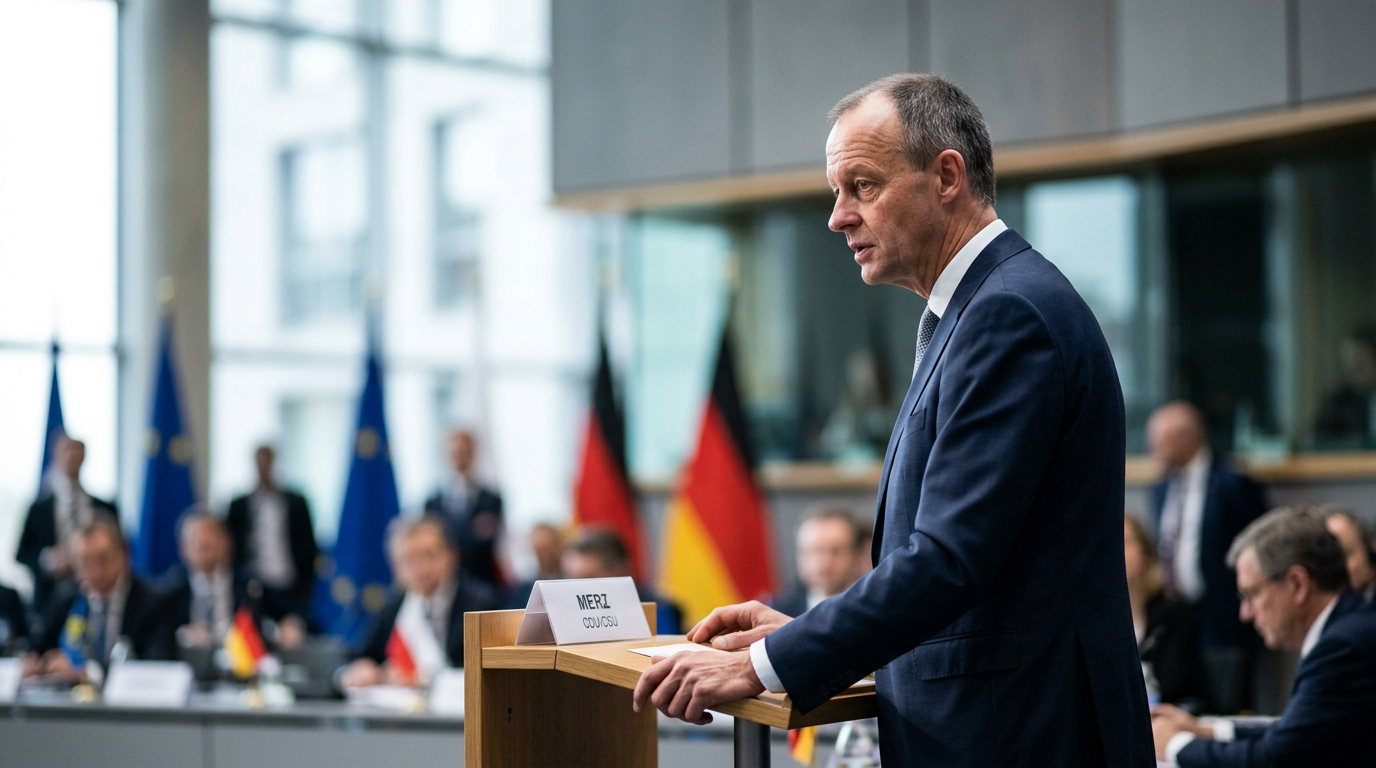
International Criminal Court Delivers 20-Year Sentence to Notorious Darfur Janjaweed Leader

THE HAGUE, Netherlands – In a landmark decision for international justice, the International Criminal Court (ICC) on Tuesday sentenced Ali Muhammad Ali Abd-Al-Rahman, widely known as Ali Kushayb, to 20 years in prison for a litany of war crimes and crimes against humanity committed during the devastating conflict in Sudan's Darfur region more than two decades ago. The judgment marks a pivotal moment, being the first conviction by the ICC related to the Darfur atrocities, offering a measure of justice to countless victims of one of the 21st century's most brutal conflicts.
The Architect of Atrocities Brought to Account
Ali Muhammad Ali Abd-Al-Rahman, 76, a senior commander of the feared Janjaweed militia, stood impassively as Presiding Judge Joanna Korner delivered the sentence. He was found guilty in October of 27 counts, encompassing murder, rape, torture, persecution, and other inhumane acts carried out between August 2003 and April 2004 in Darfur. The prosecution had sought a life sentence, arguing that Kushayb committed these crimes "knowingly, willfully, and with... enthusiasm and vigor". The court's ruling highlighted his direct participation in and ordering of atrocities, including bludgeoning prisoners to death with an axe and overseeing a "campaign of extermination, humiliation, and displacement". Victim testimonies, read aloud in court, painted a harrowing picture of suffering, describing days of torture and streets running freely with blood.
The sentence, while substantial, was arrived at after the court considered several mitigating factors, including Kushayb's voluntary surrender, his age, and good behavior during his detention. However, the court also emphasized the extreme gravity of the crimes and the large number of victims, which included at least 213 people murdered and 16 women and girls who were victims of rape. His time in detention since June 2020 will be deducted from the 20-year term.
Darfur: A Conflict Rooted in Marginalization
The conflict in Darfur, a vast region in western Sudan, erupted in 2003. It stemmed from long-standing grievances among ethnic African groups who felt marginalized and neglected by the central government in Khartoum. These groups, primarily the Sudan Liberation Movement (SLM) and the Justice and Equality Movement (JEM), launched a rebellion to demand greater political representation and an end to economic disparity.
In response, the Sudanese government, then under President Omar al-Bashir, unleashed a brutal counter-insurgency campaign. A key component of this strategy was the arming and backing of Arab militias, collectively known as the Janjaweed (Arabic for "devils on horseback"). These militias, recruited from Arabized indigenous Africans, were deployed to suppress the rebellion, and their tactics quickly escalated to widespread attacks on civilian populations perceived as supporting the rebels. Villages were destroyed, and civilians were intentionally targeted through systematic campaigns of murder, rape, plunder, and the destruction of livelihoods. The violence, which peaked between 2003 and 2005, led to an estimated 300,000 deaths and displaced millions, many fleeing to refugee camps within Darfur and in neighboring Chad. The United Nations and various human rights organizations have frequently described the atrocities as acts of ethnic cleansing and genocide.
A Long and Arduous Path to International Justice
The ICC's involvement in Darfur began in 2005 when the United Nations Security Council, through Resolution 1593, referred the situation to the court. This was a significant step, as Sudan is not a state party to the Rome Statute, which established the ICC. The referral granted the ICC jurisdiction over crimes committed in Darfur since July 1, 2002.
An arrest warrant for Ali Kushayb was issued by the ICC in 2007. For years, he evaded capture, continuing his activities within Sudan. However, a turning point came in February 2020 when a new Sudanese transitional government announced its intention to cooperate with the ICC's investigations. Fearing for his life, Kushayb fled to the Central African Republic (CAR) and, in June 2020, voluntarily surrendered to a UN peacekeeping mission near the Sudanese border, subsequently being transferred to ICC custody in The Hague. His trial commenced in April 2022. The successful prosecution of Kushayb underscores the court's perseverance in holding perpetrators accountable, even after years of evasion and in regions outside its direct signatory jurisdiction.
A Message of Accountability Amidst Lingering Challenges
The conviction and sentencing of Ali Kushayb represent a powerful affirmation of international law and a beacon of hope for victims seeking justice globally. Adam Rijal, a spokesperson for the General Coordination of Displaced Persons and Refugee Camps in Sudan, welcomed the verdict as a "historic" step toward accountability. However, Rijal also articulated a sentiment shared by many victims' representatives: that while significant, the 20-year sentence does not fully reflect the immense scale and severity of the atrocities committed. There remains a strong call for the prosecution of other individuals indicted by the ICC for crimes in Darfur, most notably former Sudanese President Omar al-Bashir, who also faces charges of genocide, war crimes, and crimes against humanity.
The case of Ali Kushayb sends a clear message that even high-ranking perpetrators of mass atrocities, regardless of how long they evade justice, can ultimately be held responsible for their actions. While violence continues to plague Darfur, with renewed hostilities and humanitarian concerns in recent years, this ruling reinforces the principle that impunity for grave international crimes will not be tolerated. It serves as a testament to the enduring quest for truth, justice, and lasting peace for the people of Darfur.
Related Articles

Ratko Mladić, "Butcher of Bosnia" and Convicted War Criminal, Dies at 84
THE HAGUE, Netherlands – Ratko Mladić, the former Bosnian Serb military commander known as the "Butcher of Bosnia" and convicted of genocide, war crimes, and crimes against humanity, has died at the age of 84. Serbian...

Long-Awaited 9/11 Mastermind Trial Set for 2028, Decades After Attacks
GUANTANAMO BAY, Cuba – Nearly a quarter-century after the devastating terror attacks of September 11, 2001, a military judge has finally set a trial date for Khalid Sheikh Mohammed, the alleged mastermind behind the...