Iran: A Nation Caught Between Fury, Fear, and the Unyielding Hope for Change
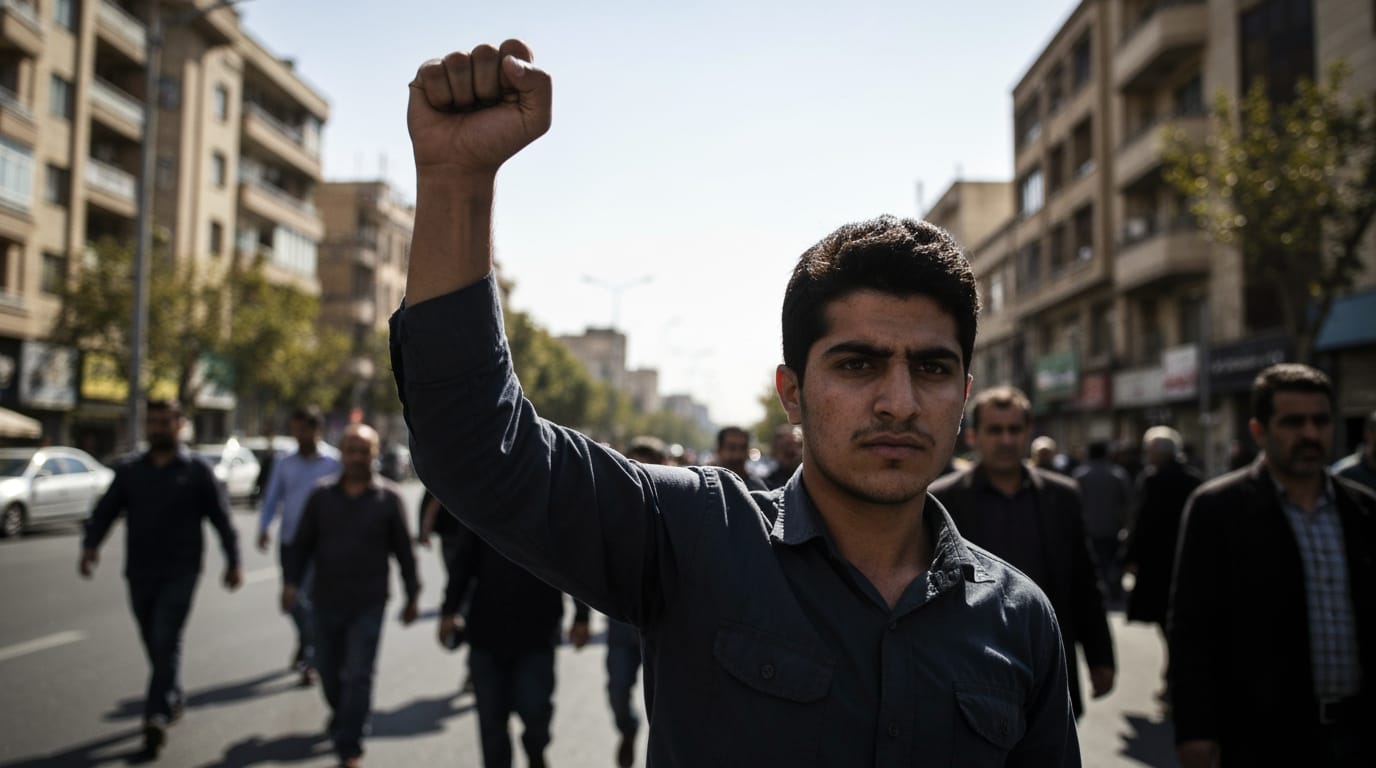
A profound and complex tension grips Iran, where a population grapples with a deepening economic crisis, pervasive state repression, and a persistent, often defiant, desire for fundamental change. From the bustling bazaars to the quiet corners of homes, a potent mix of anger over deteriorating living conditions, fear of brutal state crackdowns, and an unshakeable aspiration for greater freedoms defines daily life for millions. This intricate dance of emotions has fueled several waves of protests, most notably the "Woman, Life, Freedom" movement and recent nationwide demonstrations sparked by economic collapse, pushing the nation to a critical juncture.
The Economic Crucible and Social Constraints Fueling Discontent
Iran is navigating its deepest and longest economic crisis in modern history, a primary driver of widespread public anger. As of January 2026, the nation faces soaring inflation, which reached over 48.6% in October 2025 and 42.2% in December 2025, severely impacting household budgets. The national currency, the rial, has plummeted to its lowest value ever, trading at 1,750,000 rials to one US dollar, exacerbating the cost of living. Such economic pressures have led to severe food shortages and an energy crisis, resulting in daily power outages across the country. By March 2025, estimates indicated that between 22% and 50% of Iranians were living below the poverty line, a significant increase from 2022. Compounding these issues are years of internal mismanagement and systemic corruption, which have brought the economy to a near "point of no return."
Beyond economic hardship, rigid social restrictions contribute significantly to public indignation. Compulsory hijab laws and other forms of discrimination against women have been a long-standing source of resentment. The death of Mahsa Amini in September 2022, after her arrest by morality police for allegedly wearing her hijab improperly, ignited the "Woman, Life, Freedom" movement, a powerful expression of collective anger against state control over women's lives. More recent protests, which began in late December 2025, were initially triggered by this economic collapse and rising costs, quickly evolving to include explicit anti-regime sentiments, with chants calling for "Death to the Dictator." These demonstrations are considered the largest uprising since the 1979 revolution, highlighting the depth of frustration with the current system.
The Shadow of Repression: A Climate of Fear
The Iranian authorities have consistently met dissent with brutal and targeted repression, fostering a pervasive climate of fear. Human Rights Watch reported in January 2025 that despite promises of change from the new Iranian president, repression continued, specifically targeting human rights defenders, women, and ethnic and religious minorities. The response to the 2025-2026 protests has been characterized by "unprecedented brutality." Thousands were killed in crackdowns during this period. Official figures for death tolls reached 12,000 civilians by January 13, 2026, while the Human Rights Activists News Agency estimated over 7,000 deaths, suggesting the actual number could be much higher.
In addition to mass killings, repression includes mass arrests and executions. Over 50,000 individuals were detained in late 2025. Iran was among the top five countries globally for executions in 2023, with more than 400 people executed in the first half of 2024. Reports document severe human rights abuses, including torture, sexual violence, forced confessions, and mock executions, particularly in prisons like Evin and secret detention centers. Detainees are often denied basic due process rights and medical care.
A key tool of state control has been the severe restriction of information and communication. Authorities have imposed near-total internet blackouts during major protest waves, such as in 2019 and during the 2025-2026 demonstrations, to conceal their actions and suppress dissent. Increased surveillance, including through state-sponsored vigilantism, targets those defying compulsory hijab laws under initiatives like the "Noor plan." This systemic suppression creates a deep sense of trauma and despair among the populace, with some describing themselves as "walking corpses, people with no hope left to continue living."
The Unyielding Call for Change: A Nation's Aspirations
Despite the severe repression, the desire for change in Iran remains potent and widespread, manifesting in various forms of activism and calls for fundamental reforms. The "Woman, Life, Freedom" movement, ignited by Mahsa Amini's death, has evolved into an "irreversible social resistance" among the younger generation, advocating for an end to discriminatory laws and greater political and social freedoms.
Youth are at the forefront of this movement, representing a new generation that is politically conscious, digitally connected, and globally aware. They demand a future aligned with their aspirations for freedom, equality, and secular governance, advocating for the separation of religion and state and political pluralism. This generational shift is notable, as these younger Iranians often look for cultural, political, and social modernization, seeking individual liberties and broader aspirations of freedom and happiness.
The calls for change extend beyond social reforms to fundamental political transformation. Protesters in the 2025-2026 unrest explicitly demanded an end to the Islamic Republic system and the establishment of a new government that respects human rights and dignity. Underground youth groups have formed alliances, publishing manifestos that outline demands for a democratic, secular government with full equality for all citizens and adherence to human rights. The participation in these movements is broad, encompassing various ages, families, working-class communities, and different ethnic and religious minorities, demonstrating a societal-wide yearning for a different future.
Navigating a Precarious Future: Domestic Tensions and Global Echoes
The profound domestic unrest in Iran increasingly shapes its foreign policy, pushing Tehran towards a more reactive stance. Faced with public dissatisfaction and economic hardship, the leadership is reassessing some confrontational policies, though repression at home continues. The regime often frames domestic protests as foreign-instigated, particularly blaming the United States and Israel, which in turn reinforces a confrontational approach in its external relations. This strategy aims to delegitimize protesters and rally nationalist sentiment, but it also reflects a vulnerability and a siege mentality.
The complex interplay of anger, fear, and the desire for change creates a volatile internal landscape. While the state's overwhelming use of force has suppressed visible street protests, the underlying grievances persist. Many Iranians, including some traditionally conservative segments like bazaar merchants, are increasingly dissatisfied with the government's performance, even if they don't explicitly call for its overthrow. This deep-seated discontent suggests that despite periods of apparent calm, the potential for further eruptions remains high. The international community, including the Iranian diaspora, continues to monitor the situation, with many advocating for accountability and support for those seeking change within the country.
Conclusion
Iran stands at a critical juncture, defined by the powerful currents of anger, fear, and the enduring quest for a different future. The nation's profound economic struggles, compounded by decades of mismanagement and corruption, have ignited widespread frustration. This anger is met with an uncompromising state apparatus that employs brutal force, mass arrests, and surveillance to instill fear and quash dissent, creating a deeply traumatized society. Yet, beneath this blanket of repression, the desire for fundamental change, particularly championed by a new generation and the "Woman, Life, Freedom" movement, continues to simmer. The future of Iran will be shaped by the unresolved tension between these powerful forces, as a determined populace seeks to redefine its destiny amidst formidable internal and external pressures.


