Iran Ceasefire on "Life Support" as Tensions Soar Amid Rejected Peace Proposal
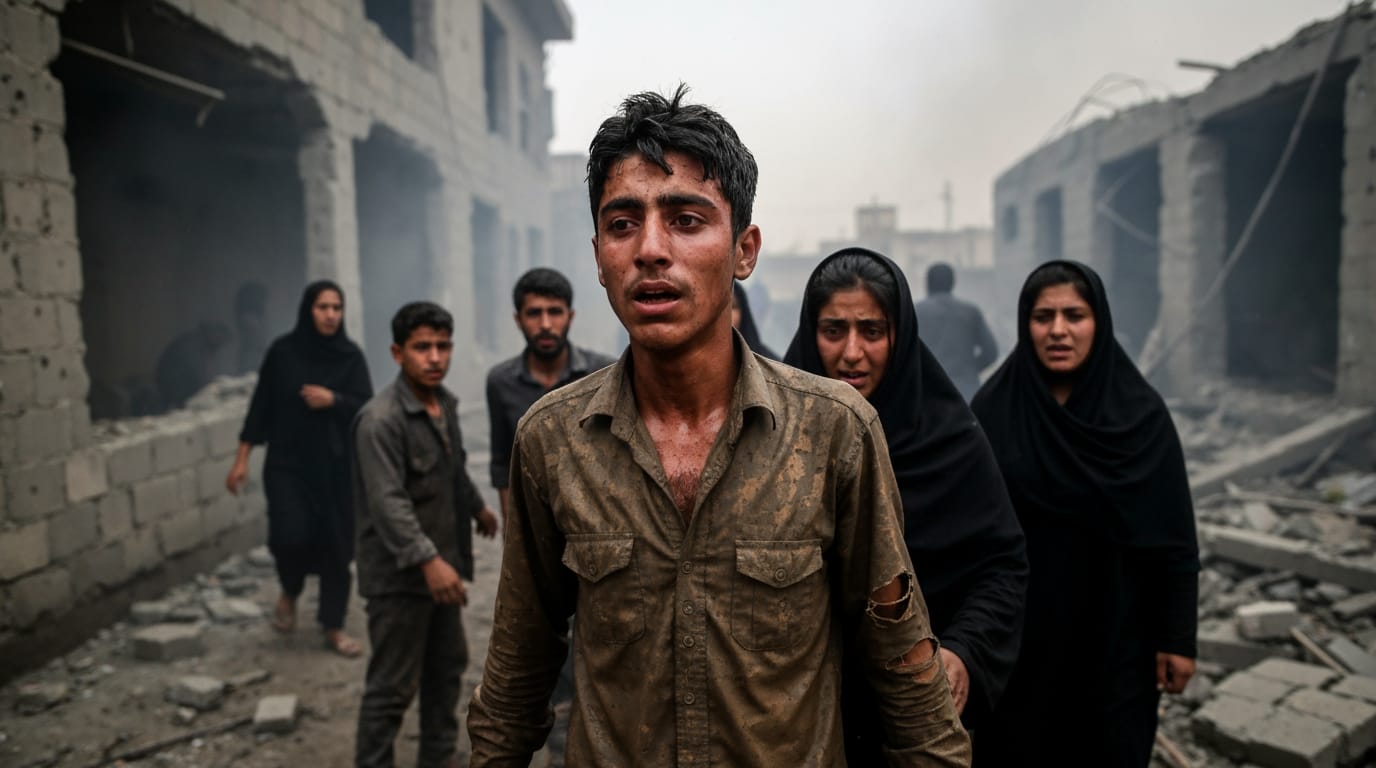
President Donald Trump declared the United States' ceasefire with Iran to be "on life support" on Monday, delivering a stark assessment after summarily rejecting Tehran's latest peace proposal. The pronouncement plunges an already fragile detente into deeper uncertainty, sparking immediate concerns of escalating military conflict and a fresh surge in global oil prices. The development follows weeks of renewed hostilities in the strategically vital Strait of Hormuz, underscoring the precarious state of stability in the Middle East.
The President's Pronouncement and Immediate Fallout
Speaking from the White House, President Trump characterized Iran's recent counter-proposal as "garbage" and "unbelievably weak," stating he did not even complete reading the document. His remarks escalated rhetoric first aired Sunday when he branded Iran's submission "totally unacceptable." The president's blunt dismissal signals a significant setback for diplomatic efforts aimed at de-escalating the "Iran war," a conflict that has seen intermittent, yet intense, exchanges. The immediate economic reaction was palpable, with Brent crude, the international oil benchmark, climbing more than 3 percent to nearly $105 a barrel Monday morning as markets reacted to the heightened geopolitical risk. While some tech stocks posted gains, the broader market remained mixed, reflecting investor anxiety over the potential for an intensified conflict. The recent uptick in tensions has been particularly evident around the Strait of Hormuz, a critical maritime chokepoint, where hostilities in recent days foreshadowed the current diplomatic breakdown.
The Stalled Diplomacy: U.S. and Iranian Positions
The latest diplomatic volley began with a U.S. 14-point proposal transmitted earlier this month, which included stringent demands regarding Iran's nuclear program. Washington's conditions for easing the conflict were primarily focused on preventing Tehran from expanding its nuclear capabilities. In response, Iran submitted its counter-proposal, which its Foreign Ministry spokesman, Esmaeil Baqaei, defended as "reasonable and generous." Tehran's demands included an official end to the war, the lifting of blockades and U.S. sanctions, a halt to maritime piracy, the release of frozen assets, and guarantees for security in the Strait of Hormuz, Lebanon, and the broader region. Iranian news outlets indicated that the proposed terms largely mirrored Tehran's long-standing positions, emphasizing the country's "legitimate rights" and rejecting "concessions." A central point of contention remains Iran's insistence on its right to enrich uranium, maintaining that its nuclear program is exclusively for peaceful purposes, a claim met with skepticism by the U.S. This fundamental divergence in objectives has continuously stymied efforts to forge a lasting peace, leaving the current ceasefire, in effect since April 7, on the brink of collapse.
The Perilous Strait and Escalating Military Maneuvers
The Strait of Hormuz continues to be a central flashpoint in the escalating confrontation. Iran has maintained a formidable presence in the waterway, effectively establishing a "chokehold" on a critical global oil and gas shipping route. Concurrently, the United States has enforced a blockade on Iranian ports. In a clear sign of potential military escalation, President Trump announced he is "considering renewing" Project Freedom, an operation designed to escort ships through the Strait of Hormuz. This initiative was initially called off last week, just days after its commencement, ostensibly to allow time for Iran's response to the U.S. peace proposals. Project Freedom had previously encountered resistance, notably from Saudi Arabia, which expressed concerns that it could be perceived as an escalatory measure. The region has already witnessed a series of dangerous incidents, including exchanges of fire, reported Iranian drone and missile attacks, and instances where the U.S. has fired upon and disabled Iranian tankers. These events highlight the constant risk of miscalculation and the potential for any minor incident to ignite a broader conflict in an already volatile region.
Regional Repercussions and International Engagement
The current escalation follows a period of heightened hostilities, including joint attacks by the U.S. and Israel on February 28, which Iran cited as a reason for gridlocking shipping through the Strait of Hormuz. The international community watches with growing concern, particularly as diplomatic avenues appear to narrow. In an attempt to exert further pressure on Tehran, the U.S. has recently issued new sanctions targeting 12 individuals and entities accused of facilitating the sale and shipment of Iranian oil to China. These sanctions come just days before President Trump's scheduled visit to Beijing later this week, where he is expected to meet with President Xi Jinping and advocate for China's assistance in pressuring Iran toward a resolution. The interconnectedness of global energy markets and international diplomacy means that the future of the Iran ceasefire has far-reaching implications, extending beyond the immediate regional theater.
Conclusion
President Trump's declaration that the ceasefire with Iran is "on life support" marks a critical and dangerous juncture in U.S.-Iran relations. The rejection of Iran's latest peace proposal, coupled with ongoing military posturing in the Strait of Hormuz and fresh economic sanctions, significantly raises the specter of intensified conflict. With diplomatic channels appearing increasingly strained and both sides unwilling to yield on core demands, the path forward remains fraught with peril. The coming days, particularly in light of planned international engagements and the persistent fragility of peace efforts, will be pivotal in determining whether the ceasefire can be revived or if the region will descend further into open hostilities. The world watches anxiously as the U.S. and Iran stand at a precipice, with global stability and economic prosperity hanging in the balance.


