Iran Conflict Ignites Unprecedented Global Trade Crisis, Dwarfing COVID-19 Disruptions
The escalating conflict involving Iran and the subsequent disruption of the vital Strait of Hormuz are unleashing an economic shockwave across global trade, with analysts warning of an impact potentially more severe and immediate than that experienced during the COVID-19 pandemic. While the pandemic brought widespread, multi-faceted dislocations, the current geopolitical conflagration threatens core energy supplies and critical supply chains through a strategic choke point, pushing the world economy toward unprecedented volatility and inflationary pressures.
The Choke Point's Grip: Energy Markets in Upheaval
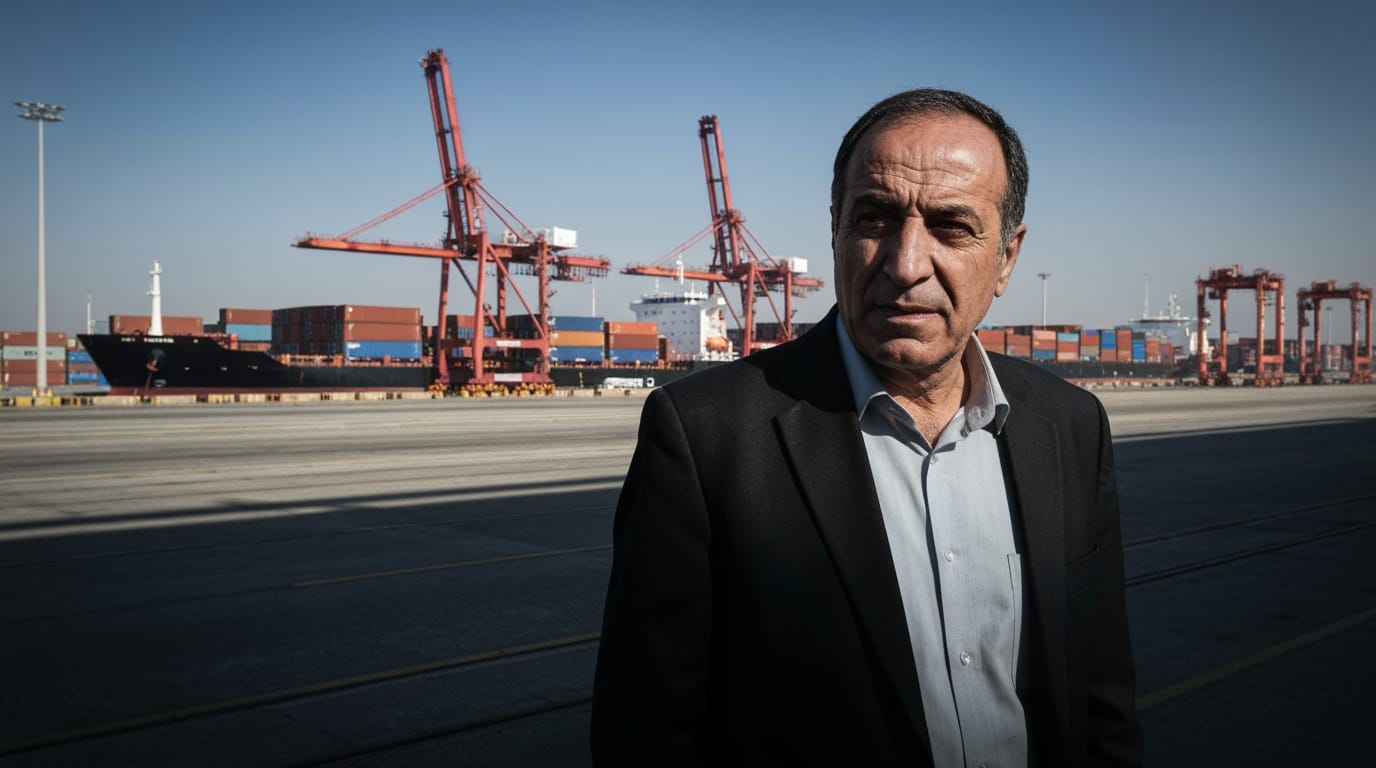
The Strait of Hormuz, a narrow passage connecting the Persian Gulf to the open ocean, has emerged as the epicenter of this global trade crisis. Since late February 2026, Iran has largely blocked commercial shipping through the Strait in retaliation for military actions, effectively severing a lifeline for a significant portion of the world's energy needs. This waterway typically handles approximately 25% of the world's seaborne oil trade and 20% of global liquefied natural gas (LNG) exports, making its disruption a catastrophic event for energy markets.
The International Energy Agency (IEA) has characterized this development as the "largest supply disruption in the history of the global oil market" and the "greatest global energy security challenge in history." Following the initial blockades, Brent crude oil prices surged past $100 per barrel in early March, peaking at $126 per barrel, a rapid escalation not seen in recent history. While prices have seen some fluctuations, they remain elevated around $95-$98 per barrel, indicating sustained pressure. Gas prices have also seen a dramatic increase, hitting $4 per gallon. Oil production from key Gulf states, including Kuwait, Iraq, Saudi Arabia, and the United Arab Emirates, has collectively plummeted by as much as 10 million barrels per day. The IEA further warns that the Strait of Hormuz has forfeited its status as a reliable energy route, necessitating a fundamental reassessment of global supply pathways. The consequences extend beyond oil, with LNG spot prices in Asia experiencing increases exceeding 140%.
Beyond Oil: Broadening Supply Chain Catastrophe
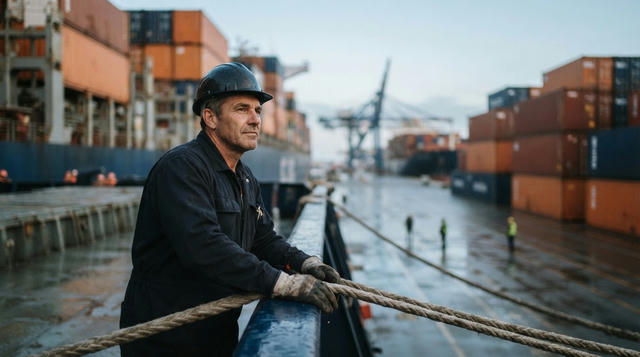
The repercussions of the Strait of Hormuz closure extend far beyond the energy sector, propagating through global supply chains and threatening food security worldwide. Major container shipping companies have suspended transits through the Strait, leading to tanker traffic dropping by as much as 70% before virtually halting. This forced rerouting of vessels around Africa's Cape of Good Hope adds weeks to transit times and significantly increases operational costs.
A critical factor exacerbating these challenges is the soaring cost of shipping insurance. War-risk premiums for vessels traversing the Strait of Hormuz have escalated dramatically, increasing fivefold to approximately 5% of a ship's total value, and in some extreme cases, reaching 10%. This translates to millions of dollars for a single transit of a large oil tanker, effectively making Hormuz the "world's most expensive waterway for brokers." The concern extends to cargo insurance, where potential losses from damaged, detained, or blocked shipments could dwarf hull claims, adding immense pressure to the market.
Moreover, the Strait is a crucial conduit for a substantial portion of global fertilizer trade, accounting for 30% to 35% of global urea exports and 20% to 30% of ammonia exports. The disruption of these supplies is precipitating a significant "input crisis" for agriculture, with fertilizer prices jumping 20% to 30% amid shortages. This poses a direct threat to global food security, with the UN's Food and Agriculture Organization (FAO) warning that a continued blockade could lead to a "global agrifoods catastrophe." The interruption of these critical inputs during the Northern Hemisphere's planting season risks lower crop yields and harvests later in the year, particularly impacting vulnerable developing economies.
Echoes of Crisis: COVID-19's Precedent and Stark Differences
The economic turmoil unleashed by the Iran conflict naturally draws comparisons to the widespread trade disruptions experienced during the COVID-19 pandemic. In 2020, global trade saw an 8.9% decline, the steepest since the global financial crisis, with services trade falling by over 20% and goods trade by over 12% at its trough. The pandemic's impact was characterized by a combination of supply and demand shocks, leading to factory shutdowns, port congestion, labor shortages, and imbalances in regional trade that caused shipping costs to surge by approximately 350%. A shortage of shipping containers became a prominent issue, contributing to unprecedented high freight rates on certain routes. However, the recovery in goods trade following the pandemic was notably swift, returning to pre-pandemic levels by October 2021.
While both crises instigated significant trade disruptions, the mechanisms and immediate severity differ. The COVID-19 pandemic caused a broad-based, yet often dispersed, slowdown due to health measures and shifting consumer patterns. In contrast, the Iran conflict presents a concentrated and direct physical blockage of a single, highly strategic trade artery. The current energy shock is described as larger than the 1970s oil crises or the disruption caused by the loss of Russian gas after the invasion of Ukraine. Moreover, while COVID-era container freight rates reached extreme highs, particularly on East-West routes, some analyses suggest that the overall volatility and rate increases caused by the Iran war, outside of Middle East-connected routes, are not comparable in scale to the pandemic's peaks. Nevertheless, current dynamics, including ongoing Red Sea conflict, port congestion, and efforts to frontload imports, indicate that ocean freight spot rates might still reach levels not seen since the COVID-19 pandemic.
Global Economic Fallout and Policy Responses
The cascading economic impacts of the Iran conflict are prompting grim forecasts for global growth and inflation. The International Monetary Fund (IMF) has revised its global GDP growth forecast for 2026 down to 3.1% from an earlier 3.4%, cautioning that continued hostilities could shrink growth further to 2.5%. This significantly trails the historical average growth rate recorded between 2000 and 2019. The IMF projects global inflation to reach 4.4% in 2026, with potential for further spikes if the conflict persists. This inflationary pressure disproportionately burdens lower-income households and developing countries, which are projected to suffer an impact twice as severe as their developed counterparts.
The immediate energy crisis is forcing countries to implement measures reminiscent of the pandemic era. Several nations are considering or implementing policies such as four-day workweeks for public sector employees, work-from-home directives, and even fuel rationing to reduce consumption and manage soaring energy costs. These steps underscore the severity of the energy supply crunch and the urgent need to conserve resources in the face of persistent volatility. The crisis also highlights an increasing trend among nations to seek alternative trade routes and diversify supply chains away from over-reliance on a single strategic waterway, potentially reshaping global economic geography in the long term.
Conclusion
The ongoing conflict in Iran and its immediate consequence — the disruption of the Strait of Hormuz — have presented the global economy with a trade crisis that, in its concentrated and existential threat to energy and food supplies, may well reshape trade dynamics more profoundly than the COVID-19 pandemic. While the pandemic was a broad, systemic shock requiring widespread adaptation, the current situation delivers a direct blow to the world's energy artery, triggering immediate and severe price surges, unprecedented shipping costs, and a looming threat to food security. The IEA's stark assessment that global oil markets will not "snap back" to normal quickly, even if the Strait reopens, underscores the deep and potentially lasting structural changes this conflict could impose on international trade, demanding urgent and innovative responses from nations and industries worldwide.