Jet Fuel Crisis Forces Lufthansa to Slash 20,000 Flights Amid Escalating Global Energy Turmoil
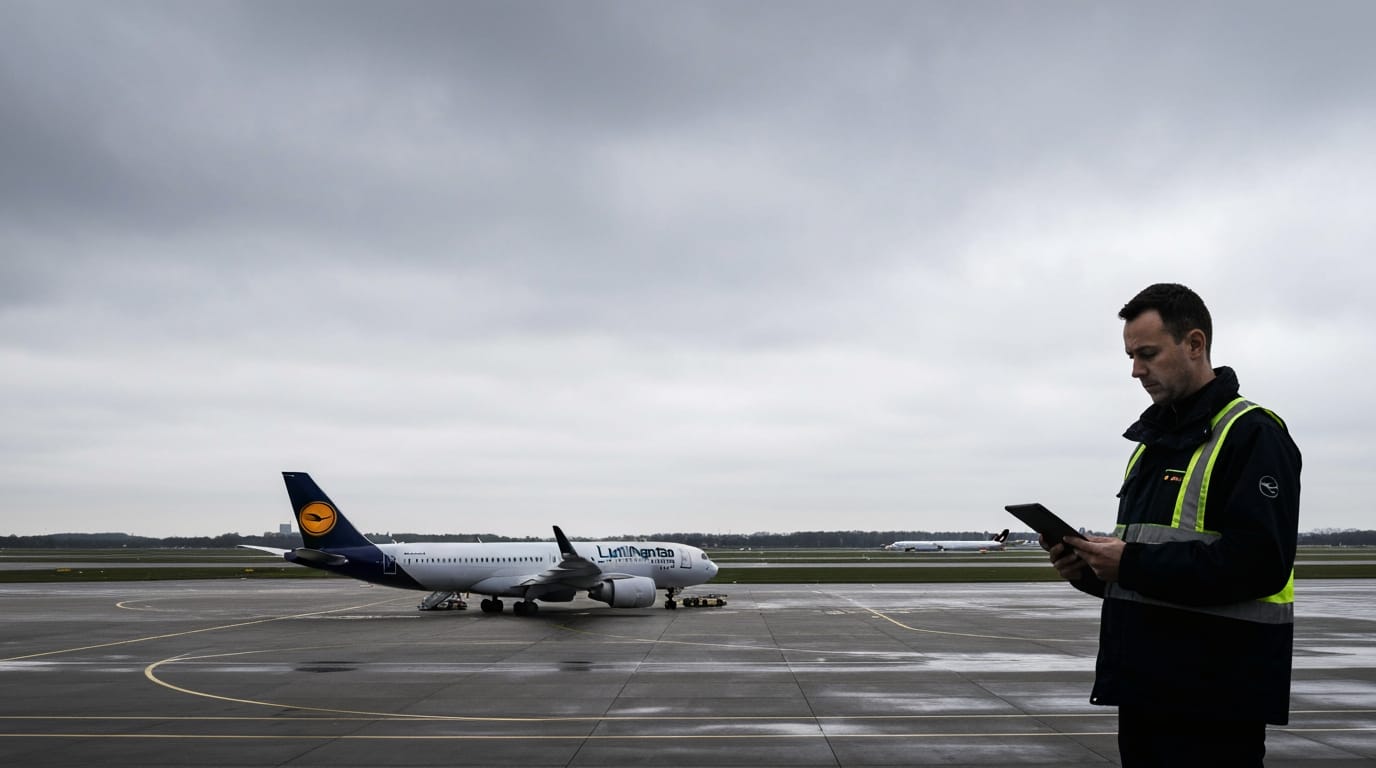
FRANKFURT, Germany – Lufthansa, one of Europe's largest air carriers, has announced the cancellation of approximately 20,000 short-haul flights through October, a drastic measure triggered by a severe and deepening global jet fuel crisis. The unprecedented cuts, which will predominantly impact European routes from its key hubs in Frankfurt and Munich, underscore the far-reaching consequences of escalating geopolitical tensions and soaring energy costs across the aviation industry. The move signals a turbulent summer ahead for travelers and airlines alike, as carriers grapple with supply chain disruptions and rapidly increasing operational expenses.
Lufthansa's Response to Unprecedented Fuel Pressures
The German airline group confirmed that the 20,000 flight cancellations will span from May to October 2026. This significant reduction aims to conserve an estimated 40,000 metric tons of jet fuel and alleviate the mounting financial burden on the company. The cuts represent a strategic recalibration, focusing on discontinuing less profitable routes primarily within Europe. While the sheer number of cancellations is striking, Lufthansa states that these adjustments will reduce its total passenger capacity by less than one percent across the entire Lufthansa Group network, which includes airlines like Swiss, Austrian, and Brussels Airlines.
A key aspect of Lufthansa’s strategy involves the immediate grounding of its regional subsidiary, Lufthansa CityLine. The airline is retiring 27 older Canadair CRJ aircraft from service, which are known for their higher fuel consumption and maintenance costs. This decision, while painful for employees, has been expedited by the current crisis, though the prospective removal of CityLine was reportedly part of a longer-term strategic development for the group. Despite these significant operational changes, Lufthansa maintains that it expects a largely stable fuel supply for its remaining scheduled flights through the summer, supported by its existing procurement strategies and price hedging measures.
Geopolitical Tensions Fueling the Crisis
The root cause of the current jet fuel crisis lies in the recent Iran conflict and the subsequent effective closure of the Strait of Hormuz. This critical maritime chokepoint, through which approximately 40% of Europe's jet fuel imports typically pass, has seen no traffic since the war began. This disruption has led to a dramatic spike in jet fuel prices, which have reportedly more than doubled since the outbreak of the conflict in late February 2026.
The International Energy Agency (IEA) has issued stark warnings regarding Europe's dwindling jet fuel reserves, with Director Fatih Birol indicating that the continent might have "maybe six weeks" of supplies remaining. Birol characterized the situation as the "largest energy crisis" the global economy has ever faced. This acute supply vulnerability, combined with unprecedented price volatility, has made it increasingly challenging for airlines to secure fuel and manage operational costs, forcing them to re-evaluate their flight schedules and network planning.
Widespread Repercussions Across the Aviation Industry
Lufthansa is not an isolated case. The deepening jet fuel crisis is sending shockwaves throughout the global aviation sector. Jet fuel typically accounts for a substantial portion of an airline's operating expenses, often ranging from 25% to 35%. The dramatic increase in these costs has pushed many carriers to implement similar measures. Globally, over 150,000 flights have been cut as airlines respond to the escalating crisis.
Airlines such as Air Canada, Delta Air Lines, KLM, and SAS Scandinavian Airlines have also announced flight cancellations or the introduction of new surcharges to mitigate the impact of soaring fuel prices. Passengers are already experiencing the direct consequences through higher airfares and increased ancillary fees, including baggage charges, as airlines pass on these additional costs. Experts warn that travelers should anticipate more than just higher prices; they should also be prepared for reduced scheduling flexibility, longer routings, and greater uncertainty in the lead-up to the peak summer travel season.
Furthermore, the IEA report highlighted that some European countries are operating with less than 20 days of jet fuel coverage, a figure that has not been seen since 2020. The report cautioned that physical shortages could emerge at certain airports if supplies dip below 23 days, potentially leading to further flight cancellations.
Mitigating Strategies and an Uncertain Future
In response to the critical situation, the European Commission is actively exploring options to stabilize the jet fuel supply and support the embattled aviation sector. Discussions include sourcing alternative American jet fuel not routinely used in Europe and potentially allowing airlines to carry larger amounts of fuel on flights originating outside the region. Additionally, the EU is considering waiving certain requirements for airlines to utilize airport take-off slots, which would offer carriers more flexibility in managing their reduced schedules without penalty.
Lufthansa, like other major carriers, has invested in fuel hedging strategies to protect against price volatility. The airline reported hedging approximately 80% of its fuel needs for 2026, a move that provides some insulation but cannot fully offset the scale of the current price surge. Despite these efforts, the continuous operational challenges faced by Lufthansa, including past issues at its Frankfurt and Munich hubs, coupled with fleet delays and labor negotiations, add layers of complexity to its current crisis management.
The jet fuel crisis is not merely a temporary disruption but a profound challenge reshaping the global aviation landscape. While airlines are implementing immediate cuts and cost-saving measures, the long-term implications could include a sustained period of higher travel costs, reduced connectivity on less popular routes, and an accelerated drive towards more fuel-efficient aircraft and operational practices. The aviation industry, vital for global mobility and commerce, faces a prolonged period of adaptation as it navigates the volatile geopolitical and energy markets.