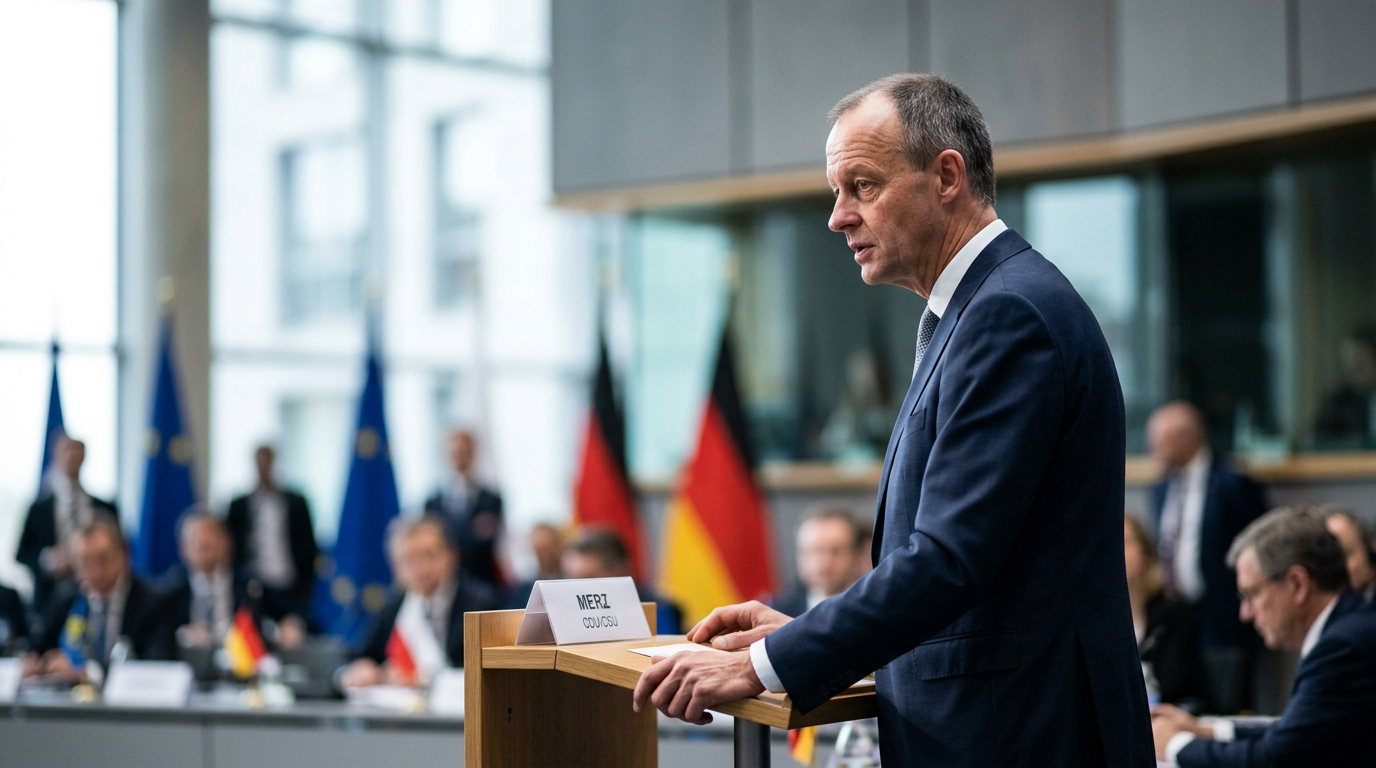
Iran Designates EU Armies as Terrorist Groups, Escalating Tensions in Diplomatic Row
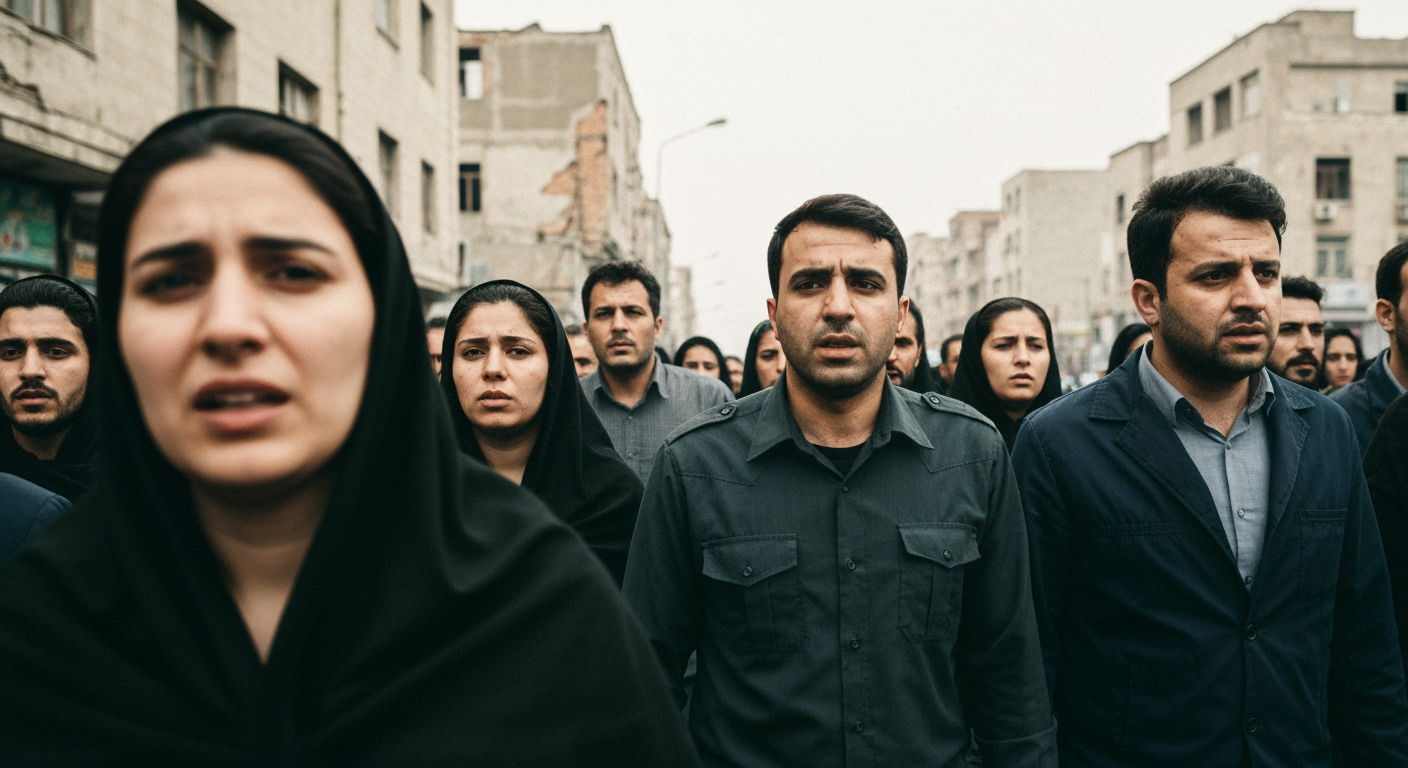
Tehran, Iran – In a sharp escalation of diplomatic hostilities, Iran's parliament has officially designated the armies of European Union member states as "terrorist groups." The retaliatory measure, announced Sunday, February 1, 2026, by Parliament Speaker Mohammad Bagher Ghalibaf, comes days after the European Union moved to classify Iran's Islamic Revolutionary Guard Corps (IRGC) as a terrorist organization. The tit-for-tat actions underscore a rapidly deteriorating relationship, with both sides exchanging highly charged labels that carry significant symbolic weight, even if their immediate practical impact remains uncertain.
Iran's Retaliatory Strike: A Legislative Response
Speaker Ghalibaf, addressing the Iranian parliament while donning an IRGC uniform in a gesture of solidarity, declared that the armies of European countries would now be considered "terrorist groups" under Iranian law. This pronouncement was made under "Article 7 of the Law on Countermeasures Against the Declaration of the IRGC as a Terrorist Organization," a pre-existing legal framework allowing Iran to reciprocate such designations. Iranian officials vehemently criticized the EU's decision, with Ghalibaf asserting that "by trying to hit the Revolutionary Guards... the Europeans actually shot themselves in the foot and once again made a decision against the interests of their people by blindly obeying the Americans." Foreign Minister Abbas Araghchi echoed this sentiment, labeling the EU's move a "major strategic mistake" and accusing Europe of "fanning the flames" of regional instability.
Some Iranian lawmakers have gone further, suggesting immediate and concrete repercussions. One legislator called for the expulsion of European military attachés from Tehran, arguing that "hosting terrorists in the country is against the current law." Parliament's national security and foreign policy committees have been instructed to pursue this matter with the foreign ministry, indicating a potential for tangible diplomatic consequences beyond mere rhetoric.
The EU's Preceding Decision: Targeting the IRGC
The Iranian declaration directly followed the European Union's decision on Thursday, January 29, 2026, to formally list the Islamic Revolutionary Guard Corps as a terrorist organization. This move, which had been under consideration for some time, was adopted by EU foreign ministers meeting in Brussels and places the powerful Iranian paramilitary force within the bloc's terrorism framework.
EU officials justified the designation by citing the IRGC's role in "serious human rights violations" during the brutal crackdown on widespread nationwide protests in Iran. Additionally, Tehran's continued support for Russia's military actions in Ukraine and the IRGC's broader destabilizing activities in the region were highlighted as contributing factors. EU High Representative for Foreign Affairs Kaja Kallas stated, "Repression cannot go unanswered," emphasizing that the decision sends a strong signal to Tehran. The EU's designation carries concrete legal consequences, including the freezing of IRGC assets and making financial or material support for the organization a criminal offense. It also enables member states to detain any IRGC member entering the EU. While some EU members had previously hesitated due to concerns about hindering diplomatic channels, the scale of internal repression in Iran ultimately swayed the bloc toward a unified stance.
A History of Reciprocity and Heightened Regional Tensions
The current exchange of "terrorist" designations is not without precedent. The United States first blacklisted the IRGC as a foreign terrorist organization in 2019. Canada followed suit in 2024, and Australia in 2025, illustrating a growing international consensus among Western nations regarding the nature of the IRGC's activities. Iran's 2019 law, which served as the basis for its latest move, was enacted precisely to allow for reciprocal actions against countries that designate Iranian entities as terrorist groups.
This diplomatic spat unfolds against a backdrop of already heightened tensions in the Middle East. Reports indicate an increased presence of U.S. warplanes and naval assets in the region, and Iran has announced plans for a live-fire military drill in the strategic Strait of Hormuz, a critical chokepoint for global oil shipments. Iranian Supreme Leader Ayatollah Ali Khamenei directly oversees the IRGC, which controls a significant portion of Iran's economy and its ballistic missile and nuclear programs, adding another layer of complexity to its designation.
Diplomatic Fallout and Uncertain Trajectories
The long-term practical implications of Iran's designation of EU armies remain to be seen. While the immediate impact is largely perceived as symbolic, mirroring previous reciprocal actions, the move further entrenches an already adversarial relationship. The prospect of expelling military attachés or other diplomatic measures could significantly strain communication channels and increase the risk of miscalculation.
Iranian officials maintain that the EU's decision jeopardizes European interests and will contribute to regional instability. Foreign Minister Araghchi warned that the move would lead to "energy and security spillovers" harmful to Europe. Conversely, EU officials hope their designation sends a clear message that "massive violence and transnational repression will no longer go unanswered." The escalating exchange of labels marks a significant shift in diplomatic engagement, signaling a deeper chasm between Iran and the European Union.
The cycle of retaliatory designations creates a more volatile international landscape, with reduced avenues for dialogue and increased potential for misinterpretation. As both sides dig in, the trajectory for Iran-EU relations appears to be one of continued confrontation, posing significant challenges for regional security and global diplomacy.
Related Articles

Ratko Mladić, "Butcher of Bosnia" and Convicted War Criminal, Dies at 84
THE HAGUE, Netherlands – Ratko Mladić, the former Bosnian Serb military commander known as the "Butcher of Bosnia" and convicted of genocide, war crimes, and crimes against humanity, has died at the age of 84. Serbian...

Long-Awaited 9/11 Mastermind Trial Set for 2028, Decades After Attacks
GUANTANAMO BAY, Cuba – Nearly a quarter-century after the devastating terror attacks of September 11, 2001, a military judge has finally set a trial date for Khalid Sheikh Mohammed, the alleged mastermind behind the...