Iran Faces Triple Crisis: Protests, Soaring Inflation, and Crippling Sanctions Grip Nation at Start of 2026
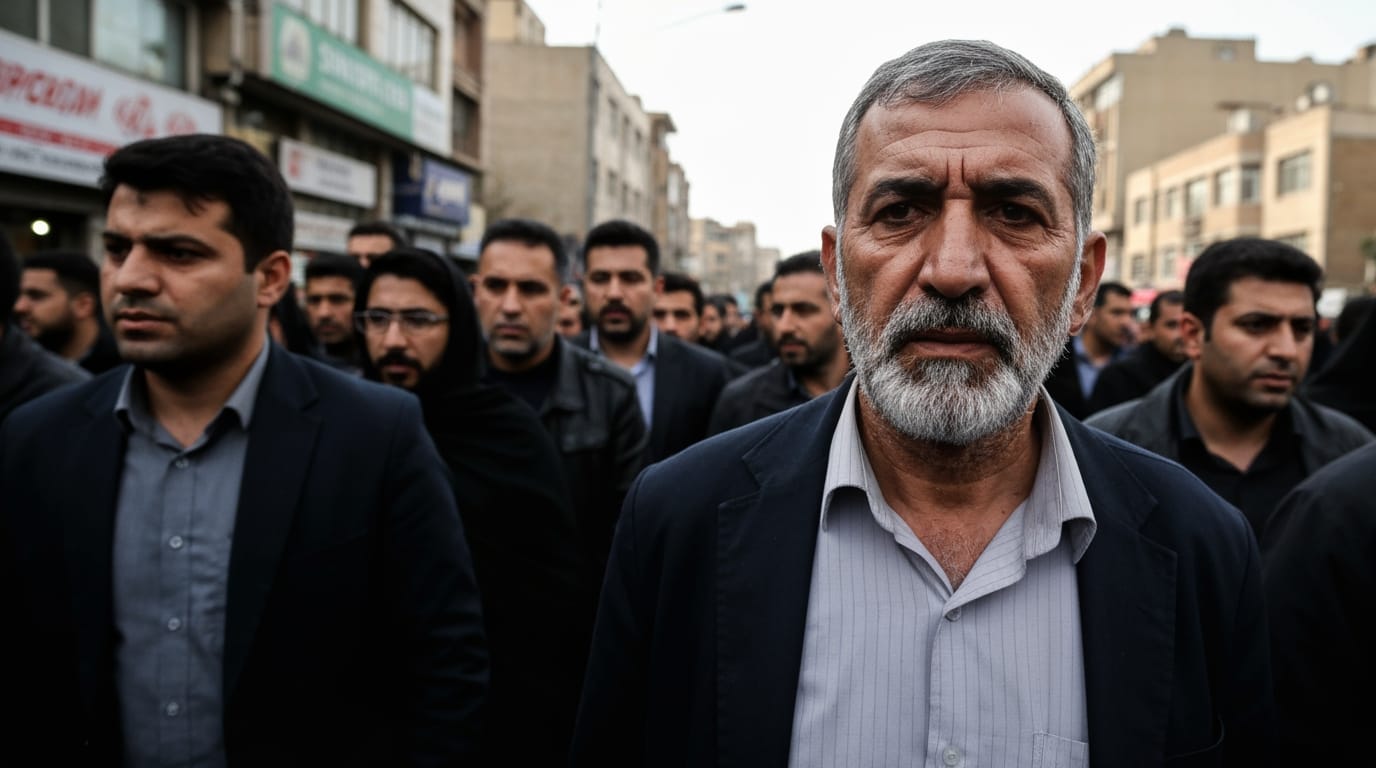
TEHRAN – As the calendar turns to 2026, Iran finds itself at a critical juncture, grappling with a confluence of escalating public protests, an economy battered by hyperinflation and currency collapse, and the enduring pressure of international sanctions. The challenges, which intensified significantly in late 2025, present a formidable test for the nation's leadership amidst widespread social discontent and a deepening human rights crisis.
Mounting Unrest and a Deepening Human Rights Crisis
The final months of 2025 saw a fresh wave of mass demonstrations erupt across multiple Iranian cities, including the capital Tehran, Karaj, Shiraz, Isfahan, and Mashhad. Initially sparked by profound economic grievances, including skyrocketing inflation and the precipitous depreciation of the national currency, these protests quickly morphed into a broader movement challenging the government's authority. Chants of "Death to the Dictator" echoed in the streets, signaling a shift from purely economic demands to explicit anti-government sentiments. Shopkeepers, bazaar merchants, and university students joined the demonstrations, marking the largest outbreak of unrest since the 2022-2023 protests following the death of Mahsa Amini.
The government's response has been marked by significant force, with security personnel employing tear gas to disperse crowds and carrying out numerous arrests. This crackdown occurs against a backdrop of an alarming deterioration in human rights. 2025 recorded an unprecedented surge in executions, with at least 1,500 individuals put to death—the highest figure in 35 years. Arrests for exercising freedom of expression and belief increased, and religious and ethnic minorities faced heightened repression. Human rights defenders and activists continue to face imprisonment, while allegations of torture and unfair trials remain systemic. These severe measures underscore the government's attempts to quell dissent in the face of widespread dissatisfaction.
Economic Freefall: Hyperinflation and Rial Collapse Cripple Households
The Iranian economy is experiencing what analysts describe as its deepest and longest crisis in modern history. Inflation has spiraled out of control, with the year-on-year rate hitting 48.6% in October 2025 and remaining elevated at 42.2% in December 2025. Experts project that inflation could surpass 60% by March 2026, further eroding the purchasing power of ordinary citizens. The impact on essential goods has been particularly severe, with food prices soaring by 72% and health and medical goods by 50% in late 2025.
The national currency, the rial, has plunged to historic lows. In December 2025, it reached a staggering 1,250,000 rials per U.S. dollar, with some reports indicating a further decline to 1.45 million rials. This dramatic depreciation, exacerbated by government economic policies and geopolitical tensions such as the Iran-Israel war in June 2025, has made basic necessities unaffordable for many. The poverty line has risen significantly, with estimates suggesting that between 30% and 36% of the population now lives below it. More than 60 million out of Iran's 85 million people are adversely affected by high inflation, requiring government support to meet daily needs. The minimum wage is severely inadequate, with estimates suggesting it would need to quadruple just to maintain a middle-class standard of living. In response to the crisis, many Iranians are increasingly turning to cryptocurrencies like Bitcoin as a hedge against the collapsing rial and hyperinflation.
Economists attribute the inflationary surge primarily to rapid monetary expansion, largely driven by government borrowing from the Central Bank, alongside falling foreign exchange revenues due to lower oil prices and heightened political risks.
The Enduring Shadow of Sanctions and International Isolation
A major contributing factor to Iran's economic woes is the re-imposition and tightening of international sanctions. In September 2025, United Nations "snapback" sanctions took effect, reinstating previous restrictions due to Iran's non-compliance with the 2015 nuclear agreement. These measures further crippled Iran's oil exports and deepened its isolation from the global financial system, which had already been significantly constrained by comprehensive U.S. sanctions imposed since 2018.
The World Bank projects Iran's Gross Domestic Product (GDP) to contract by 1.7% in 2025 and a further 2.8% in 2026. This downward revision contrasts sharply with earlier forecasts of modest growth and is directly linked to the intensified sanctions and the economic fallout from regional conflicts. The oil sector, historically the lifeline of Iran's economy, remains under severe threat, with China, Iran's largest oil buyer, potentially demanding steeper discounts to avoid confrontation with Washington.
Adding to the complexity, reports from the International Atomic Energy Agency (IAEA) in late 2025 indicated that Iran was not providing full information on its enriched uranium stockpiles and had exceeded limits set by the 2015 nuclear deal. This lack of transparency further strained diplomatic efforts to revive negotiations and ease sanctions. The absence of foreign investment and the suspension of major infrastructure projects, particularly in critical energy and transportation sectors, are expected to compound Iran's economic challenges in 2026, with little prospect for improvement without a significant shift in foreign relations.
A Nation at a Crossroads
Iran begins 2026 caught in a perilous cycle where economic hardship fuels social unrest, and international isolation exacerbates financial instability. President Masoud Pezeshkian, who took office after an early election in June 2025, has acknowledged the severity of the situation, calling for dialogue with protest leaders and pledging reforms to the monetary and banking systems. However, his administration faces immense pressure, including a significant budget deficit, and proposed measures like increasing taxes to finance public-sector wage hikes are likely to deepen public dissatisfaction.
The interconnected crises of persistent protests, runaway inflation, and suffocating sanctions paint a grim picture for the coming year. For the Iranian government, navigating these complex and intertwined challenges will require an extraordinary effort to prevent further economic collapse and manage the widespread discontent of its populace. For the people of Iran, 2026 looms as a year of continued struggle against a deteriorating quality of life and an uncertain future.


