Iran Faces Unprecedented Internal Crisis as Regime Crushes Widespread Protests in Bloody Crackdown
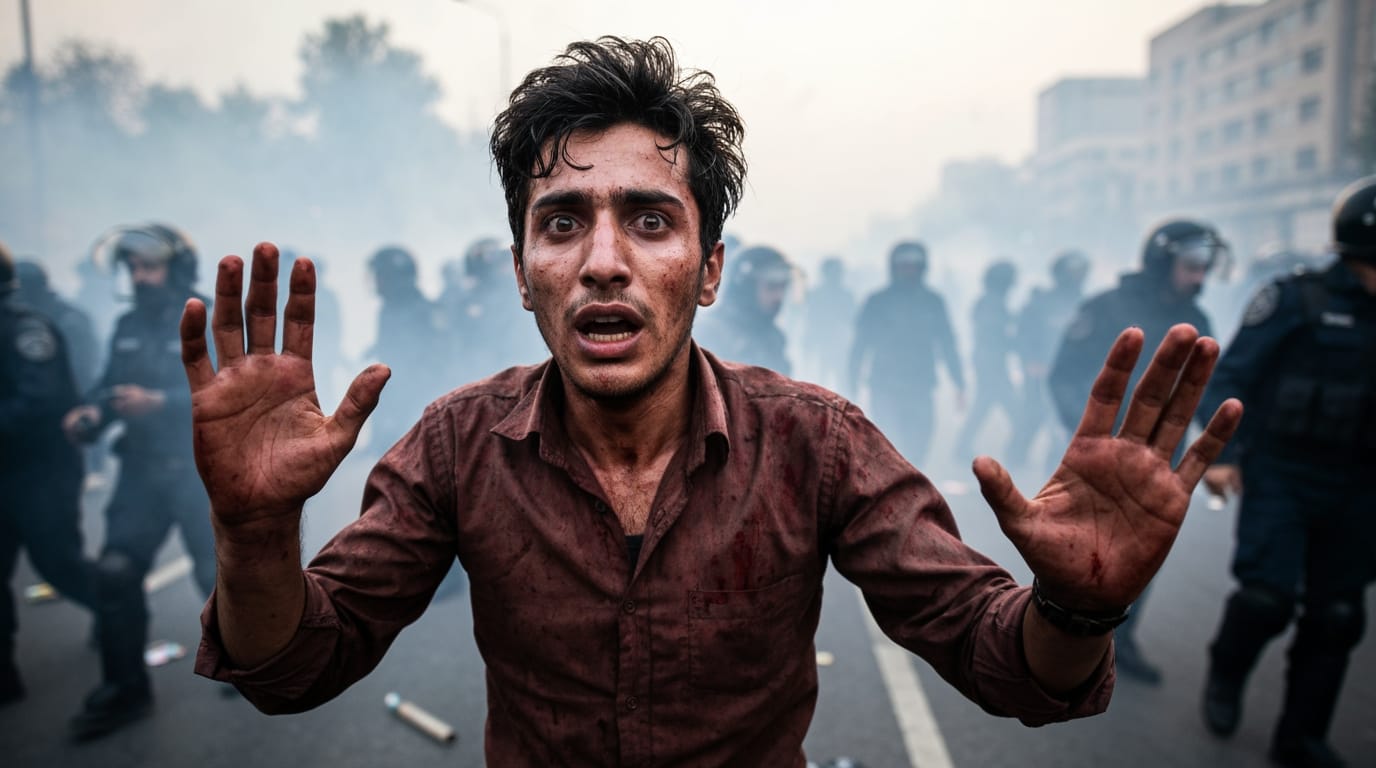
TEHRAN – A wave of widespread protests, ignited by severe economic hardship, has gripped Iran since late December 2025, evolving into a profound challenge to the Islamic Republic and drawing a brutal response from authorities. The government's relentless crackdown, marked by mass killings, arbitrary arrests, and a near-total internet blackout, has reportedly left thousands dead, raising urgent international concerns over human rights and regional stability. This surge of unrest represents arguably the largest and most geographically expansive anti-regime movement in the nation's history since the 1979 Islamic Revolution.
Economic Woes Fuel Public Outcry
The initial catalyst for the demonstrations on December 28, 2025, stemmed from a deepening economic crisis, characterized by a staggering collapse of the Iranian rial, soaring inflation, and a spike in food and fuel prices. The national currency had lost over 40 percent of its value following a 12-day conflict with Israel in June 2025, compounding a prolonged devaluation that erased nearly 90 percent of its worth since 2018. Protests initially erupted in two major markets in downtown Tehran, quickly spreading across all 31 of Iran's provinces and encompassing at least 185 cities. While the early grievances focused on the cost of living and the government's economic mismanagement, protesters soon began chanting anti-government slogans, calling for an end to the Islamic Republic's rule. This shift underscored a broader discontent with political repression and a lack of fundamental freedoms, following earlier significant demonstrations like the 2022 "Woman, Life, Freedom" movement.
Unprecedented Crackdown and Communication Blackout
In response to the escalating unrest, Iranian authorities launched a severe and systematic crackdown. Security forces, including police units and the Iranian Revolutionary Guard Corps, utilized live ammunition, tear gas, and crowd-control weapons against demonstrators. Eyewitness accounts and verified video footage depicted armed personnel firing on protesters, including children, leading to what some describe as mass unlawful killings.
A critical component of the regime's strategy to quell the protests was an unprecedented communications blackout, which began around January 8, 2026. This measure severed Iran's connection to the global internet and disrupted international phone calls, severely impeding the ability of activists, journalists, and human rights organizations to gather and verify information from within the country. The sophisticated and severe nature of this digital blackout marked a new high-water mark for the Iranian government's efforts to control information flow during periods of unrest.
The human toll of the crackdown has been catastrophic, though precise figures remain difficult to ascertain due to the information blockade. The U.S.-based Human Rights Activists News Agency (HRANA) reported at least 2,615 confirmed deaths by January 14, 2026, including 2,435 protesters, 13 children under the age of 18, and 14 non-protesting civilians. HRANA also indicated that 153 security personnel and government supporters had been killed. Other activist groups and unverified reports suggest overall death tolls could range from 2,000 to as high as 20,000, making these among the deadliest crackdowns in modern Iranian history. Beyond fatalities, HRANA documented at least 18,470 arrests by mid-January. Iran's judiciary chief has signaled that swift trials and severe punishments, potentially including executions, await many of those detained, intensifying fears among human rights advocates.
Global Condemnation and Geopolitical Repercussions
The brutal suppression of protests has elicited strong condemnation from across the international community. The United Nations, the United Kingdom, and the G7 nations have criticized the Iranian government's use of force and internet suppression. European leaders, including Germany and Spain, have denounced the "disproportionate and brutal violence" employed by Iranian authorities, with the European Union reportedly preparing new sanctions. Amnesty International has urged UN Member states to recognize the systemic impunity for crimes committed by security forces, which it states has emboldened Iranian authorities to persist in their criminal conduct.
The United States has also weighed in, with President Donald Trump issuing strong warnings to Iran. President Trump stated that the U.S. might intervene militarily to protect peaceful demonstrators and warned that countries trading with Iran would face tariffs. His administration has reportedly discussed options, including potential military strikes. Iran, in turn, has dismissed international criticism as interference in its internal affairs and has summoned ambassadors from several European countries in protest. The ongoing crisis has further destabilized an already volatile Middle East, impacting regional security calculations and influencing global markets, including oil and gold prices.
As the communication blackout persists, the full extent of the tragedy unfolding in Iran remains obscured. The regime continues to blame foreign influence for the unrest, while opposition figures, including exiled members, seek to leverage the protests for political change. The severity of the government's response highlights its determination to maintain control, yet the scale of public discontent suggests a deep-seated challenge to its legitimacy. The international community grapples with how to respond effectively to the escalating human rights crisis, balancing diplomatic efforts with calls for accountability, as the future of Iran hangs in a precarious balance.


