Iran Grapples With Triple Crisis: War, Scarcity, and Fear Define Daily Life
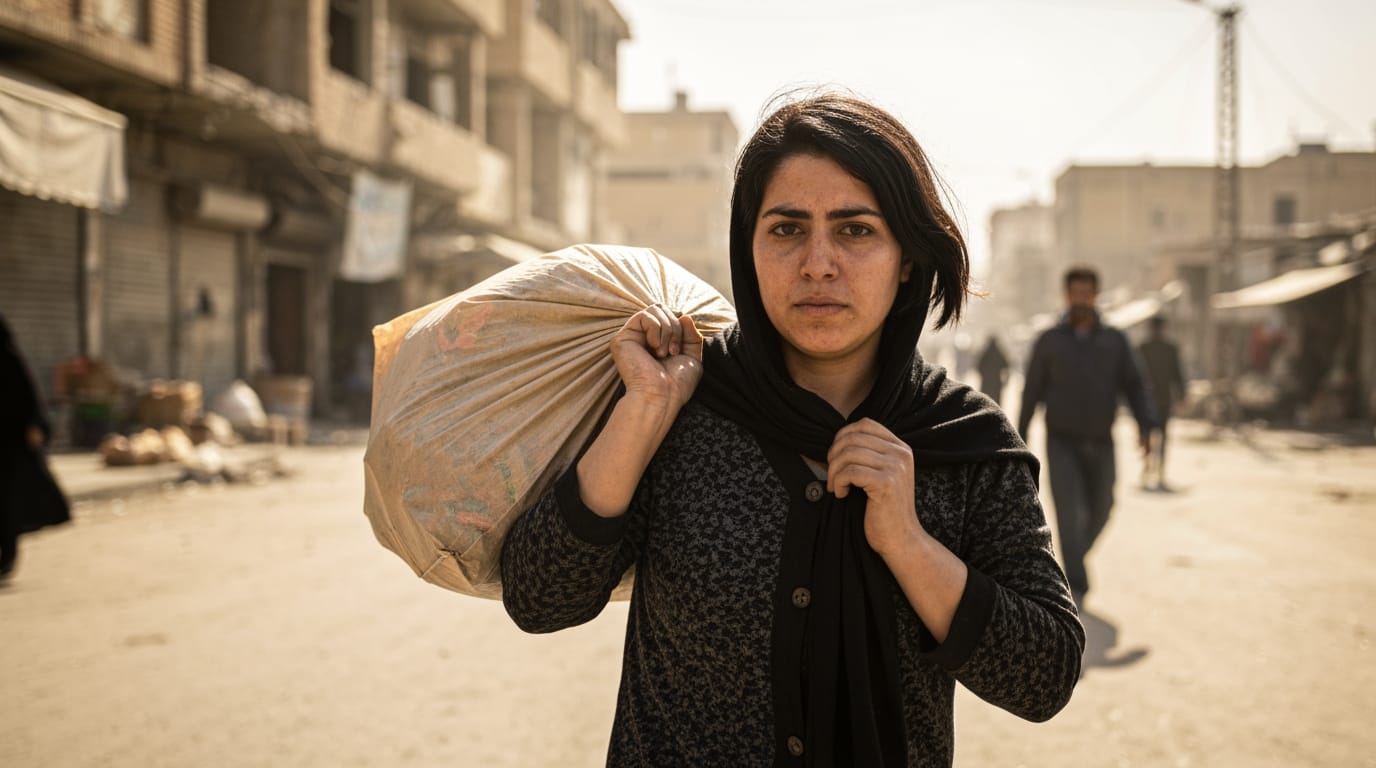
TEHRAN — An escalating blend of military conflict, crippling economic hardship, and pervasive societal fear has reshaped the contours of daily life for millions across Iran. As regional tensions simmer and international sanctions continue to bite, ordinary citizens face a relentless struggle for survival, marked by soaring inflation, shortages of basic goods, and an omnipresent sense of insecurity. The confluence of these crises presents an unprecedented challenge to the nation's stability and the well-being of its populace.
A Deepening Economic Abyss
Iran is currently mired in a severe economic crisis that has drastically eroded the quality of life for its citizens. International sanctions, particularly those reimposed by the United States, have severely curtailed Iran's oil exports and access to global markets, acting as a primary catalyst for the downturn. Compounding this external pressure are issues of domestic mismanagement, rampant corruption, and structural inefficiencies, all contributing to widespread social discontent.
The economic indicators paint a stark picture: inflation rates skyrocketed to over 48.6% in October 2025 and remained high at 42.2% in December 2025, profoundly impacting household budgets and making essential goods increasingly unaffordable. The national currency, the rial, has plummeted to historic lows, trading at 1,750,000 rials to one U.S. dollar, effectively decimating purchasing power for imported items. This currency devaluation, exacerbated by sanctions, has caused an estimated average annual per capita income loss of approximately $3,000 between 2012 and 2019.
The consequences are visible in daily struggles. As of March 2025, an estimated 22% to 50% of Iranians live below the poverty line, a significant increase from previous years. A 2024 announcement by the Ministry of Social Welfare indicated that 57% of Iranians suffer from some level of malnourishment, underscoring a deepening food crisis. Unemployment is rampant, with reports from the Majlis revealing that 50% of males aged 25-40 are jobless and no longer seeking employment. The economic strain has led to severe food shortages, long queues for necessities like bread and fuel, and even warnings from authorities about potential famines. The economic pressures have sparked nationwide protests, first in May 2025 and again in December 2025, often initially focused on living conditions before evolving into broader anti-government sentiments. The Supreme Leader, Ali Khamenei, has publicly urged citizens to reduce consumption of food, water, energy, and fuel in response to the deepening crisis.
The Shadow of Conflict and Displacement
Beyond economic woes, Iran is grappling with the direct and psychological toll of ongoing regional conflicts and military strikes. U.S. and Israeli military actions have targeted strategic locations within Iran, leading to widespread fear and disruption. Reports from cities like Tehran describe streets filled with palpable anxiety, where the fear of imminent danger often outweighs the sounds of explosions. The conflict has resulted in damaged infrastructure and the tragic loss of life, with thousands reportedly killed, including children in a school on the first day of the conflict.
The psychological impact on the population is profound. Citizens are experiencing what psychologists term "collective trauma," manifested in widespread anxiety, nervous breakdowns, and an increased incidence of heart attacks. Parents express deep worry for their children, and many individuals appear to have aged significantly due to the constant stress. The trauma of these events is expected to leave lasting psychological scars for years to come, even after the immediate hostilities subside.
The conflict has also triggered a significant humanitarian crisis, leading to widespread displacement. An estimated 3.2 million Iranians have been forced from their homes due to the fighting. Moreover, Iran hosts millions of Afghan refugees and other vulnerable populations who are now facing even greater insecurity. The risk of wider regional conflict could exacerbate these displacement trends, potentially forcing both Iranian citizens and existing refugee populations across borders into further danger. The war has also had broader global repercussions, affecting oil prices, shipping routes, and fertilizer markets, which in turn contribute to higher food prices worldwide. The partial closure of the Strait of Hormuz has notably disrupted a significant portion of global oil supplies, impacting international energy markets and supply chains.
Erosion of Social Fabric and Freedoms
Amidst these external and economic pressures, Iranian society also contends with stringent internal controls and diminishing freedoms. The government maintains tight control over information and public discourse, often restricting internet access and conducting surveillance to monitor online activities. Citizens describe a stifling climate of censorship and intimidation, where expressing dissent can lead to harsh repercussions for themselves or their families. Many Iranians arriving in neighboring countries express fear of speaking openly, underscoring the pervasive nature of this control.
The regime has responded to various forms of dissent with intimidation, lethal violence, arbitrary arrests, imprisonment, and censorship. Hundreds have been arrested, and campaigns have been launched to prosecute those accused of espionage or cooperating with opposition groups. Opposition parties and activists face intense scrutiny and harsh sentences, while the death penalty is frequently employed, even for vaguely defined national security charges, serving as a tool to instill fear and suppress opposition.
Gender discrimination is deeply entrenched and institutionalized within Iran, subjecting women to significant legal and social restrictions that impact employment, education, and personal freedoms. The "Women, Life, Freedom" protests, ignited by the death of Mahsa Amini in 2022, continue to highlight demands for an end to gender-based discrimination and broader social freedoms. Despite the dangers, women have continued acts of civil disobedience, particularly regarding mandatory hijab laws, yet face severe persecution and are often labeled as "foreign agents" by the state. Furthermore, religious, ethnic, and national minorities face systemic discrimination and limited access to rights, contributing to internal social and cultural crises.
Conclusion
The daily reality for Iranians is a complex tapestry woven with threads of economic despair, the constant threat of war, and a pervasive atmosphere of fear and repression. The interplay of international sanctions, regional conflicts, and domestic governance challenges has created an environment where basic necessities are luxuries, psychological well-being is under constant assault, and fundamental freedoms are severely curtailed. While the world watches the geopolitical shifts, the human cost is borne by ordinary Iranian citizens, whose resilience is continually tested by a multi-faceted crisis with no clear end in sight. The cumulative impact of these pressures suggests a prolonged period of hardship and uncertainty for the nation.


