Iran Gripped by Widespread Protests Amid Economic Collapse and Deepening Unrest
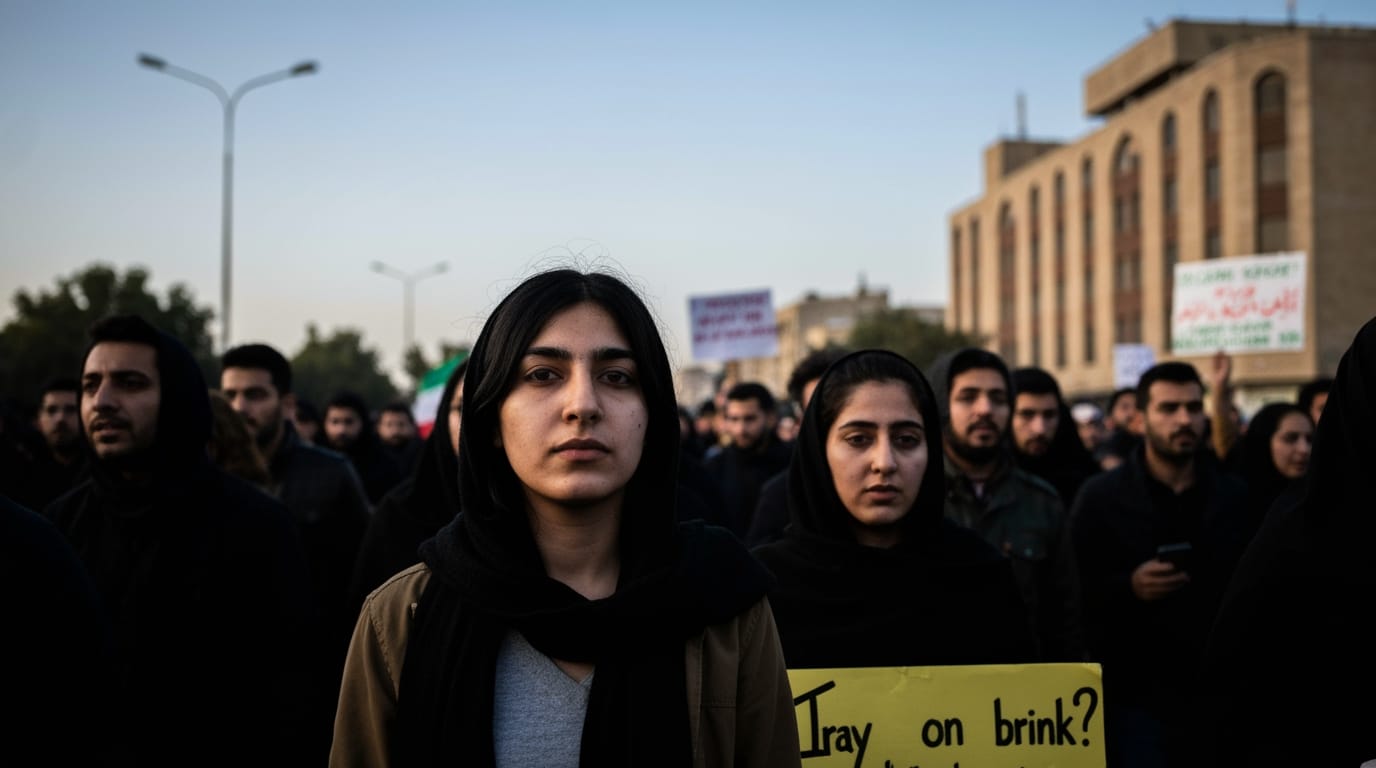
TEHRAN – Iran is experiencing its most significant wave of unrest since the widespread Mahsa Amini protests of 2022, as an escalating economic crisis ignites nationwide demonstrations. Protests, initially fueled by a plummeting national currency and soaring inflation, have rapidly expanded beyond economic grievances, drawing in diverse segments of society and raising critical questions about the stability of the Islamic Republic. The convergence of traditional merchant strikes, student activism, and general public discontent signals a challenging period for the Iranian government.
The current wave of dissent, which began around December 28, 2025, marks a critical juncture for Iran, which is simultaneously grappling with its deepest and longest economic crisis in modern history and heightened international tensions. The protests reflect profound public frustration over a rapidly depreciating currency, rampant inflation, and increasing poverty levels that now affect a significant portion of the population.
Economic Woes Fuel Public Outcry
The immediate catalyst for the current protests is Iran's severe economic downturn. The national currency, the rial, has plummeted to record lows against the U.S. dollar, intensifying an inflation rate already exceeding 40 percent, with food prices reportedly surging by 72 percent. This economic pressure has been exacerbated by international sanctions, domestic mismanagement, and systemic corruption, leading to acute social discontent. Between 27 and 50 percent of Iranians are estimated to be living below the poverty line, a stark increase since 2022, and the ministry of social welfare indicated in 2024 that 57 percent of Iranians face some level of malnourishment.
Dire food shortages and a systemic energy crisis, which has led to daily power outages of several hours since February 2025, have further compounded the hardship. The government's proposed budget for 2026/27, which includes increased taxes to address a substantial deficit, is expected to place additional strain on households already struggling. In a clear sign of the crisis's severity, Iran's Central Bank chief resigned amidst the escalating economic turmoil.
From Markets to Universities: A Broadening Movement
Unlike some previous protests, the current demonstrations have seen a broad coalition of participants. Merchants in historic bazaars across cities like Tehran, Shiraz, and Isfahan have closed their shops in solidarity, a move that holds significant historical weight given the bazaar's role in past revolutionary movements. University students in Tehran, Yazd, Zanjan, and other cities have joined the ranks, expressing anger not just at the economic situation but directly challenging the government. Reports indicate that the Iranian Truck Drivers Union has also declared support for the striking shopkeepers and protesters.
While the initial protests were sparked by economic conditions, the demonstrations have quickly adopted anti-regime tones, with protesters reportedly chanting slogans such as "Death to the Dictator" and "No Gaza, No Lebanon, I will sacrifice my life for Iran." At Beheshti University, students notably tore down a sign of the "Supreme Leader's Representation" office, directly challenging the authority of Supreme Leader Ali Khamenei. This evolution suggests a deeper dissatisfaction with the political establishment, echoing sentiments from the 2022 "Woman, Life, Freedom" movement.
Government Response and Echoes of Past Crackdowns
The government's response to the current unrest has been multifaceted. President Masoud Pezeshkian has publicly acknowledged the "legitimate demands" of the protesters and instructed his interior minister to engage in dialogue with their representatives. Some analysts suggest this "soft tone" might be an attempt to de-escalate tensions and prevent the protests from reaching the scale and intensity of the Mahsa Amini demonstrations.
However, parallel to calls for dialogue, security forces have been heavily deployed in cities nationwide. Reports detail the use of tear gas to disperse crowds, clashes between protesters and authorities, and multiple arrests across various cities, including Tehran and Kermanshah. This approach mirrors elements of the severe crackdowns seen during the 2022 protests, which began after the death of 22-year-old Mahsa Amini in the custody of the morality police for allegedly violating mandatory dress codes. Those protests led to over 500 deaths, including children, more than 19,000 arrests, and widespread reports of torture and sexual assault in detention. A UN Fact-Finding Mission later concluded that the repression of the 2022 protests constituted crimes against humanity and gender persecution.
International Reactions and Future Outlook
The current unrest unfolds against a backdrop of complex international dynamics. The Mahsa Amini protests prompted international condemnation, sanctions from the US and its allies, and a UN Human Rights Council investigation. More recently, Iran has been subject to renewed US sanctions and military actions, including airstrikes on nuclear sites in June 2025. Some international actors, including Israel's Mossad, have reportedly encouraged the protests, claiming "on the ground" support, further complicating the regional security landscape.
The confluence of a devastating economic crisis, widespread public discontent, and an increasingly assertive protest movement presents a formidable challenge to the Iranian government. While previous protest waves, including the large-scale demonstrations of 2022, eventually subsided without altering the political leadership, the current economic despair could prove to be a more persistent and pervasive threat to stability. Analysts warn that economic collapse can "hollow regimes from within," fostering corruption and widening social divides. The coming months will reveal whether the government's dual strategy of appeasement and repression can contain the growing calls for change across the nation.


