Iran Intensifies 'Citizenship as a Weapon' Strategy Amid Heightened Regional Tensions
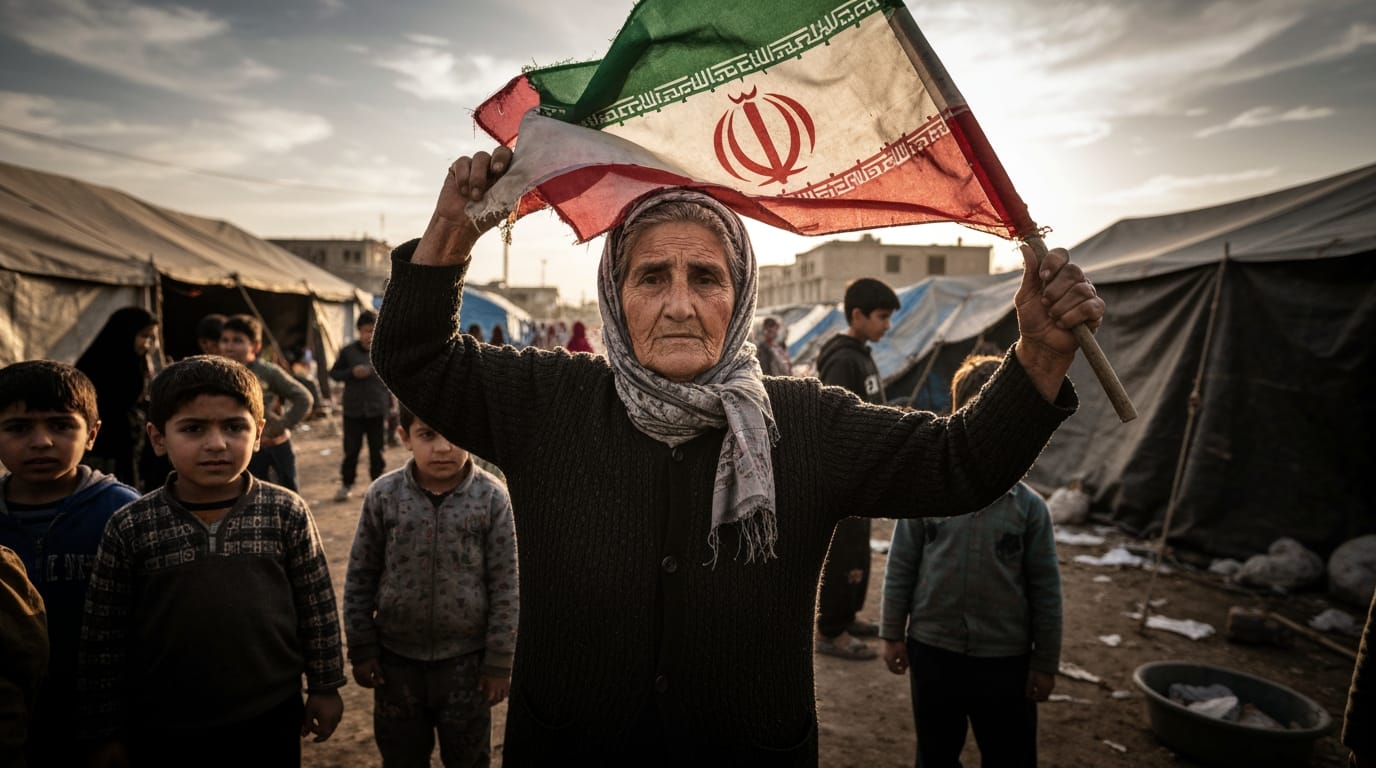
As geopolitical complexities in the Middle East escalate, marked by recent military confrontations and severe economic pressures, Iran appears to be intensifying its strategic use of "citizenship as a weapon," particularly targeting its diaspora and dual nationals. This tactic, which involves leveraging the legal status of individuals for political and financial gains, has seen a significant resurgence as Tehran grapples with internal dissent and external adversaries. The deliberate detention of dual citizens and the proposed revocation of citizenship and seizure of assets belonging to Iranians abroad underscore a troubling trend with profound human rights implications and far-reaching effects on international relations.
The concept of "citizenship as a weapon" involves a state manipulating the legal bond between an individual and their country to achieve strategic objectives, often at the expense of human rights and international norms. Iran's long-standing policy of not recognizing dual nationality makes individuals with ties to other countries especially vulnerable. Even if a person was born in another country, Iran considers them solely an Iranian citizen, denying consular access from their other country of citizenship if they are detained. This lack of recognition forms the legal bedrock for many of the actions Iran undertakes against its dual national citizens.
Historically, Iran has frequently arrested dual nationals and foreign citizens, particularly those with Western ties, on charges ranging from espionage to threatening national security. These detentions are often perceived by rights groups and Western governments as politically motivated, lacking transparency and due process. Human Rights Watch, for instance, documented at least 14 cases of dual or foreign nationals arrested by Iran's Islamic Revolutionary Guard Corps' (IRGC) Intelligence Organization since 2014, with many charged with cooperating with a "hostile state" without clear evidence. These individuals, often academics, journalists, or aid workers, become pawns in a larger geopolitical game.
The pattern of detaining dual nationals has evolved into a tactic often described as "hostage diplomacy" or the use of "bargaining chips." Iranian authorities have consistently leveraged these detentions to extract economic concessions, secure political advantages, or facilitate prisoner swaps with Western nations. A notable instance occurred in 2016 when Iran swapped four Iranian-Americans for seven Iranian prisoners in the U.S. A report at the time also revealed a secret airlift of $400 million in cash to Iran coinciding with the release of the four Iranian-Americans. More recently, the case of Nazanin Zaghari-Ratcliffe, a British-Iranian dual citizen imprisoned for years, was widely believed to be linked to a historic debt owed by the UK to Iran. Similarly, the recent release of two French nationals, Cecile Kohler and Jacques Paris, convicted on espionage charges, also occurred amidst complex negotiations, highlighting the ongoing nature of this strategy. These incidents demonstrate a calculated approach by Tehran to use individuals as assets in its foreign policy dealings.
The strategy has taken a sharper turn amid what is described as "Iran war," encompassing heightened military conflicts and escalating regional instability. Recent reports indicate that Iran's parliament is actively considering legislation that would allow the state to revoke the citizenship and confiscate the assets of its citizens residing abroad. This proposed law targets individuals accused of "cooperation with hostile countries," a broadly defined term that could encompass a wide array of activities, including communication with foreign media. Such a move represents a significant escalation, extending the state's reach beyond its borders to punish perceived dissidents or "enemy collaborators" within the diaspora. This development unfolds against a backdrop of mass protests in Iran, a severe economic crisis, and the rising costs associated with ongoing conflicts.
The implications of such legislation are severe, potentially rendering thousands stateless and stripping them of their legal identity, property rights, and access to essential services. As one expert noted, a citizenship revocation can create a "ghost" of an individual, with no passport, no legal standing, and no right to property, healthcare, or education in the country of their birth. This punitive approach not only aims to stifle dissent among the Iranian diaspora but also serves as a potent tool of pressure during a period of intense geopolitical strain. The targeting of financial and legal identities of those labeled as "enemy collaborators" reflects a desperate measure by a regime facing considerable internal and external challenges.
Globally, the weaponization of citizenship is not unique to Iran, with historical and contemporary examples seen in various contexts, such as Russia's "passportization" policies in disputed territories or the disenfranchisement of the Rohingya in Myanmar. However, Iran's explicit use of citizenship as a direct bargaining chip and its latest move to legally sanction the revocation of citizenship for its diaspora mark a particularly aggressive manifestation of this tactic. The international community, while often condemning such actions, faces significant challenges in providing recourse for affected individuals due to states' sovereign rights over citizenship matters. Efforts by foreign governments to intervene are often hampered by Iran's refusal to recognize dual nationality, thus denying consular access to detained individuals. Calls for an international coalition against states that arbitrarily detain dual nationals highlight the growing concern over these practices.
The expanding scope of Iran's "citizenship as a weapon" strategy poses a significant challenge to international human rights principles and the stability of global relations. As Iran navigates a complex period of regional conflict and internal pressure, the use of its citizens, both at home and abroad, as tools of statecraft, highlights a concerning trend where individual legal status becomes a casualty of geopolitical maneuverings. The potential for widespread statelessness and the erosion of fundamental rights underscore the urgent need for a robust international response to safeguard the rights of individuals caught in the crossfire of state interests.


