Iran Observes Islamic Revolution Anniversary Amidst Deepening Internal and External Pressures
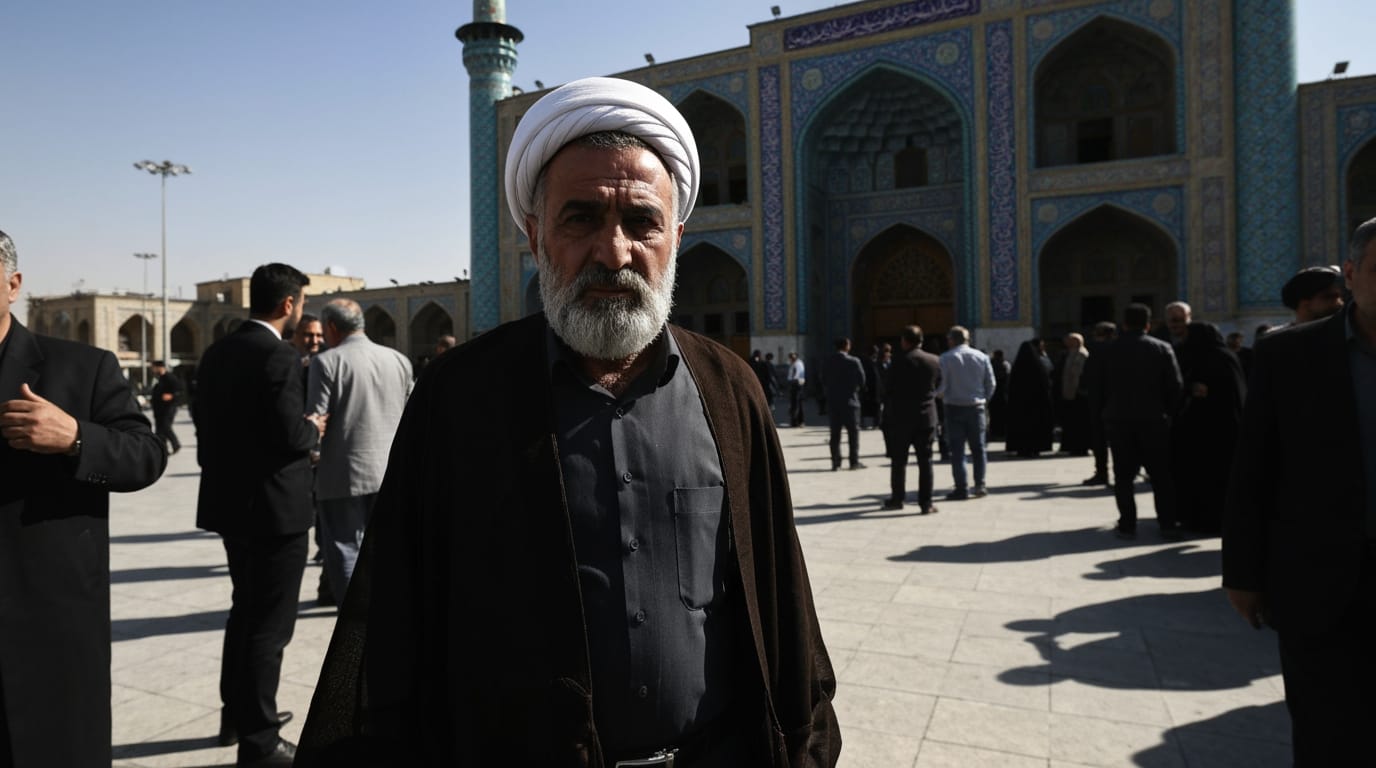
TEHRAN – Iran on Wednesday, February 11, 2026, marked the 47th anniversary of its 1979 Islamic Revolution, with state-sponsored celebrations unfolding across the nation. This annual display of revolutionary zeal occurred against a backdrop of intensifying domestic dissent, a struggling economy exacerbated by international sanctions, and heightened regional and global geopolitical tensions. The dual narratives of official unity and public discontent underscored the complex challenges facing the Islamic Republic as it navigates a critical juncture in its history.
A Nation Marches: Celebrating Revolutionary Ideals
Across Iran, thousands participated in state-organized rallies commemorating the overthrow of the Pahlavi dynasty on February 11, 1979. State television broadcast images of large crowds marching in cities nationwide, waving national flags and portraits of Supreme Leader Ayatollah Ali Khamenei and Islamic Republic founder Ayatollah Ruhollah Khomeini. Traditional chants of "Death to America!" and "Death to Israel!" echoed through the gatherings, reflecting the long-standing anti-Western and anti-Israeli stance of the government. In Tehran, processions culminated at Azadi Square, where military hardware, including Qassem Soleimani and Sejjil ballistic missiles, the Simorgh satellite carrier, and various drones, were showcased. The presence of such advanced military technology served as a clear message of national strength and self-reliance amidst international pressure. During the event, a paratrooper dramatically descended with a Palestinian flag, symbolizing Iran's unwavering support for the Palestinian cause. President Masoud Pezeshkian addressed the crowds at Azadi Square, calling on the United Nations to expel what he termed "the Zionist regime" and demanding an immediate halt to the bombing of Gaza. These official celebrations were not confined to Iran's borders; ceremonies marking the revolution's anniversary were also held in various world capitals, including Madrid, Bangkok, Prague, Budapest, Armenia, and Kazakhstan, highlighting Iran's efforts to project its influence internationally.
Undercurrents of Dissent and Intensified Repression
Despite the official show of solidarity, signs of deep internal divisions and public discontent emerged. On the eve of the anniversary, witnesses in Tehran reported shouts of "Death to the dictator!" from people's homes as government-sponsored fireworks lit the night sky, a stark counterpoint to the choreographed festivities. These spontaneous acts of defiance resonated with the widespread protests of 2022-2023, which saw a bloody crackdown by security forces, including the paramilitary Revolutionary Guard, resulting in thousands killed and tens of thousands detained. Human rights organizations have documented a concerning trend of unchecked repression, reporting that Iranian authorities arrested dozens of activists, lawyers, and students throughout 2024. The number of executions in Iran continued to rise, with over 400 people executed in the first half of 2024, reaching a total of 798 by December of that year. The government also intensified its enforcement of mandatory hijab laws, implementing new penalties and a "Noor plan" for policing women who defy these regulations. This move sparked considerable domestic frustration, compounding existing anger over rising executions and planned increases in petrol prices. President Pezeshkian himself acknowledged the contentious nature of the hijab bill, describing it as an "unjust law" that would create discontent, though his constitutional powers to block such legislation are limited. This ongoing internal struggle between the ruling establishment and a restive populace underscores the fragile social contract within the country.
A Stagnant Economy Under Sanctions' Weight
The celebratory facade could not fully mask Iran's severe economic challenges. The nation's economy continues to grapple with persistent high inflation, estimated to be above 40% through 2023 and projected at 42.4% for 2025, remaining above 40% in 2026. This has made basic goods prohibitively expensive for many households. The Iranian rial has suffered a dramatic devaluation, losing nearly 800% of its value since 2020, severely eroding purchasing power and contributing to widespread fear among ordinary Iranians about continuously rising prices. International sanctions, primarily imposed by the United States and targeting Iran's nuclear program, missile development, and alleged support for terrorism, remain a significant impediment to economic recovery. Sanctions on Iran's crucial oil and petrochemical sectors have effectively disrupted revenue streams, leading to financial and budgetary crises. The European Union also maintains sanctions, specifically on goods that could contribute to nuclear or missile programs. Furthermore, Iran has been placed on the Financial Action Task Force (FATF) blacklist for its failure to implement laws against terrorist financing, further isolating it from the global financial system. Economists suggest that while sanctions play a role, chronic mismanagement and a government strategy that prioritizes ideological agendas over economic progress are deeper, systemic issues hindering sustainable development. The government faces persistent budget deficits, estimated at 4.1% of GDP in 2024 and projected to widen to 6% in 2025. Youth unemployment remains a critical challenge, consistently hovering between 20% and 23%.
Navigating a Complex Geopolitical Landscape
Iran's 47th anniversary occurred amidst an intensely volatile regional and international environment. Tensions in the wider Middle East, exacerbated by the Israel-Hamas war, were palpable. U.S. President Donald Trump's suggestion of potentially sending another aircraft carrier group to the Middle East underscored the ongoing friction with Washington. The status of Iran's nuclear program remains a central international concern. The country has continued to advance its nuclear capabilities, enriching uranium to 60%, a level close to weapons-grade. Reports indicate Iran can produce enough weapons-grade uranium for five to six bombs in less than two weeks. Iran has consistently violated terms of the 2015 nuclear deal (JCPOA) since 2019, increasing enrichment activities and expanding its capabilities. By May 2025, the International Atomic Energy Agency (IAEA) reported Iran's stockpile of 60% enriched uranium had grown to over 408 kilograms, an amount that could be further enriched for multiple nuclear weapons. Despite these advancements, the U.S. intelligence community assesses that Iran is not currently building a nuclear weapon but that its activities "better position it to produce" one if it chooses.
In its foreign policy, Iran has increasingly pivoted towards strengthening ties with Eastern powers, particularly Russia and China, seeking to offset Western estrangement and economic pressures. However, Iran has also faced significant regional setbacks in 2024 and early 2025. The weakening of its proxy, Hezbollah, and the loss of its long-term ally Bashar al-Assad in Syria have severely impacted Iran's "Axis of Resistance" and its strategy for regional deterrence. These geopolitical shifts have fueled internal debates within Iran regarding whether to pursue negotiations for sanctions relief or to continue a policy of resistance. There are concerns that further nuclear enrichment could provoke a direct or indirect attack from Israel, risking a wider regional conflict.
Conclusion: A Nation at a Crossroads
As Iran marked the 47th anniversary of its Islamic Revolution, the event served as a potent symbol of both enduring ideological commitment and profound national challenges. The official celebrations projected an image of unity and defiance against external adversaries, reinforcing the revolutionary principles that have guided the nation for nearly five decades. Yet, beneath this outward display, the echoes of domestic dissent, the persistent strain of a sanctions-battered economy, and the complexities of an unpredictable geopolitical environment painted a picture of a nation under immense pressure. The coming years will likely test Iran's leadership as it strives to balance its revolutionary ideals with the pragmatic demands of its citizens and the volatile realities of the global stage.


