UK Parliament Rocked by New China Spy Allegations as Lawmaker's Partner Arrested
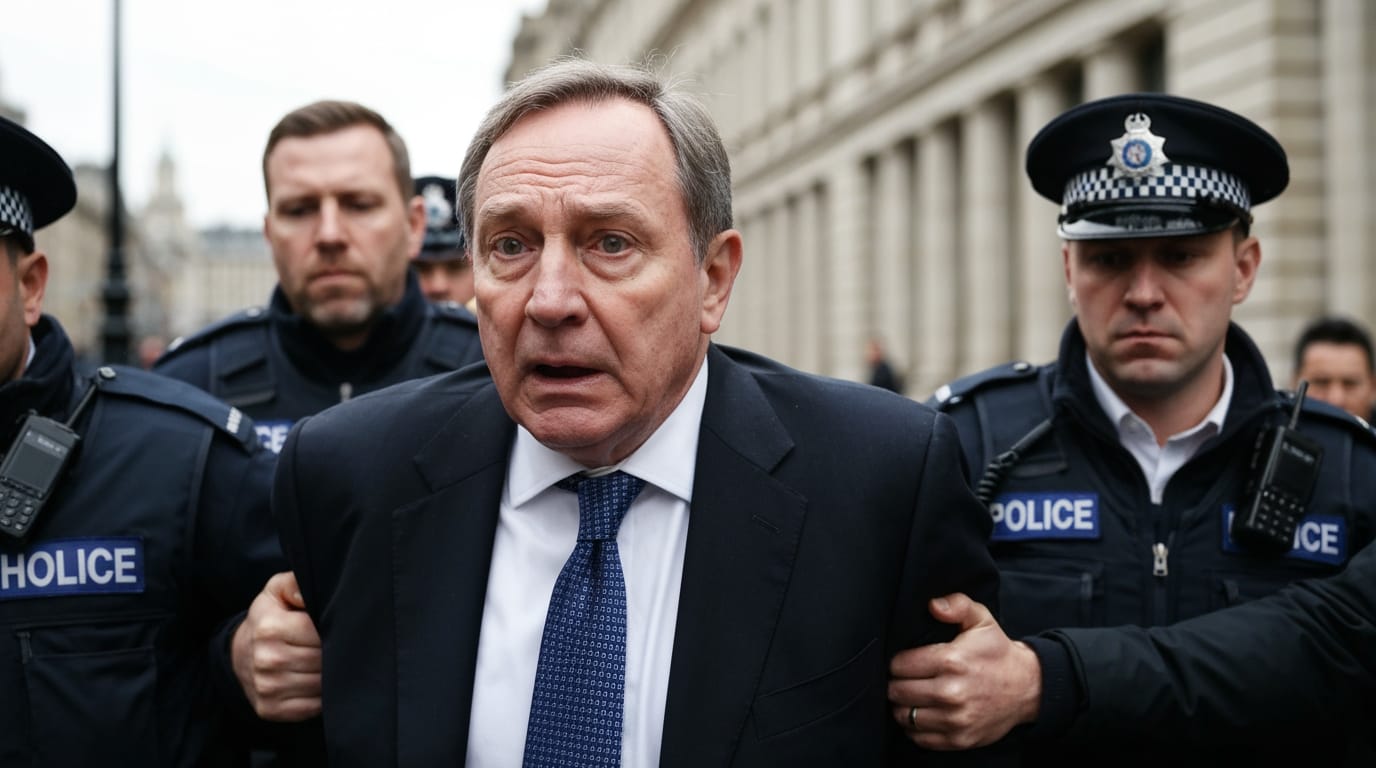
London, UK – In a development sending shockwaves through Westminster, counter-terrorism police on Wednesday arrested three men, including the husband of a sitting Labour Member of Parliament, on suspicion of assisting a foreign intelligence service connected to China. The arrests, made under the recently enacted National Security Act of 2023, underscore escalating concerns within the United Kingdom government regarding foreign interference and espionage targeting its democratic institutions.
Three Men Detained in Coordinated Raids
Metropolitan Police confirmed the arrests of a 39-year-old man in London, a 68-year-old man in Powys, Wales, and a 43-year-old man in Pontyclun, Wales. While police did not immediately name the suspects, Joani Reid, the Labour MP for East Kilbride and Strathaven, later issued a statement confirming that her husband, David Taylor, 39, was among those detained. All three men remain in custody, with searches conducted at the arrest locations and additional addresses in London, East Kilbride, and Cardiff.
MP Reid vehemently denied any knowledge of wrongdoing by her husband, stating, "I have never seen anything to make me suspect my husband has broken any law." She further clarified that she is not involved in her husband's business activities, nor are she or her children part of the ongoing investigation. Reid emphasized her own disengagement from China-related matters in Parliament, noting, "I have never spoken on China or China-related matters in the Commons. I have never asked a question on China-related matters." This assertion comes amidst speculation about potential access to sensitive information, though the Speaker of the House of Commons has confirmed that David Taylor did not possess a parliamentary pass, limiting his direct access to the parliamentary estate.
Security Minister Warns of Broad Threat
The arrests prompted an immediate response from Security Minister Dan Jarvis, who addressed Members of Parliament, confirming that the incidents were linked to China and involved allegations of foreign interference targeting UK democracy. Jarvis stressed the gravity of the situation, stating, "If there is proven evidence of attempts by China to interfere with UK sovereign affairs, we will impose severe consequences and hold all actors involved to account." He underscored a worrying trend of "covert activity from Chinese state-linked actors targeting UK democracy," and cautioned that foreign powers increasingly target not only politicians but also those in their close circles and the broader "political ecosystem."
Police described the arrests as part of a "proactive investigation," reassuring the public that there was no "imminent or direct threat" related to the unfolding situation. However, the use of the National Security Act 2023, which came into full effect recently, highlights the enhanced legal framework the UK now employs to counter state threats. This legislation was designed to broaden the scope of activities considered espionage and provide law enforcement with more effective tools to address such complex challenges.
A Pattern of Escalating Concerns
These recent arrests are not isolated incidents but rather emerge against a backdrop of increasing vigilance and repeated warnings from British intelligence services regarding Chinese state-linked activities. In November, Britain's domestic intelligence agency, MI5, issued an alert to lawmakers, detailing "targeted and widespread" efforts by Chinese agents to recruit and cultivate individuals with access to sensitive parliamentary and governmental information, often through platforms like LinkedIn or via front companies.
The issue of foreign interference has gained significant traction in the UK, particularly following a high-profile case involving former parliamentary researcher Christopher Cash and his associate Christopher Berry. In April 2024, both men were charged under the Official Secrets Act 1911 with providing information "useful to an enemy" – specifically China – between late 2021 and early 2023. Cash, who worked for the China Research Group, an organization established by Conservative MPs, had links to senior lawmakers focusing on security and foreign affairs. However, the Crown Prosecution Service (CPS) controversially dropped these charges in September 2025, just a month before their trial was due to begin. The CPS cited that the "evidential standard" for the offence was no longer met, a decision Prime Minister Keir Starmer's office described as "extremely disappointing." This collapse sparked a political row and raised questions about the strength of evidence in such cases.
Adding to the complexity of the foreign interference landscape, the UK has also seen cases related to Hong Kong intelligence services. In May 2024, former Royal Marine Matthew Trickett and two others were charged under the National Security Act for assisting Hong Kong intelligence, allegedly engaging in surveillance of pro-democracy activists. Trickett's subsequent "unexplained" death while on bail further underscored the opaque and sensitive nature of these investigations.
Diplomatic Tensions and Beijing's Denials
The UK government has made diplomatic representations to China following the latest arrests, conveying the seriousness of its concerns. Historically, China has consistently and strenuously denied all allegations of espionage and foreign interference in the UK, often dismissing them as "fabricated," "malicious slander," and "unwarranted political manipulation." These contrasting positions highlight the deep and growing chasm between London and Beijing on matters of national security and international conduct.
The new arrests come at a sensitive time for Anglo-Chinese relations, which have been strained by various issues, including human rights concerns, trade disputes, and geopolitical tensions. For the Labour Party, the involvement of a sitting MP's partner could pose a political challenge, particularly given recent efforts by Prime Minister Starmer to recalibrate the UK's relationship with China, including a visit to Beijing earlier this year.
As the investigation progresses, the focus will remain on the specific details that led to these arrests and the potential implications for individuals, parliamentary integrity, and the broader framework of UK national security. The arrests serve as a stark reminder of the persistent and evolving threats posed by foreign state actors and the vigilance required to safeguard democratic processes.


