Greek Court Affirms Golden Dawn as Criminal Organization in Landmark Ruling
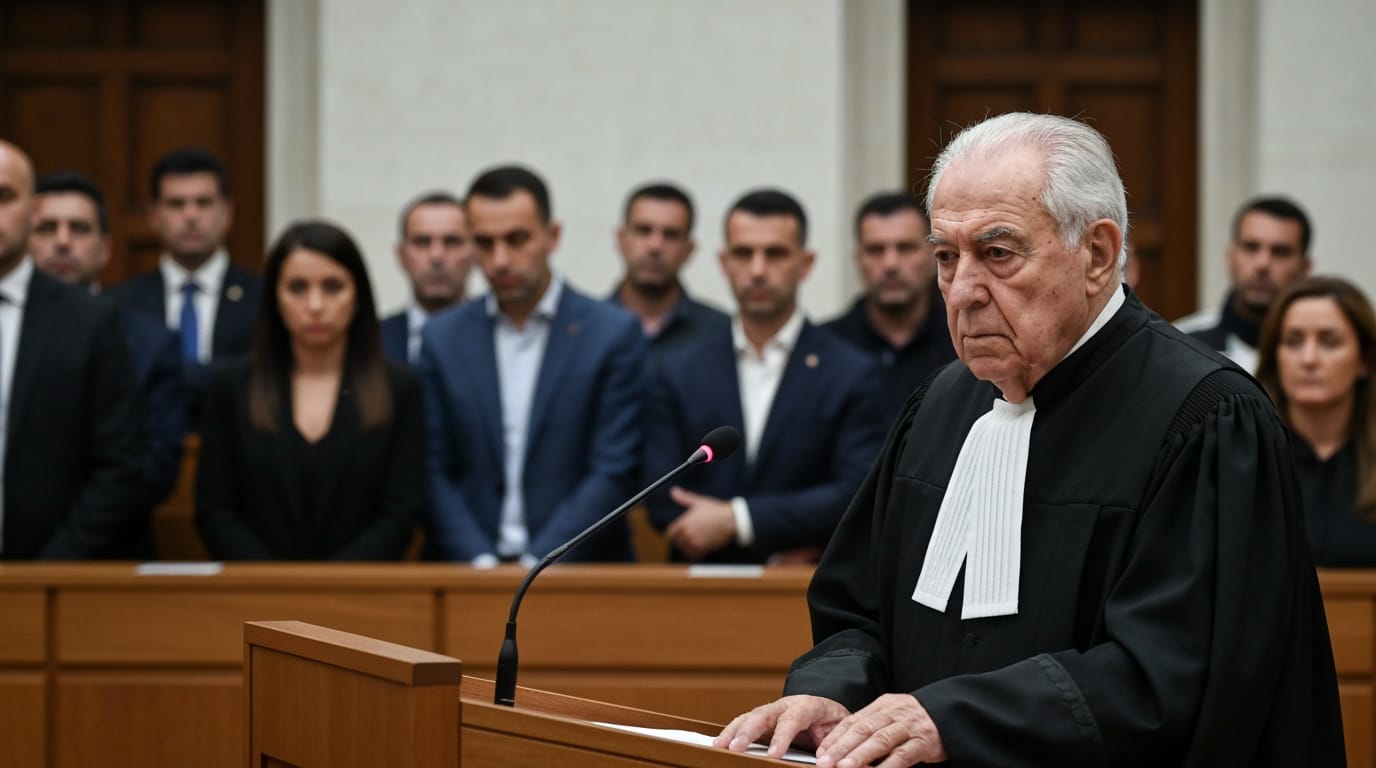
Athens, Greece – A Greek appeals court on Wednesday, March 4, 2026, definitively upheld the convictions of the leadership and members of the far-right, neo-Nazi Golden Dawn party, formally cementing its classification as a criminal organization. This landmark decision concludes a protracted legal battle, reaffirming a 2020 lower court ruling that the once-parliamentary force operated as a criminal syndicate under the guise of political activity. The verdict is a significant blow against political extremism in Greece and sends a clear message across Europe regarding the accountability of groups promoting hate and violence.
Upholding Justice: The Appeals Court's Stance
The Appeals Court in Athens found all 42 defendants guilty, mirroring the judgment of the initial trial. Among those whose convictions were upheld are seven former leaders of Golden Dawn, including its founder and long-time leader, Nikolaos Michaloliakos, who were found guilty of "directing a criminal organization." Additionally, 35 other individuals, including 11 former Members of Parliament (MPs), had their convictions for membership in the criminal organization reaffirmed. The court's decision also sustained the murder conviction of Giorgos Roupakias for the 2013 killing of anti-fascist rapper Pavlos Fyssas, with 14 to 15 others convicted as accomplices. Further convictions for attempted murder, stemming from a 2012 attack on Egyptian fishermen in Keratsini, were also upheld.
This ruling comes five and a half years after the initial lower court decision and more than a decade after the murder of Pavlos Fyssas, which proved to be a pivotal moment in the party's downfall. While the precise sentences are yet to be announced by the presiding judge, many defendants face potential prison terms of up to 15 years, consistent with the lengthy sentences issued in 2020. Several senior figures, including former European Parliament member Ioannis Lagos and former party spokesman Ilias Kasidiaris, who remain incarcerated, were present in the courtroom for the verdict. Michaloliakos himself, who had been granted conditional release from prison last year on health grounds, still sees his conviction for directing a criminal organization affirmed.
The Rise of a Neo-Nazi Force
Golden Dawn, formally known as Chryssi Avghi, was founded in the 1980s and formally registered as a political party in 1993. For decades, it remained a fringe group, characterized by its neo-Nazi ideology, ultranationalist rhetoric, and often violent street activities. However, the severe sovereign debt crisis that gripped Greece in the 2010s provided fertile ground for the party's unexpected rise. Capitalizing on widespread public anger, economic hardship, and anti-immigrant sentiment, Golden Dawn strategically blended anti-establishment rhetoric with extreme xenophobic and nationalist stances.
This political strategy propelled Golden Dawn from obscurity to national prominence. In the 2012 general elections, it secured nearly 7 percent of the vote, making it the third-largest party in the Greek parliament and gaining 18 seats. Its members, including elected MPs, frequently engaged in provocative behavior, both inside and outside parliament, openly espousing racist, antisemitic, and anti-democratic views. The party's modus operandi frequently involved organizing "assault squads" that targeted migrants, political opponents, and other minorities, often operating with a disturbing degree of impunity during its peak.
A Turning Point: The Fyssas Murder and Subsequent Trial
The tide began to turn dramatically against Golden Dawn following the brutal murder of anti-fascist rapper Pavlos Fyssas in September 2013. Fyssas was stabbed to death in a suburb near the port of Piraeus by Golden Dawn member Giorgos Roupakias, an act that shocked the nation and galvanized public and political will for accountability. This murder triggered a sweeping crackdown on the party, leading to the arrest of its leader, Nikolaos Michaloliakos, and several other prominent members on charges of forming and directing a criminal organization.
The subsequent trial, which commenced in April 2015, became one of the most significant legal proceedings in Greece's modern history. Over five years, the court meticulously examined evidence, including testimonies from victims and former Golden Dawn members, as well as incriminating videos and documents. Prosecutors successfully argued that Golden Dawn was not a legitimate political party but rather a "party facade" for a "Nazi-style" criminal organization whose ideology fueled its violent acts. The initial verdict in October 2020 found Michaloliakos and other leaders guilty of directing a criminal organization, with many others convicted for membership and specific violent crimes.
Implications for Democracy and the Fight Against Extremism
The appeals court's definitive ruling marks a historic milestone for the Greek justice system and the rule of law. It concludes a traumatic chapter in Greece's parliamentary life, which saw a self-proclaimed neo-Nazi entity rise to significant political power. The decision has been widely welcomed by anti-fascist activists, human rights organizations, and political leaders, who view it as a vindication for the victims and a triumph for solidarity against hate and violence.
Prime Minister Kyriakos Mitsotakis, following the 2020 verdict, highlighted its importance, stating, "This verdict marks the end of a traumatic period in Greece's history." The reaffirmation by the appeals court strengthens this sentiment, demonstrating that democratic institutions can effectively confront and dismantle groups that use political pretense to commit crimes. The case sets a powerful precedent, emphasizing that organizations that promote violence and hate, regardless of their political veneer, will be held accountable under the law. It serves as a stark reminder of the vigilance required to safeguard democratic values against the corrosive influence of extremism.


