Iran Signals Openness to Nuclear Talks with US Amid Escalating Tensions
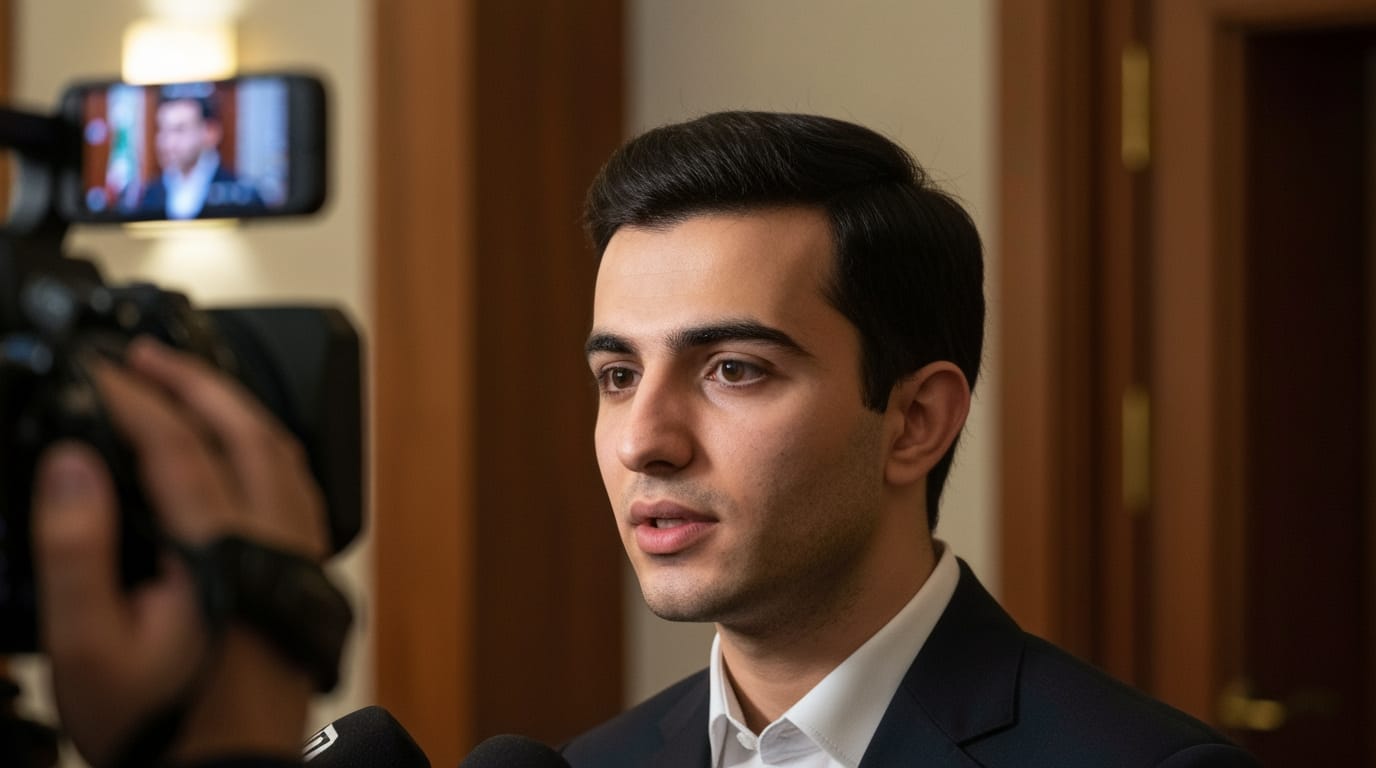
Tehran, Iran – In a significant diplomatic shift, Iran has signaled its readiness to re-engage in nuclear negotiations with the United States, a development that emerges amidst heightened regional tensions and the looming threat of military confrontation. Iranian officials, including President Masoud Pezeshkian and Foreign Minister Abbas Araghchi, have publicly expressed a willingness to resume dialogue, emphasizing that any discussions would proceed strictly in line with Iran's national interests. This overture follows a period of intense diplomatic activity and comes as both sides navigate a precarious geopolitical landscape marked by US preconditions and Iran's resolute "red lines."
The potential resumption of talks underscores a complex interplay of pressure and pragmatism, with Iran seemingly motivated by a desire to avert a potential US military strike and mitigate internal unrest. Washington, under President Donald Trump, has laid out stringent demands for any new agreement, setting the stage for what is anticipated to be challenging and delicate negotiations.
Diplomatic Overtures and Urgent Motivations
The recent signals from Tehran represent a notable shift in rhetoric, with President Masoud Pezeshkian formally authorizing the initiation of nuclear negotiations with the United States on Tuesday. In a statement, Pezeshkian indicated this decision was influenced by appeals from friendly regional nations urging Iran to respond to President Trump's proposal for talks. Iranian Foreign Minister Abbas Araghchi had previously stated on January 30 in Istanbul that Tehran was prepared to re-enter negotiations on a "fair and equitable" basis. This diplomatic push is not occurring in a vacuum; it is largely seen as an Iranian effort to delay or prevent a potential US military action. Reports suggest the Iranian regime also harbors concerns that a US strike could exacerbate existing internal unrest within the country.
Regional intermediaries, including Turkey, Egypt, Oman, and Iraq, have played a crucial role in facilitating these back-channel communications, relaying messages between Washington and Tehran in an effort to de-escalate the volatile situation. Turkish President Recep Tayyip Erdogan, for instance, has offered Turkey's services as a "facilitator" in these critical discussions. The urgency is palpable, with Washington having recently deployed an aircraft carrier strike group to the Middle East, intensifying pressure on Tehran following a surge in anti-government protests in Iran. President Trump has openly warned of severe consequences should negotiations falter, a sentiment echoed by Iran's own threats of a regional conflict if faced with aggression.
Sticking Points and Red Lines
Despite the expressed willingness to engage, significant hurdles remain, primarily concerning the scope and preconditions for a new agreement. The United States has articulated clear demands, insisting that Iran permanently cease uranium enrichment, curtail its ballistic missile program, and end all support for regional proxy groups, collectively known as the "Axis of Resistance." These preconditions aim to address what Washington views as critical shortcomings of previous nuclear agreements.
However, Iran has drawn firm "red lines" of its own. Iranian officials have consistently maintained that the country's ballistic missile program and its regional defense strategies are non-negotiable. Foreign Minister Araghchi explicitly stated that Iran's military posture would not be subject to discussion. While a reduction in uranium enrichment could be considered, Tehran is unlikely to accept a complete halt to enrichment activities. One potential area for compromise, according to analysts, might involve Iran suspending further enrichment without explicitly renouncing what it asserts is its right to enrich uranium under the Non-Proliferation Treaty. The Trump administration is specifically demanding Iran remove or transfer 400 kilograms (over 900 pounds) of uranium enriched to 60% purity.
The disparity in negotiating positions—Iran's desire for a narrow focus solely on nuclear issues versus Washington's push for a comprehensive agreement that includes missile capabilities and regional influence—will likely define the forthcoming talks.
A History of Complex Nuclear Diplomacy
The current diplomatic tightrope walk is deeply rooted in the tumultuous history of Iran's nuclear program and its interactions with global powers. Iran's pursuit of nuclear technology dates back to the 1970s, initially with US assistance under the "Atoms for Peace" program. Iran ratified the Nuclear Non-Proliferation Treaty (NPT) in 1970, affirming its right to peaceful nuclear energy while committing to non-proliferation. However, its program stalled after the 1979 revolution before being reinstated with international assistance in the late 1980s.
A landmark agreement, the Joint Comprehensive Plan of Action (JCPOA), was forged in 2015 between Iran and the P5+1 nations (China, France, Germany, Russia, the United Kingdom, and the United States), plus the European Union. This accord imposed significant limitations on Iran's nuclear activities in exchange for the lifting of international sanctions. However, the US withdrew from the JCPOA in 2018 under President Trump, who argued that the deal was insufficient, failing to address Iran's ballistic missile program or its support for regional proxies. Following the US withdrawal and the re-imposition of sanctions, Iran gradually began to renege on its commitments under the JCPOA, increasing uranium enrichment levels and stockpiles beyond the agreed limits.
The breakdown of the JCPOA ushered in a period of heightened confrontation, culminating in US strikes on Iranian military sites last June, and an Israeli attack on Iranian military and nuclear facilities in June 2025 following a previous breakdown in nuclear negotiations. These past events underscore the fragility of any diplomatic progress and the high stakes involved in the current discussions.
The Path Forward: Hope and Uncertainty
Optimism regarding a potential breakthrough remains cautious. Reports indicate that a meeting between Iranian Foreign Affairs Minister Abbas Araghchi and US Special Envoy to the Middle East Steve Witkoff is anticipated to take place in Turkey on February 6. This reported meeting, if confirmed, would represent a critical step toward establishing a direct channel for dialogue, a necessity for any meaningful progress.
However, the path to a comprehensive agreement is fraught with challenges. Foreign Minister Araghchi acknowledged Tehran's "lost trust" in the US as a negotiating partner, reflecting the deep-seated mistrust that has characterized their relationship. While Iran seeks sanctions relief as a primary outcome, the United States is intent on broader concessions. The delicate balance between these opposing demands, coupled with the ever-present threat of military escalation, ensures that the forthcoming negotiations will be among the most watched diplomatic endeavors in recent memory. The outcome will not only determine the trajectory of Iran's nuclear program but also profoundly shape the future stability of the wider Middle East.


