High-Stakes Diplomacy: Trump Hosts Colombia's Petro Amidst Regional Tensions
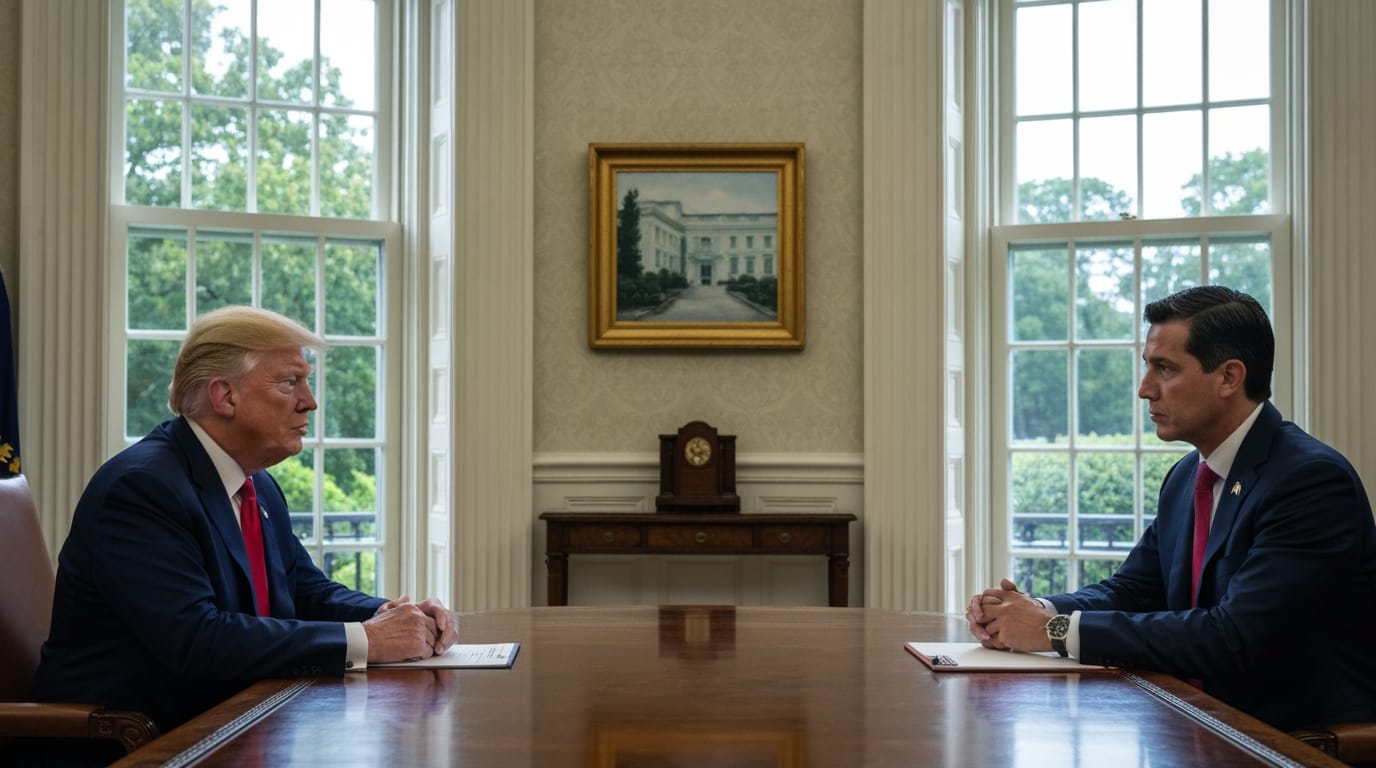
Washington D.C. – In a dramatic shift from months of fiery rhetoric and escalating tensions, U.S. President Donald Trump is hosting Colombian President Gustavo Petro at the White House today, February 3, 2026, for a pivotal meeting expected to redefine the fraught relationship between their two nations. This high-stakes encounter, taking place in the Oval Office, comes on the heels of a surprising diplomatic thaw and significant geopolitical upheaval in the region, particularly following a recent U.S. military operation in Venezuela.
The meeting marks a critical juncture for U.S.-Colombian relations, which have been characterized by mutual public condemnation, insults, and even threats of military action over the past year. Analysts suggest the unpredictable personalities of both leaders will shape an agenda heavy with pressing issues, including drug trafficking, migration, and regional stability.
A Tumultuous Road to the White House
The path to this White House meeting has been anything but smooth. For over a year, President Trump and President Petro have engaged in a public war of words that stunned observers. Trump reportedly labeled Petro a "drug lord," accusing him of failing to curb cocaine production, while Petro, in turn, called Trump an "accomplice to genocide" regarding the Gaza Strip conflict. The hostilities escalated to concrete actions, with the U.S. imposing sanctions on Petro, his wife, and interior minister, and revoking Petro's U.S. visa after he publicly urged American soldiers to disobey Trump's orders. Trump also previously threatened Colombia with a "devastating trade war" after Petro initially refused to accept U.S. military flights repatriating undocumented migrants.
This deep animosity made the prospect of a high-level meeting seem improbable just weeks ago. Trump, a real estate tycoon turned politician, and Petro, a former guerrilla who transitioned into mainstream Colombian politics, represent starkly different ideological poles. Their clash of styles and policy approaches has, until recently, overshadowed decades of close U.S.-Colombian cooperation, particularly on counter-narcotics efforts.
The Venezuelan Catalyst and a Diplomatic Turn
A significant turning point arrived in early January 2026, catalyzed by a dramatic U.S. military operation in Venezuela. On January 3, U.S. forces executed "Operation Absolute Resolve," which successfully captured Venezuelan President Nicolás Maduro and his wife, Cilia Flores, in Caracas. They now face trial in the United States on narco-terrorism and drug trafficking charges. This bold move, executed without international or congressional approval, was hailed by U.S. officials as an impressive feat and a reassertion of American deterrence. However, it drew condemnation from Venezuela and some international observers who viewed it as a violation of international law and sovereignty.
In the immediate aftermath of the Venezuela operation, and despite earlier threats of military action against Colombia, a sudden diplomatic thaw began. President Petro initiated a phone call with President Trump in early January, described as "cordial," during which Petro aimed to clarify "the situation of drugs and other disagreements." Trump subsequently characterized the conversation as a "great honor" and extended the invitation for today's White House visit, noting Petro had become "very friendly." For Petro, a key motivation for the visit is reportedly to "stop a world war" and to personally address accusations of his involvement in drug trafficking, which he denies.
A Crowded Agenda: Drugs, Migration, and Regional Power Dynamics
The bilateral discussions today are set to cover a broad and complex agenda. At the forefront is the persistent challenge of drug trafficking. Colombia remains the world's largest producer of cocaine, with the United States being its primary consumer. While both nations agree on the necessity of combating drug trade, their strategies diverge sharply. Petro advocates for demand reduction, confiscation, and promoting alternative economic projects for farmers, moving away from past eradication-focused policies. The Trump administration, however, has historically favored supply-side control and eradication. Finding common ground on this issue, crucial to both countries' national security, will be a central test of the meeting's success.
Beyond narcotics, migration will feature prominently. Petro has previously criticized U.S. immigration policies, particularly the deportation of migrants. With ongoing migratory pressures across the hemisphere, securing Colombia's border with Venezuela in the wake of Maduro's capture, and coordinating regional migration strategies, are critical points of discussion.
The leaders are also expected to discuss bilateral trade and the broader geopolitical landscape, including China's growing influence in Latin America. Given the recent U.S. military intervention in Venezuela, potential joint operations against Colombian rebel groups, often funded by the cocaine trade, could also be on the table.
Uncertain Outcomes for a Fragile Détente
The meeting is being held behind closed doors in the Oval Office, a format that some analysts believe could temper the inclination for public grandstanding from two leaders known for their outspokenness. However, the inherent unpredictability of both Trump and Petro means the outcome remains highly uncertain. Michael Shifter, a Latin American geopolitics expert, noted that the presidents "could be their usual controversial confrontational selves," though a mood of détente currently prevails.
For President Petro, the visit is not only an opportunity to mend relations but also to present Colombia's priorities and seek strengthened anti-drug cooperation, potentially leading to increased U.S. military and intelligence support. He is also under pressure to reassure Trump regarding his government's stance on drug trafficking, as direct accusations have been made without presented evidence.
Looking Ahead: A New Chapter or Continued Volatility?
Today's meeting between President Trump and President Petro could mark a significant turning point in U.S.-Colombian relations. After a period of intense animosity and a dramatic regional intervention, the leaders face the challenge of translating a fragile détente into concrete cooperation on shared challenges. The success of these discussions will not only influence the immediate future of the bilateral partnership but also carry substantial implications for regional stability, the global fight against drug trafficking, and the delicate balance of power in Latin America. The world watches to see if this unexpected diplomatic engagement can forge a new, more constructive chapter, or if the deeply entrenched disagreements and clashing personalities will lead to renewed volatility.


