Iranian Artists Face Intensified Persecution Amidst Uprising
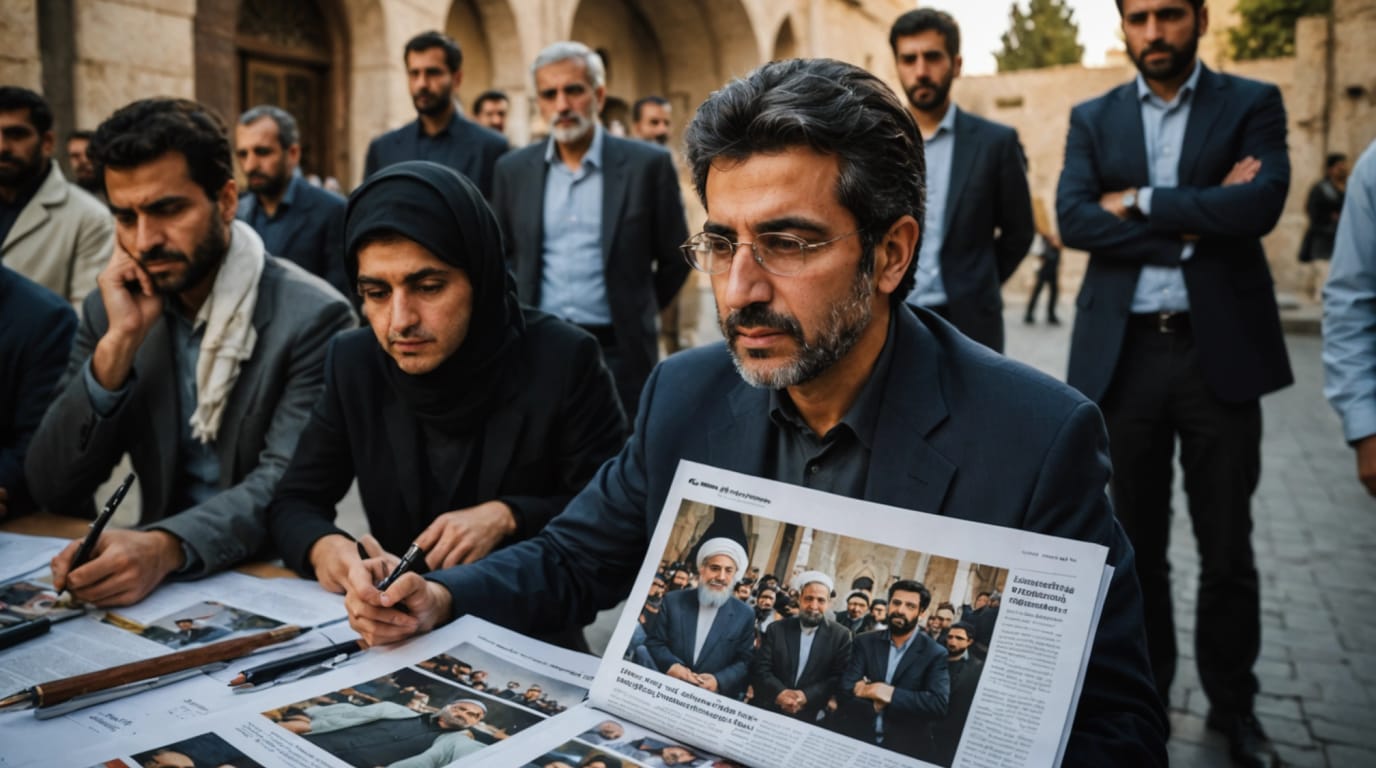
Iranian artists are facing increased persecution from the government due to their perceived role in fueling dissent and supporting anti-government protests. The crackdown has intensified since the death of Mahsa Jina Amini in 2022 and the subsequent "Women, Life, Freedom" uprising, with artists being targeted through arrests, censorship, travel bans, and online surveillance.
The Iranian government views artistic expression as a threat, particularly when it challenges the status quo or amplifies calls for social and political change. Artists who express solidarity with protesters or create works critical of the regime are especially vulnerable. This has led to a chilling effect on the creative community, with many artists self-censoring or fleeing the country to avoid persecution.
Escalating Repression Tactics
Reports from human rights organizations such as the Artistic Freedom Initiative (AFI) and Voices Unbound (VU) detail the escalating tactics used by the Iranian regime to suppress artistic expression. These tactics include:
- Arbitrary Arrests and Imprisonment: Dozens of artists are currently serving prison sentences for their creative work, with some facing the threat of execution. These arrests are often based on vague charges such as "spreading propaganda against the state" or "insulting religious figures."
- Censorship and Work Bans: Artists are routinely censored, with their works banned from public display or performance. Many have been prohibited from working in their respective fields, effectively cutting off their livelihoods.
- Travel Bans: A significant number of artists have been barred from leaving the country, preventing them from participating in international exhibitions, performances, or collaborations. This isolation further restricts their artistic freedom and limits their exposure to the outside world.
- Online Surveillance and Harassment: The Iranian government employs sophisticated online surveillance techniques to monitor artists' activities and communications. This surveillance is often used to intimidate and harass artists, as well as to gather evidence for potential prosecution.
- Celebrity Task Forces: The government has reportedly created "celebrity task forces" to monitor and control the activities of well-known artists and cultural figures. These task forces aim to ensure that artists toe the government line and do not engage in any activities that could be construed as dissent.
Art as a Form of Resistance
Despite the risks, many Iranian artists continue to use their work as a form of resistance. They create paintings, sculptures, music, films, and other works of art that challenge the regime's narrative and amplify the voices of marginalized communities. This artistic resistance plays a crucial role in shaping public opinion and mobilizing support for social and political change.
The "Women, Life, Freedom" movement, sparked by the death of Mahsa Jina Amini, has further emboldened artists to express their dissent. Artists have created powerful works that commemorate Amini's life and call for an end to gender-based discrimination and violence. These works have resonated with audiences both inside and outside Iran, helping to raise awareness of the human rights situation in the country.
International Response and Advocacy
The international community has condemned the Iranian government's persecution of artists, with human rights organizations and advocacy groups calling for greater protection for cultural figures. PEN America's Artists at Risk Connection has urged the UN Fact-Finding Mission on the Islamic Republic of Iran to investigate the targeting of artists and other cultural figures.
AFI and VU have jointly issued a report urging the global community to recognize art as a form of political resistance and to take immediate steps to safeguard artists facing persecution. The report calls for increased international pressure on the Iranian government to respect artistic freedom and to end the crackdown on cultural expression. It also recommends that governments and organizations provide support and protection to Iranian artists who are at risk.
The Plight of Toomaj Salehi
One prominent example of the persecution faced by Iranian artists is the case of Toomaj Salehi, a popular Iranian rapper. Salehi was arrested in October 2022 after releasing songs that criticized the government and supported the protests. He was initially sentenced to six years in prison, but his sentence was later increased to death.
Salehi's case has sparked international outrage, with human rights organizations and artists around the world calling for his release. His plight highlights the extreme risks faced by artists in Iran who dare to challenge the regime.
A Community Under Pressure
The Iranian artistic community is under immense pressure, but its spirit remains unbroken. Despite the threats and challenges, artists continue to create and express themselves, using their work to advocate for a better future for Iran. The international community must stand in solidarity with these artists and provide them with the support and protection they need to continue their vital work.
The ongoing persecution of Iranian artists underscores the importance of defending freedom of expression and protecting cultural rights around the world. Art plays a crucial role in promoting dialogue, understanding, and social change, and it is essential that artists are able to create and express themselves without fear of reprisal.