Iranian Filmmakers Face Trial After Berlinale Success
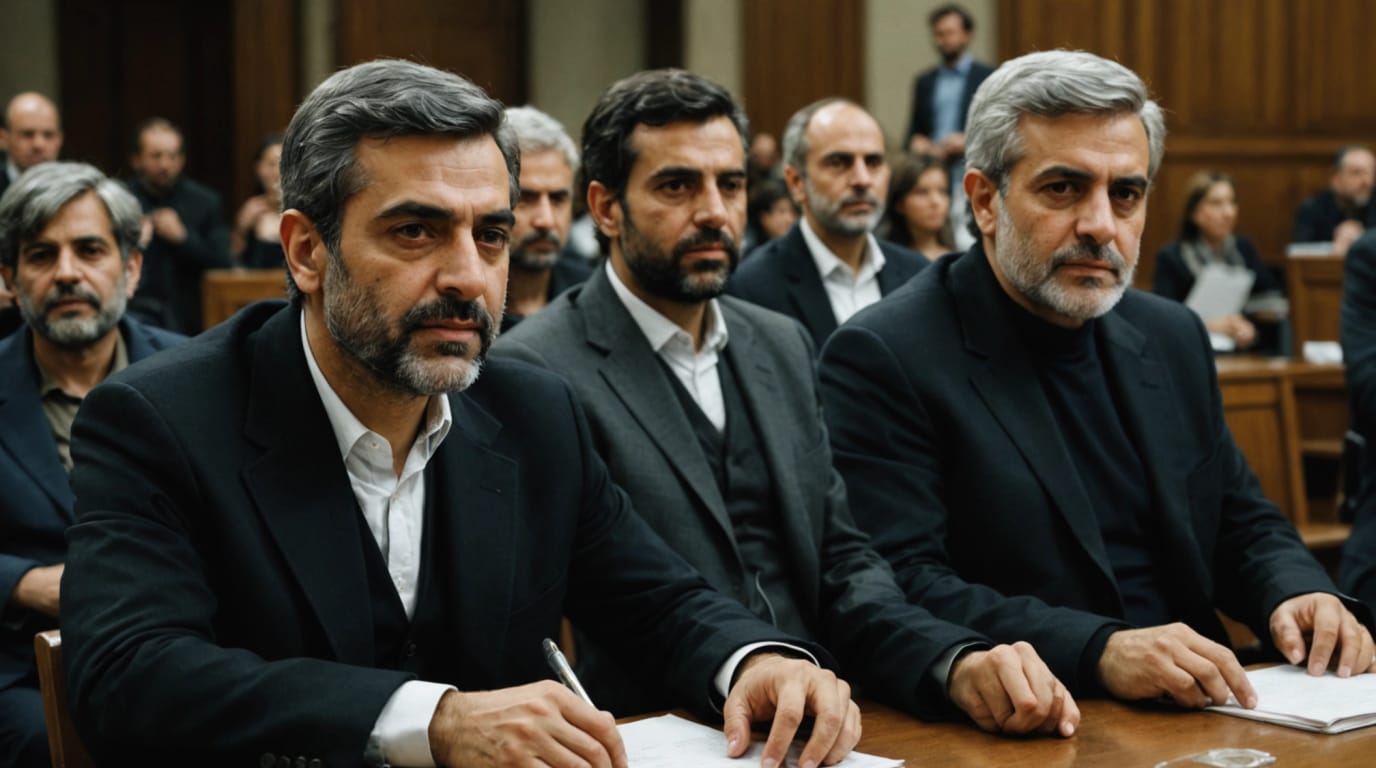
TEHRAN – Iranian filmmakers Maryam Moghaddam and Behtash Sanaeeha, celebrated for their film "My Favourite Cake" which premiered at the Berlin International Film Festival (Berlinale), are facing trial in Iran on charges that include propaganda against the state and offending public morality. The case has drawn international condemnation and sparked a wave of support from the global film community, highlighting the ongoing challenges faced by artists in Iran.
The Charges
Moghaddam and Sanaeeha, along with members of their film's cast and production team, appeared in a Tehran court on Saturday, March 1, 2025. The charges against them, according to the U.S.-based Human Rights Activist News Agency (HRANA), include propaganda against the state, promoting immoral content, and screening the film without a permit. These charges stem from their work on "My Favourite Cake," a film that explores themes of personal freedom, love, and human connection through the story of an elderly woman navigating loneliness in Tehran.
Iranian authorities have taken issue with the film's portrayal of life outside state-imposed social restrictions. Specifically, the film depicts women without mandatory hijabs and includes scenes that hint at relationships outside the conservative norms for unmarried couples. The film also features scenes where characters consume alcohol, an act that is prohibited in Iran.
"My Favourite Cake"
"My Favourite Cake" tells the story of Mahin, a 70-year-old widow living in Tehran, who decides to revitalize her love life. The film delicately portrays Mahin's journey as she seeks companionship and new experiences, challenging social norms and expectations for women her age in Iran. Lily Farhadpour plays the lead role of Mahin.
The film premiered at the 74th Berlin International Film Festival in February 2024 and was well received by critics. However, the filmmakers were barred from traveling to Berlin to present their film due to a travel ban imposed by Iranian authorities. The Berlinale issued a statement expressing solidarity with Moghaddam and Sanaeeha, calling for their freedom of movement and expression.
An "Inquisition"
Following the court hearing, Lily Farhadpour, the lead actress in "My Favourite Cake," shared her experience on her Telegram channel, describing the trial as an "inquisition" rather than a judicial process. She noted the absence of a prosecutor and described the judge as acting primarily as a prosecutor. Farhadpour later deleted the post, stating that she had been instructed to do so, highlighting the pressure and censorship faced by artists in Iran.
International Support
The International Coalition for Filmmakers at Risk (ICFR) has launched a petition calling for the charges against Moghaddam and Sanaeeha to be dropped. The petition has garnered over 3,200 signatures from prominent figures in the film industry, including filmmakers Pedro Almodóvar, Juliette Binoche, and directors of major film festivals such as the Berlinale, Venice Film Festival, and Rotterdam Film Festival.
The Berlinale has also joined the ICFR in urging Iran to drop the charges against the filmmakers. The global film community has expressed strong support for Moghaddam and Sanaeeha, condemning the restrictions on artistic expression and freedom of movement.
A History of Censorship
The case of Moghaddam and Sanaeeha is not an isolated incident. Iranian cinema has a long history of censorship and restrictions. Filmmakers often face challenges in obtaining permits, and their work is subject to scrutiny by authorities. Many Iranian filmmakers have been arrested, imprisoned, and banned from making films.
In 2011, the Berlin Film Festival paid tribute to Iranian director Jafar Panahi, who had been sentenced to six years in prison and banned from filmmaking for 20 years. Panahi's film "Offside" had won the Silver Bear award at the Berlinale in 2006.
More recently, Mohammad Rasoulof, another prominent Iranian filmmaker, fled Iran in 2024 to avoid prosecution related to his film "The Seed of the Sacred Fig." Rasoulof's film, like "My Favourite Cake," explores themes of social and political repression in Iran.
Implications
The trial of Moghaddam and Sanaeeha has significant implications for artistic freedom in Iran. The charges against them send a chilling message to other filmmakers and artists, signaling that any work that challenges state-imposed social restrictions will be met with severe consequences.
The case also highlights the ongoing struggle between artistic expression and political control in Iran. While Iranian cinema has gained international recognition for its creativity and artistry, filmmakers continue to face significant obstacles in their own country.
Conclusion
The fate of Maryam Moghaddam and Behtash Sanaeeha remains uncertain as their trial continues. However, the international support they have received underscores the importance of defending artistic freedom and human rights in Iran. The global film community stands in solidarity with Moghaddam and Sanaeeha, calling for the charges against them to be dropped and for an end to censorship and repression in Iranian cinema.